Ovid
Biography
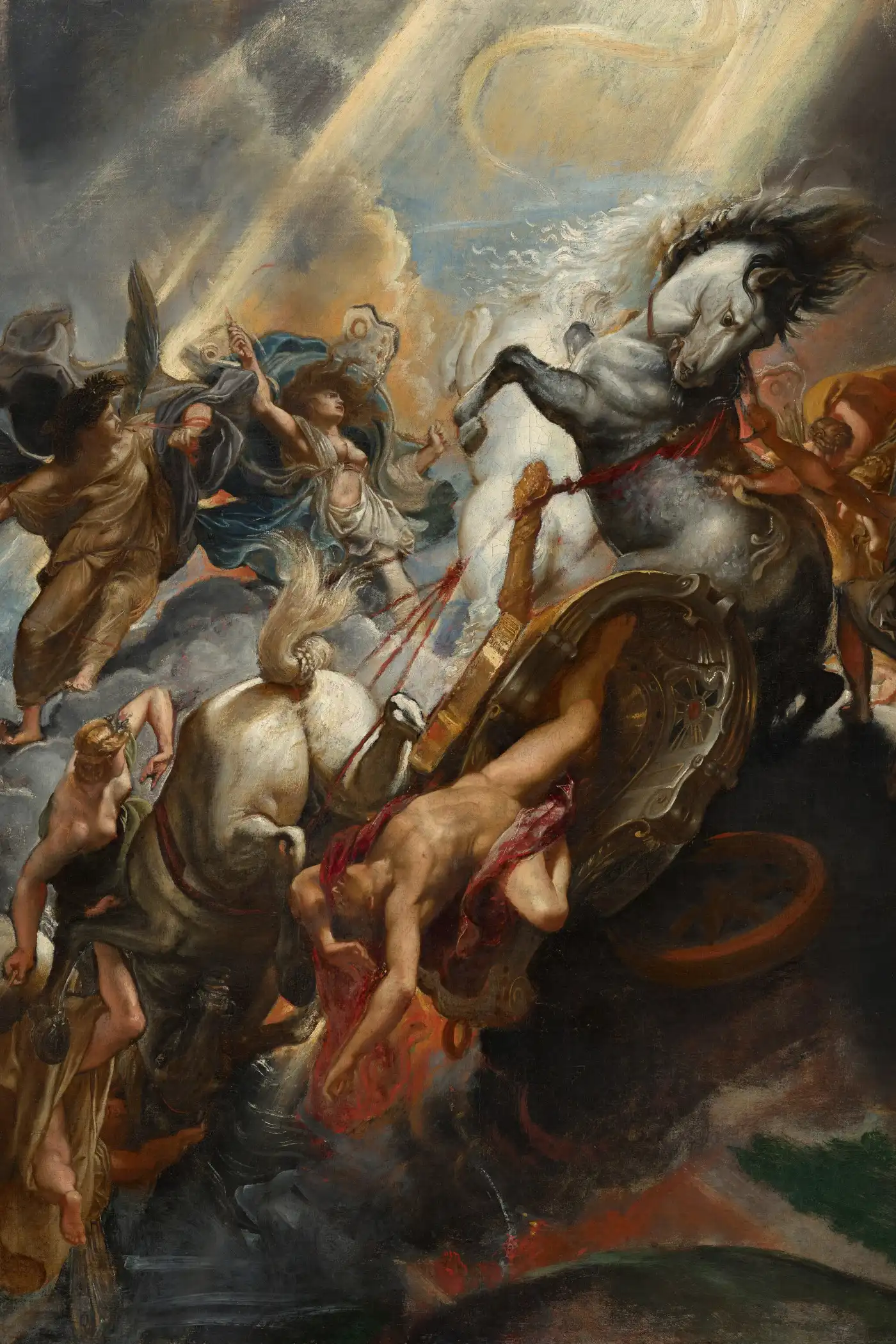
Ovid (43 BC–AD 17/18), full name Publius Ovidius Naso, was a Roman poet who was one of the three canonical poets of Latin literature alongside Virgil and Horace. Born in Sulmo (modern Sulmona) in central Italy to an equestrian family, Ovid was educated in rhetoric at Rome and briefly practiced law before devoting himself entirely to poetry. His early works—the Amores (love elegies), Heroides (fictional letters from mythological heroines), and Ars Amatoria (a witty manual on love and seduction)—established his reputation as the supreme poet of love and desire. His masterpiece, the Metamorphoses, is a vast narrative poem of over 11,500 lines telling more than 250 myths united by the theme of transformation, from the creation of the world to the deification of Julius Caesar. In AD 8, for reasons never fully explained—Ovid cryptically cited "a poem and an error"—Augustus exiled him to Tomis on the Black Sea (modern Constanța, Romania), where he spent the remaining decade of his life writing the melancholy Tristia and Epistulae ex Ponto. The Metamorphoses has been one of the most influential works in Western literature, shaping art, music, and literature from the Middle Ages to the present.
Common themes in Ovid's work
Classical Mythology
A recurring theme throughout Ovid's writing.
Roman Poetry
A recurring theme throughout Ovid's writing.
Metamorphosis and Change
A recurring theme throughout Ovid's writing.
Love and Desire
A recurring theme throughout Ovid's writing.
Books
Explore by genre
Other authors you may enjoy

Why Ovid is still read today
Ovid’s Metamorphoses is one of the most influential works ever written, the primary source for Greek and Roman mythology in Western culture. Its stories of transformation have inspired artists from Titian to Picasso, writers from Dante to Shakespeare to contemporary novelists, and remain central to how we understand classical myth.
Frequently Asked Questions
Who was Ovid?
Ovid was one of the three greatest Roman poets, whose Metamorphoses is the primary source for Greek and Roman mythology in Western culture. Read it free on TextStack.
What is the Metamorphoses about?
A vast narrative poem telling over 250 myths united by the theme of transformation—gods becoming animals, humans becoming trees, and the constant flux of the universe.
Why was Ovid exiled?
In AD 8, Augustus banished Ovid to the Black Sea for “a poem and an error”—the exact reasons remain one of literary history’s great mysteries.
Where can I read Ovid?
You can read the Metamorphoses for free on TextStack—the essential collection of Greek and Roman mythology that has shaped Western culture for two millennia.
Essential cookies keep you signed in and save your reading progress. Analytics cookies help us understand how the site is used. You can reject analytics — we still work without them. Learn more in our Privacy Policy.