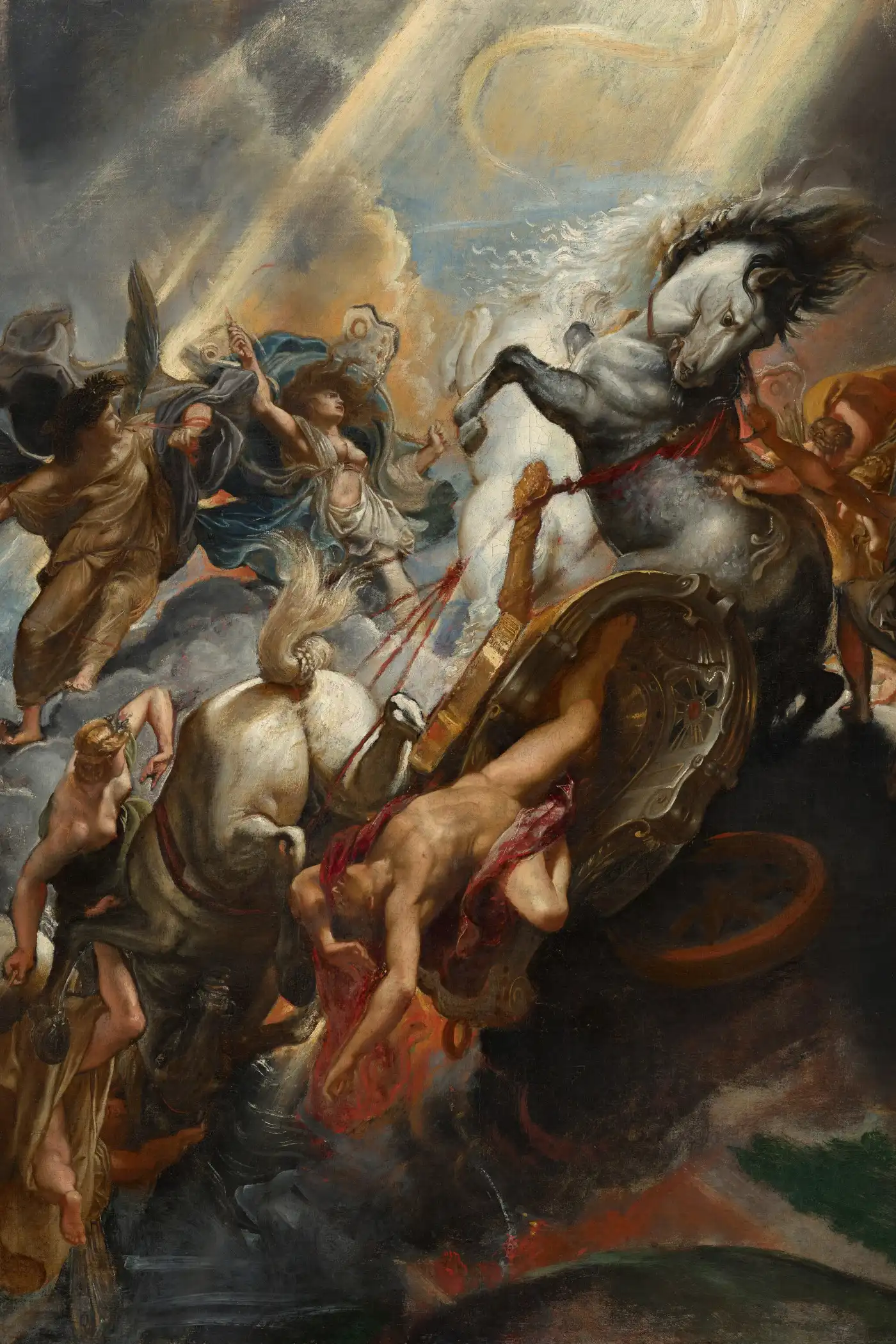
Metamorphoses
What is Metamorphoses about?
The Metamorphoses is Ovid’s masterpiece, a vast narrative poem in fifteen books that retells more than 250 myths from Greek and Roman tradition, all connected by the theme of transformation. Beginning with the creation of the world from primordial chaos and ending with the deification of Julius Caesar, the poem spans the entire mythological history of the ancient world. Ovid tells stories of gods transforming humans into animals, trees, and stars; of lovers changed by passion or punishment; of the origins of flowers, rivers, constellations, and peoples. Famous episodes include the stories of Apollo and Daphne, Narcissus and Echo, Pyramus and Thisbe (the source for Romeo and Juliet), Orpheus and Eurydice, Icarus, Medea, Pygmalion, and hundreds more. Ovid’s genius lies in his ability to move seamlessly between stories, shifting in tone from comic to tragic, from erotic to horrific, while maintaining an overarching vision of a universe in constant flux. The Metamorphoses became the primary source through which the mythology of Greece and Rome was transmitted to Western civilization.
Main themes in Metamorphoses
Transformation Myths
Metamorphoses thoughtfully explores transformation myths through its central conflicts.
Greek and Roman Gods
Greek and Roman Gods emerges as a defining element in Metamorphoses, shaping character development.
Love and Punishment
In Metamorphoses, love and punishment provides a lens for understanding the story's core message.
Creation Mythology
Metamorphoses thoughtfully explores creation mythology through its central conflicts.
Why Metamorphoses is still relevant today
The Metamorphoses is the single most important source for classical mythology in Western culture. Its stories have been adapted, illustrated, and reimagined continuously for two thousand years, and it remains essential for understanding the mythological foundations of Western art, literature, and culture.
Frequently Asked Questions
What is the Metamorphoses about?
Over 250 myths of transformation—gods, mortals, and nature constantly changing form—spanning from the creation of the world to the time of Julius Caesar. Read it free on TextStack.
Is the Metamorphoses difficult to read?
In a good translation, it is surprisingly entertaining and accessible. Ovid is a brilliant storyteller, and the individual myths can be read as self-contained tales.
Which stories from the Metamorphoses are most famous?
Apollo and Daphne, Narcissus and Echo, Pyramus and Thisbe, Orpheus and Eurydice, Pygmalion, Icarus, and Medea are among the most celebrated and widely retold.
Why is the Metamorphoses important?
It is the primary source for classical mythology in Western culture, having transmitted Greek and Roman myths to every subsequent generation of artists, writers, and thinkers for two thousand years.