Philip Gibbs
Biography
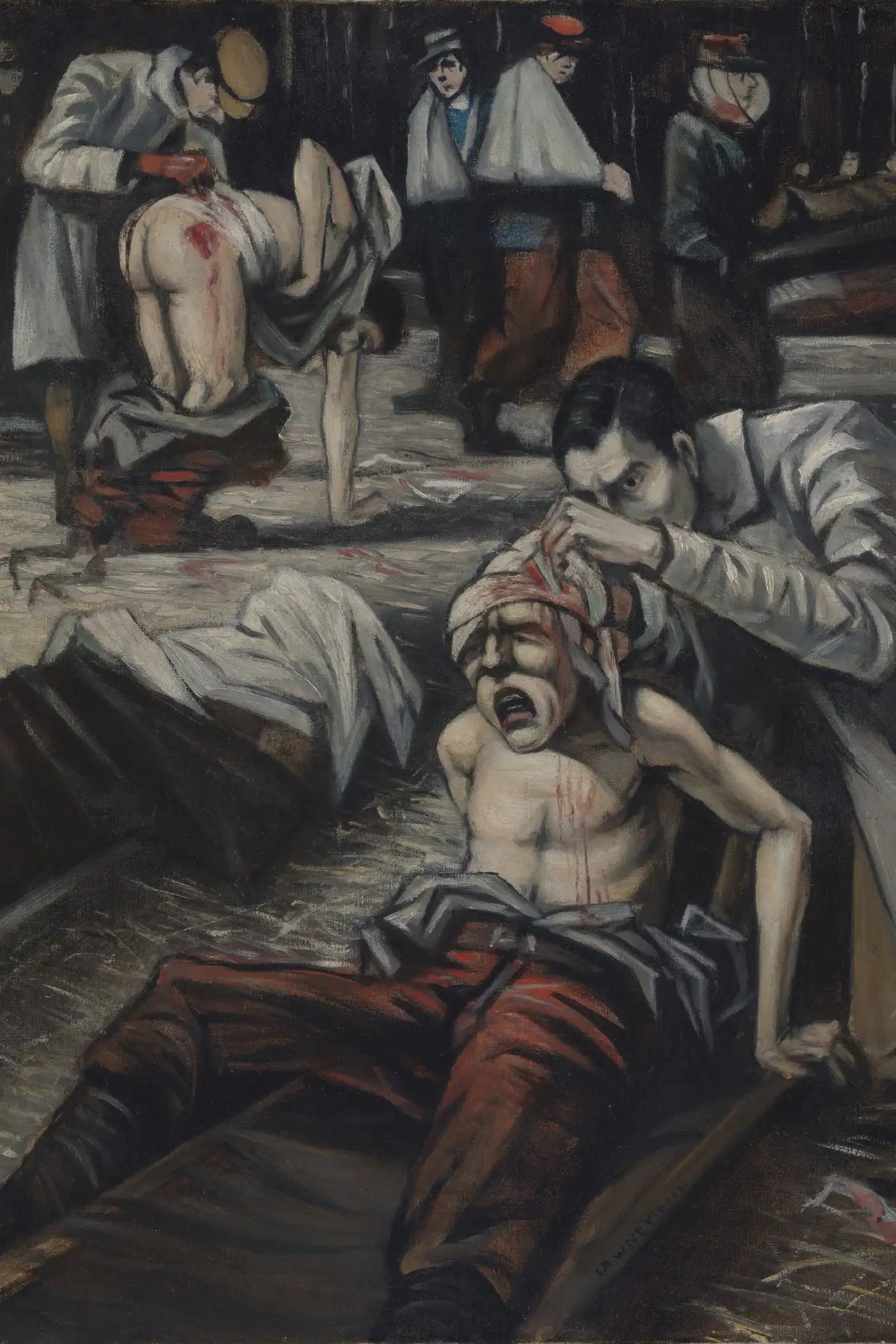
Sir Philip Gibbs (1877–1962) was an English journalist and novelist who became one of the most prominent war correspondents of World War I. Born in Kensington, London, Gibbs worked as a journalist from a young age and gained early fame for reporting on the sinking of the Titanic and other major events. During World War I, he was one of only five journalists officially accredited to report from the Western Front for the British press. His wartime dispatches were widely read, but it was his postwar book Now It Can Be Told (1920) that had the greatest impact. Written after wartime censorship was lifted, the book revealed the full horror of trench warfare that had been suppressed during the conflict: the incompetence of military leaders, the suffering of ordinary soldiers, and the gap between official propaganda and battlefield reality. The book was a sensation and contributed to the postwar disillusionment with military leadership. Gibbs was knighted in 1920 for his war correspondence. He continued to write prolifically, producing novels, journalism, and historical works throughout the 1920s and 1930s.
Common themes in Philip Gibbs's work
World War I
A recurring theme throughout Philip Gibbs's writing.
War Journalism
A recurring theme throughout Philip Gibbs's writing.
Censorship and Truth
A recurring theme throughout Philip Gibbs's writing.
Trench Warfare
A recurring theme throughout Philip Gibbs's writing.
Books
Explore by genre
Other authors you may enjoy
Why Philip Gibbs is still read today
Now It Can Be Told remains one of the most important first-person accounts of World War I, documenting the gap between official propaganda and the reality of trench warfare. As a study of how governments manipulate information during wartime, it remains disturbingly relevant.
Frequently Asked Questions
Who was Philip Gibbs?
Gibbs was a British war correspondent whose postwar book Now It Can Be Told revealed the suppressed horrors of World War I trench warfare. Read it free on TextStack.
Why is Now It Can Be Told important?
Written after censorship was lifted, it was the first comprehensive account revealing what wartime reporting had suppressed—the true horror, incompetence, and suffering of the Western Front.
Was Gibbs actually at the front?
Yes. He was one of only five journalists officially accredited to the British forces on the Western Front, witnessing battles firsthand throughout the war.
Where can I read Gibbs?
You can read Now It Can Be Told for free on TextStack—one of the most important first-person accounts of World War I.
Essential cookies keep you signed in and save your reading progress. Analytics cookies help us understand how the site is used. You can reject analytics — we still work without them. Learn more in our Privacy Policy.