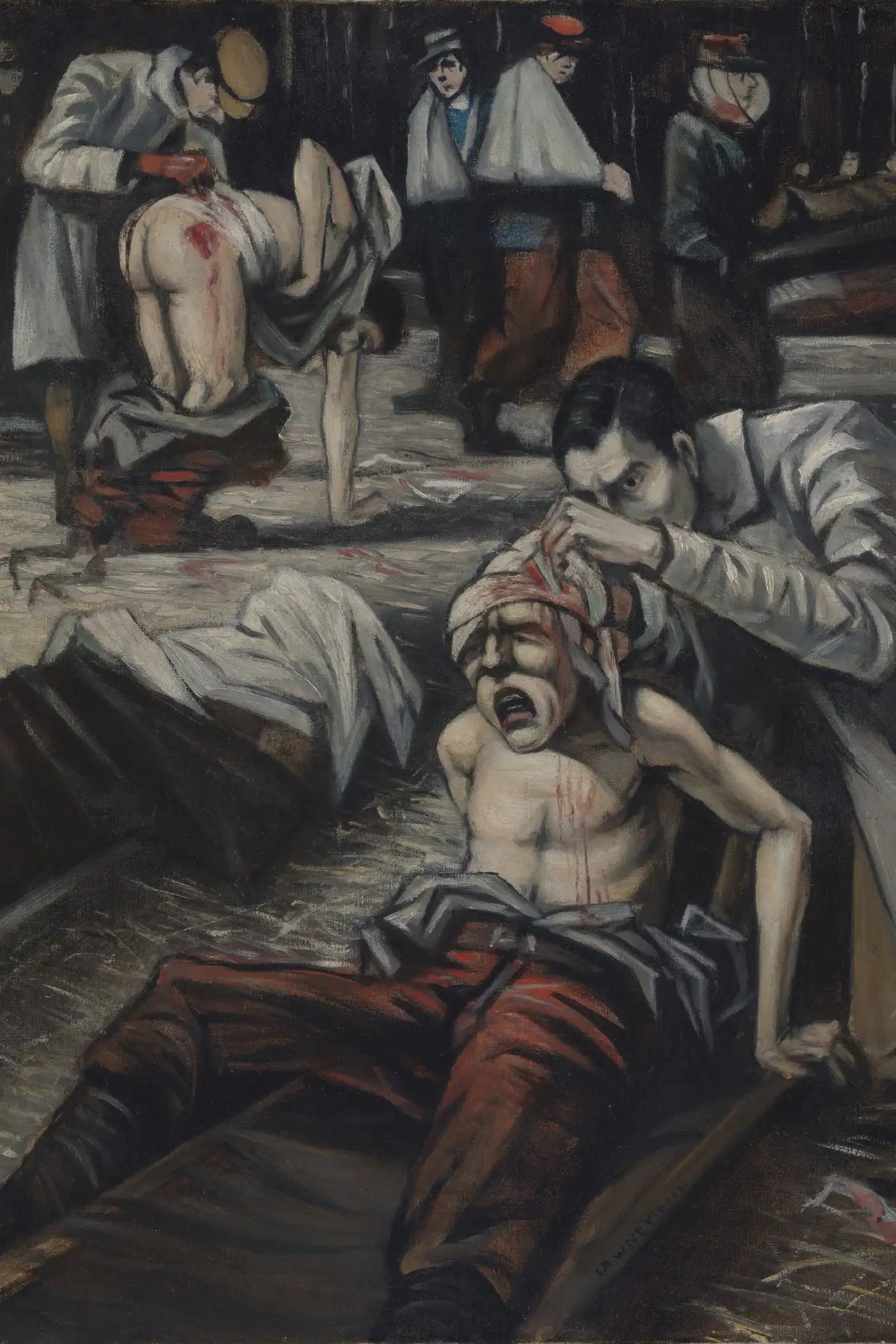
Now It Can Be Told
What is Now It Can Be Told about?
Now It Can Be Told (1920) is Philip Gibbs’s landmark account of World War I, written after wartime censorship was lifted and revealing what British war correspondents had been forbidden to report. As one of only five accredited journalists on the Western Front, Gibbs witnessed the major battles of the war—the Somme, Passchendaele, Arras, Cambrai—and recorded the experiences of ordinary soldiers with vivid, unflinching detail. The book exposes the incompetence of military commanders who sent men to die in futile assaults, the bureaucratic callousness of staff officers, and the horrifying conditions of trench warfare: the mud, the gas, the shelling, the psychological destruction. Gibbs also documents moments of courage, humor, and human connection amid the carnage. The title refers to the wartime censorship that had prevented truthful reporting—now, finally, the truth could be told. The book became a bestseller and contributed powerfully to the postwar reassessment of the war and its leadership.
Main themes in Now It Can Be Told
Western Front
Western Front emerges as a defining element in Now It Can Be Told, shaping character development.
Wartime Truth
The theme of wartime truth weaves through Now It Can Be Told, adding depth to its narrative.
Military Incompetence
Military Incompetence emerges as a defining element in Now It Can Be Told, shaping character development.
Trench Warfare Horror
Now It Can Be Told thoughtfully explores trench warfare horror through its central conflicts.
Why Now It Can Be Told is still relevant today
Now It Can Be Told’s exposure of wartime censorship and propaganda remains relevant to any era in which governments control information during conflict. As a first-person account of the Western Front by a skilled journalist, it is an essential World War I document.
Frequently Asked Questions
What is Now It Can Be Told about?
A war correspondent’s first-person account of World War I, revealing the horrors of trench warfare that wartime censorship had suppressed. Read it free on TextStack.
Why couldn’t this be told during the war?
British wartime censorship prevented journalists from reporting the full horror of the Western Front. Only after the war ended could Gibbs reveal what he had witnessed.
Is Now It Can Be Told difficult to read?
Gibbs writes in vivid, accessible journalistic prose. The content is sometimes harrowing, but the narrative is compelling and the writing masterful.
How does this compare to other WWI accounts?
As a journalist’s account rather than a soldier’s memoir, Gibbs provides a broader perspective on the war, including the failures of leadership and the machinery of propaganda that shaped public perception.