A Woman of No Importance
What is A Woman of No Importance about?
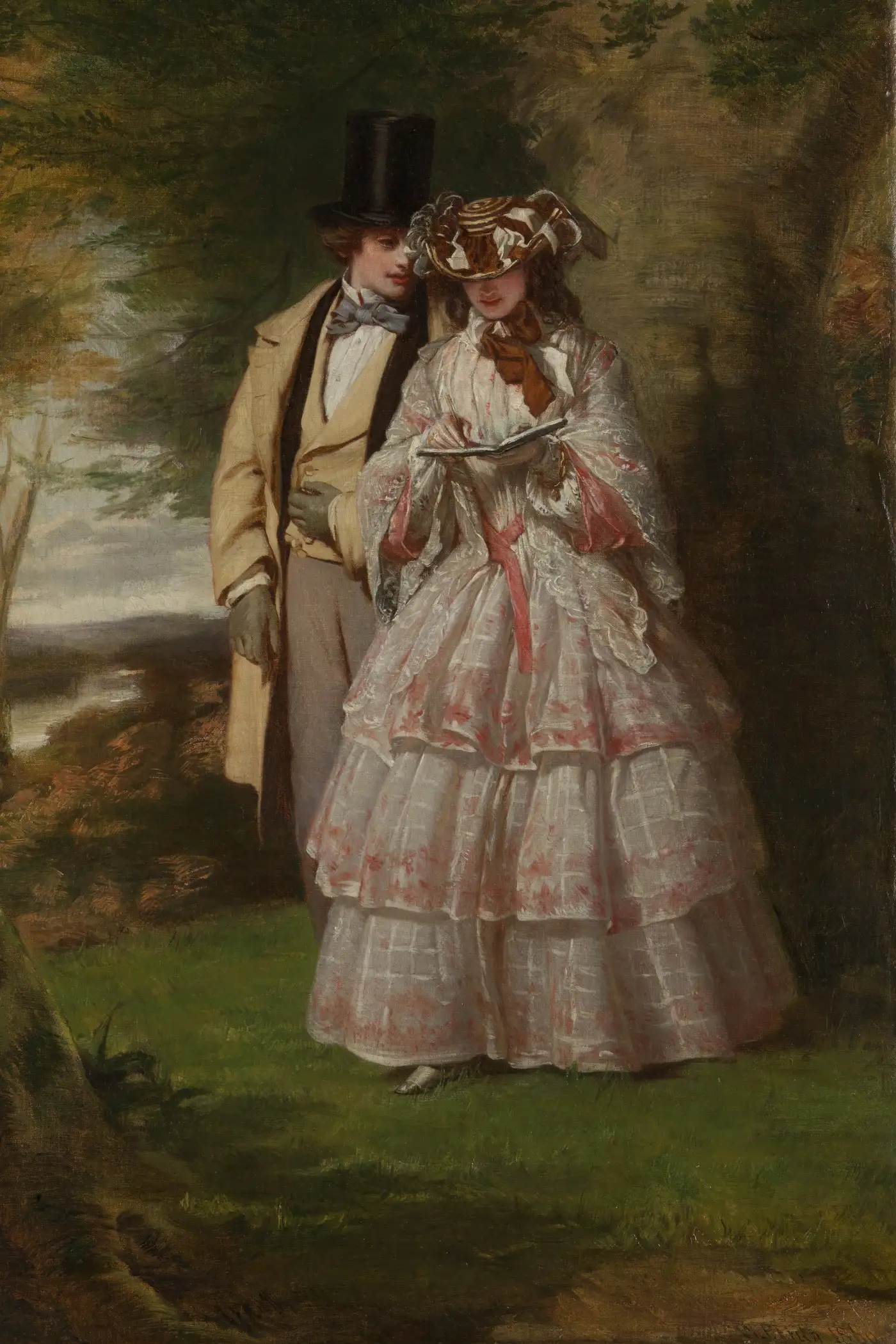
During a Victorian high society party, Gerald Arbuthnot is offered a coveted position with Lord Illingworth, a charismatic nobleman. But when Gerald introduces his mother, Mrs. Arbuthnot, to Lord Illingworth, she refuses to give her permission for him to accept the position. Gerald is confused, but Mrs. Arbuthnot is determined to keep her reasons a secret. A Woman of No Importance explores themes of marriage and morality, and satirizes the hypocrisy of Victorian society. It premiered in London in 1893, and is Oscar Wilde’s second drawing-room play, following his successful Lady Windermere’s Fan .
Main themes in A Woman of No Importance
Sexual double standards
The theme of sexual double standards weaves through A Woman of No Importance, adding depth to its narrative.
Fallen women
In A Woman of No Importance, fallen women provides a lens for understanding the story's core message.
Mother and son
Mother and son emerges as a defining element in A Woman of No Importance, shaping character development.
English hypocrisy
The presence of english hypocrisy in A Woman of No Importance connects readers to its enduring relevance.
Why A Woman of No Importance is still relevant today
A Woman of No Importance directly addresses the sexual double standard of Victorian society, where a woman could be ruined by behavior that barely affected a man. Its feminist critique remains relevant to ongoing discussions of gender inequality and social judgment. The play features some of Wilde's most quoted lines and showcases his ability to combine social comedy with genuine moral seriousness. Lord Illingworth's witticisms barely disguise the cruelty beneath his charm.
More by this author
Frequently Asked Questions
What is A Woman of No Importance about?
The play follows Mrs. Arbuthnot, who must confront the aristocrat who seduced and abandoned her years ago when he reappears as her son's potential employer, forcing a reckoning with the past.
What is the double standard the play criticizes?
The play attacks Victorian society's treatment of 'fallen women'—ruined by behavior that enhanced men's reputations as 'men of the world.' Lord Illingworth suffered no consequences while Mrs. Arbuthnot lost everything.
Who is the woman of no importance?
The title refers to how Lord Illingworth once dismissed Mrs. Arbuthnot. By the play's end, it is she who calls him 'a man of no importance,' inverting the power dynamic.
Is this a comedy or a drama?
A Woman of No Importance blends witty social comedy with melodrama and serious social criticism. It has Wilde's characteristic epigrams but also real emotional weight.
How does this compare to Wilde's other plays?
A Woman of No Importance is more serious than The Importance of Being Earnest but shows Wilde developing the balance of wit and substance that marks his best work.