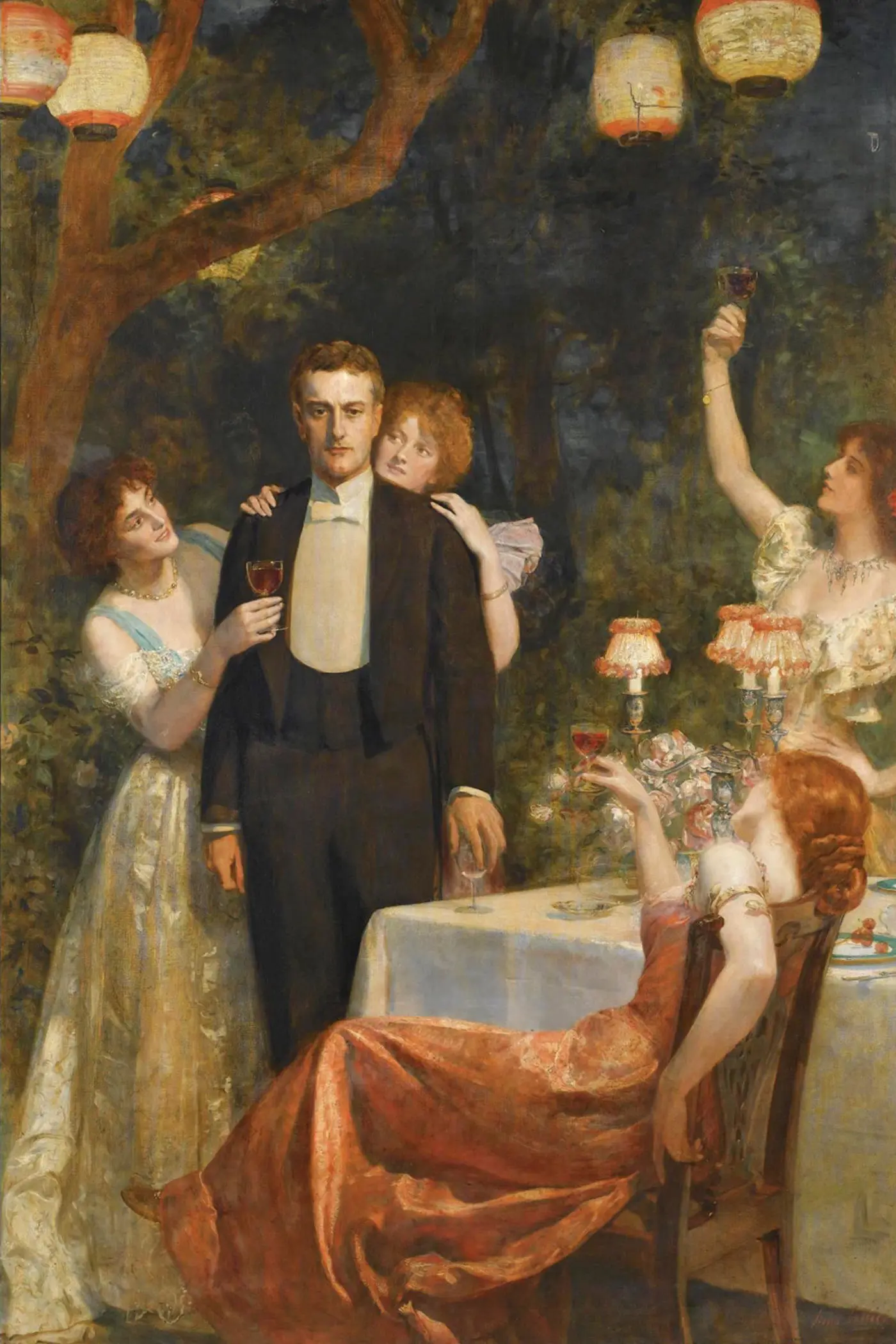
The Picture of Dorian Gray
What is The Picture of Dorian Gray about?
The Picture of Dorian Gray by Oscar Wilde is a dazzling Gothic novel that explores beauty, corruption, and the dark side of aestheticism. First published in 1890, this philosophical tale follows the beautiful young Dorian Gray, whose portrait mysteriously ages and bears the marks of his sins while he remains eternally youthful. Under the corrupting influence of the cynical Lord Henry Wotton, Dorian pursues pleasure without consequence, descending into a life of secret depravity. Wilde's epigrammatic wit, lush prose, and exploration of art, morality, and the soul created one of literature's most haunting and quotable works. A scandal upon publication, it remains timelessly provocative.
Main themes in The Picture of Dorian Gray
Beauty and corruption
The Picture of Dorian Gray thoughtfully explores beauty and corruption through its central conflicts.
Art and life
In The Picture of Dorian Gray, art and life provides a lens for understanding the story's core message.
Youth and mortality
The theme of youth and mortality weaves through The Picture of Dorian Gray, adding depth to its narrative.
Hedonism and consequence
Hedonism and consequence emerges as a defining element in The Picture of Dorian Gray, shaping character development.
Why The Picture of Dorian Gray is still relevant today
The Picture of Dorian Gray remains one of the most influential novels of the nineteenth century, inspiring countless adaptations and becoming a touchstone for discussions of art, beauty, and morality. Its central conceit—the portrait that ages while its subject stays young—has become a cultural archetype. The novel's exploration of the gap between surface and reality, public image and private self, resonates powerfully in the age of social media and curated identities. Wilde's prose, rich with epigrams and philosophical musings, continues to seduce readers with its dangerous beauty.
More by this author
Frequently Asked Questions
What is The Picture of Dorian Gray about?
The novel follows Dorian Gray, whose portrait ages while he remains young. As Dorian pursues a life of sin, the portrait becomes hideous, reflecting his moral corruption until the tragic finale.
Why was The Picture of Dorian Gray controversial?
The novel scandalized Victorians with its hints of homosexuality, its amoral philosophy, and its sensuous prose. Critics called it 'poisonous' and it was used against Wilde at his trial.
What is the moral of Dorian Gray?
While Wilde claimed art has no moral, the novel suggests that actions have consequences and that beauty without virtue is ultimately destructive. Dorian's attempt to escape consequence leads to his destruction.
Who is Lord Henry Wotton?
Lord Henry is a cynical aristocrat whose witty, amoral philosophy corrupts Dorian. He represents the seductive danger of aesthetic ideas taken to extremes, though he never acts on his own theories.
Is this Wilde's only novel?
Yes, The Picture of Dorian Gray is Wilde's only novel. He was primarily a playwright, though he also wrote short stories, fairy tales, poetry, and essays.