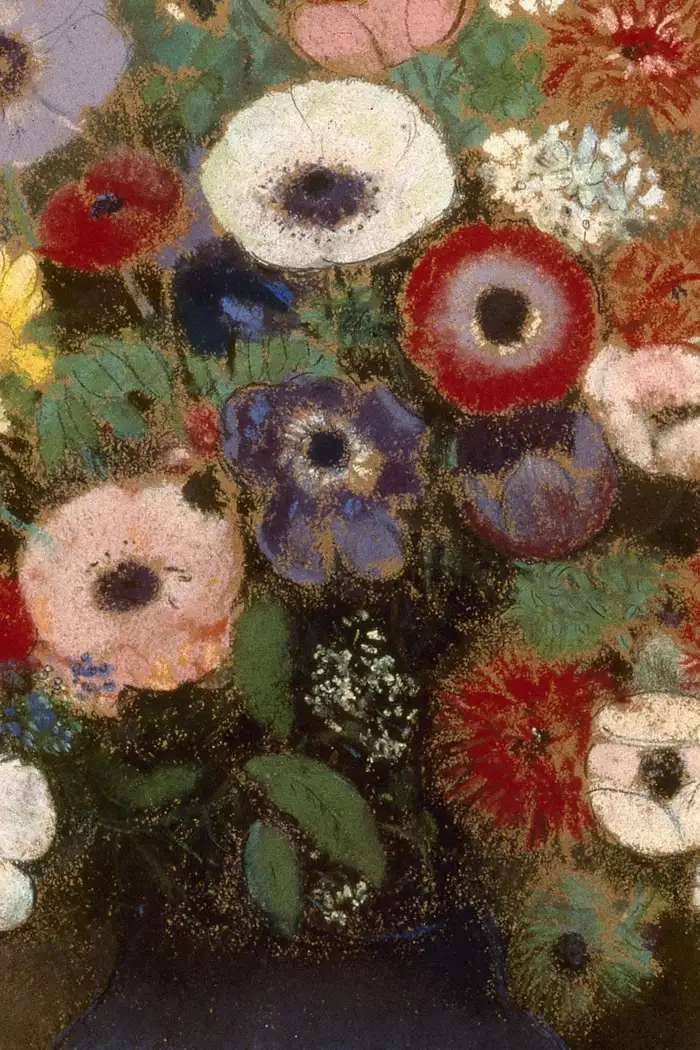
Against the Grain
What is Against the Grain about?
Against the Grain (1884), also known as À rebours, is J.-K. Huysmans’s revolutionary novel and the bible of the Decadent movement. It follows Des Esseintes, a jaded aristocrat who retreats from Parisian society to a hermetically sealed suburban house, surrounding himself with exotic art, rare books, bizarre sensory experiments, and artificial pleasures. Each chapter explores a different aesthetic obsession: perfumes, gems, flowers, Latin literature, liqueurs. The novel has virtually no plot—it is a catalogue of refined sensations and aesthetic philosophy. It profoundly influenced Oscar Wilde, the Symbolists, and the entire Decadent movement.
Main themes in Against the Grain
Decadent movement
In Against the Grain, decadent movement provides a lens for understanding the story's core message.
Aestheticism
The presence of aestheticism in Against the Grain connects readers to its enduring relevance.
Sensory excess
Sensory excess emerges as a defining element in Against the Grain, shaping character development.
Artificial pleasures
Artificial pleasures emerges as a defining element in Against the Grain, shaping character development.
Why Against the Grain is still relevant today
Against the Grain defined the Decadent movement and directly inspired Wilde’s The Picture of Dorian Gray. It remains essential reading for understanding fin-de-siècle aestheticism.
More by this author
Frequently Asked Questions
What is Against the Grain about?
A jaded aristocrat retreats from society into a sealed house of exotic art, rare books, and sensory experiments—a plotless catalogue of aesthetic obsessions.
Why is it important?
It defined the Decadent movement and is the “poisonous yellow book” referenced in Wilde’s The Picture of Dorian Gray.
Is it difficult to read?
It is unusual—more a series of aesthetic meditations than a conventional novel—but fascinating for its ideas and influence.
Can I read it free?
Yes, the complete novel is available free on TextStack.