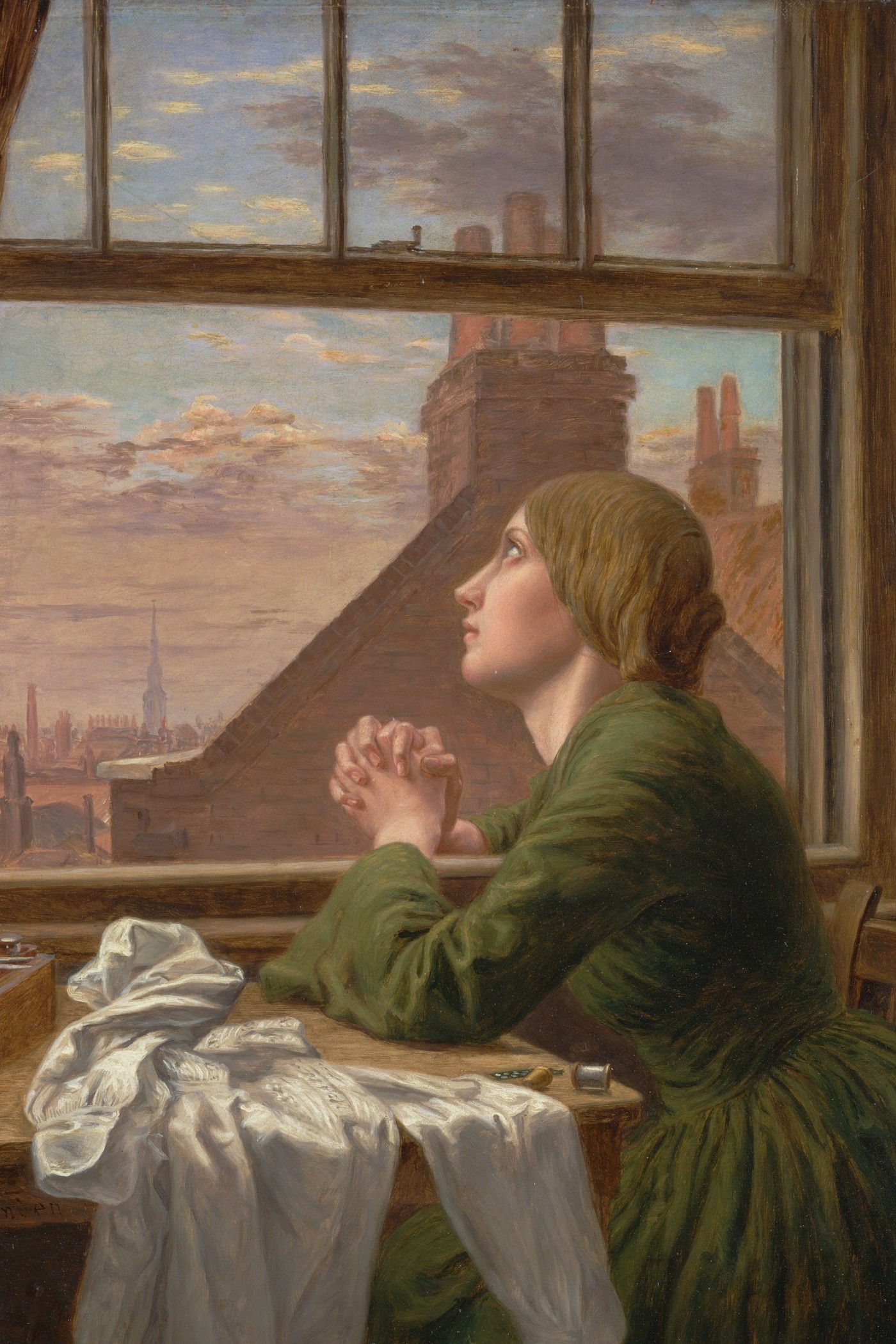
Anna of the Five Towns
What is Anna of the Five Towns about?
Anna of the Five Towns (1902) is Arnold Bennett's breakthrough novel, set in the industrial Potteries district of Staffordshire, England — a region of five closely linked towns defined by coal smoke, chapels, and the manufacture of ceramics. The story follows Anna Tellwright, a young woman who learns on her twenty-first birthday that she has inherited considerable property, only to discover that legal ownership means nothing when her father, the domineering Ephraim Tellwright, controls every aspect of her life. Anna falls quietly in love with Henry Mynors, a respectable Methodist businessman, while her compassion draws her toward Willie Price, a ruined tenant whose family suffers directly under her father's financial ruthlessness. Caught between duty, affection, and an inability to assert herself against patriarchal authority, Anna drifts toward a fate she does not choose. Bennett wrote the novel in the tradition of French realism, heavily influenced by Flaubert and Zola, and brought the same unflinching observational detail to the English Midlands. It is considered the first mature example of his Five Towns cycle, which would also include The Old Wives' Tale and Clayhanger. The novel is notable for its precise social documentation of Nonconformist chapel culture, property law as it affected women before full legal reform, and the psychological weight of provincial constraint.
Main themes in Anna of the Five Towns
Patriarchal authority and female subjugation
In Anna of the Five Towns, patriarchal authority and female subjugation provides a lens for understanding the story's core message.
Religious Nonconformity and social conformity
The presence of religious nonconformity and social conformity in Anna of the Five Towns connects readers to its enduring relevance.
Property, wealth, and powerlessness
The presence of property, wealth, and powerlessness in Anna of the Five Towns connects readers to its enduring relevance.
Suppressed desire and self-denial
Anna of the Five Towns thoughtfully explores suppressed desire and self-denial through its central conflicts.
Why Anna of the Five Towns is still relevant today
Anna of the Five Towns remains relevant as a study of how social structures — religion, family hierarchy, and property law — can render individual will nearly inert even in the absence of overt violence. Anna's situation anticipates debates that persist today around financial control within families, the gap between formal rights and practical autonomy, and the social pressures that shape women's choices. Bennett's meticulous rendering of industrial working-class life in the Potteries also makes the novel a historical document of a world now largely disappeared. Readers interested in Victorian and Edwardian social fiction, women's history, or the literature of industrial England will find the novel a precise and unromanticized account of that moment. It stands alongside Hardy and Gissing as a record of how economic conditions shaped personal life. Scholars of regional literature and the realist tradition continue to cite it as a foundational English text.
More by this author

Frequently Asked Questions
What is Anna of the Five Towns about?
Anna of the Five Towns follows Anna Tellwright, a young woman in an English industrial town who discovers she has inherited significant property on her twenty-first birthday, only to find her domineering father continues to control her finances and her life. The novel traces her constrained relationships, her quiet love for Henry Mynors, and her helplessness to prevent the suffering of the Price family, tenants ruined by her father's management of her estate.
Is Anna of the Five Towns difficult to read?
The novel is written in clear, precise prose and is accessible to most adult readers. Bennett's style is observational and methodical rather than ornate. Readers familiar with Victorian realist fiction — Hardy, Gissing, or Gaskell — will find the register familiar. The primary challenge is the slow, deliberate pacing, which is intentional and characteristic of the realist tradition.
How long does it take to read Anna of the Five Towns?
Anna of the Five Towns is approximately 80,000 words, which places it in the range of a medium-length novel. Most readers complete it in six to ten hours. You can read it in full for free on TextStack, where your reading progress is saved automatically so you can continue across sessions.
What are the main themes in Anna of the Five Towns?
The central themes include patriarchal authority and its effects on women's autonomy, the relationship between formal property rights and actual power, the social and psychological weight of Nonconformist religious culture, suppressed personal desire under provincial social norms, and the economic and human costs of industrial capitalism in the English Midlands.