Discourses
What is Discourses about?
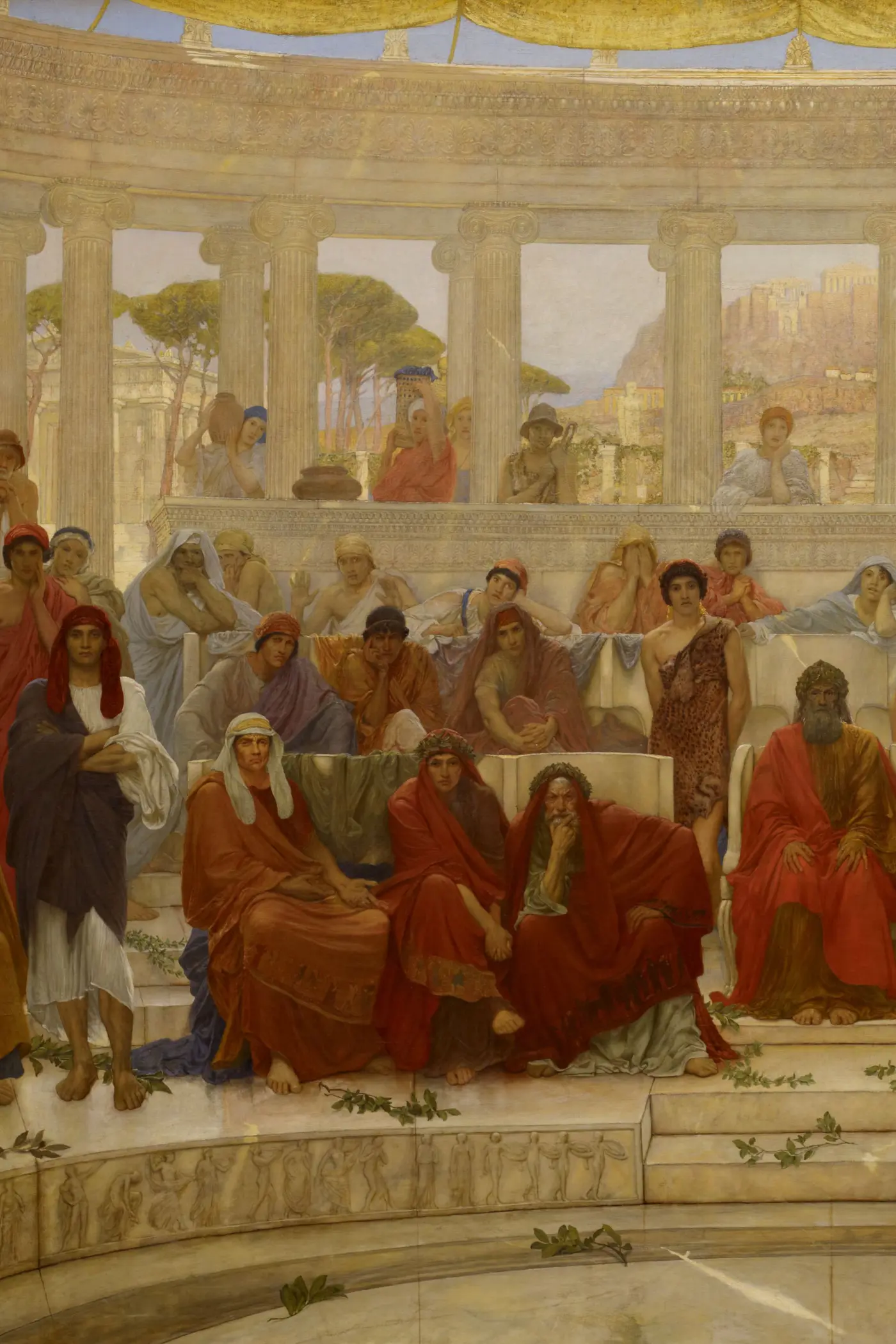
The Discourses of Epictetus, recorded by his student Arrian around 108 AD, are the fullest surviving record of Epictetus’s Stoic teachings. In four books of conversational lectures, Epictetus addresses his students on topics including freedom, desire, duty, death, illness, and how to live a good life. His central teaching is the dichotomy of control: distinguish between what depends on us (our judgments, desires, actions) and what does not (health, wealth, reputation), and focus only on the former. The Discourses are practical rather than theoretical, filled with vivid examples, sharp humor, and direct challenges to students’ complacency.
Main themes in Discourses
Stoic philosophy
The presence of stoic philosophy in Discourses connects readers to its enduring relevance.
Dichotomy of control
The theme of dichotomy of control weaves through Discourses, adding depth to its narrative.
Practical ethics
In Discourses, practical ethics provides a lens for understanding the story's core message.
Self-mastery
In Discourses, self-mastery provides a lens for understanding the story's core message.
Why Discourses is still relevant today
The Discourses are the most complete source of Epictetus’s Stoic teachings and a foundational text of the modern Stoicism revival. Their practical focus on what we can control influences cognitive behavioral therapy and self-help worldwide.
More by this author
Frequently Asked Questions
What are the Discourses about?
Epictetus’s practical Stoic teachings on freedom, self-mastery, and the dichotomy of control—distinguishing what depends on us from what does not.
Are they difficult to read?
They are conversational and accessible, more like recorded lectures than dense philosophy. Epictetus uses vivid examples and humor.
How do they relate to modern self-help?
Epictetus’s focus on controlling reactions rather than events directly influenced cognitive behavioral therapy and modern Stoic self-help.
Can I read them free?
Yes, the complete Discourses are available free on TextStack.