History of the Peloponnesian War
What is History of the Peloponnesian War about?
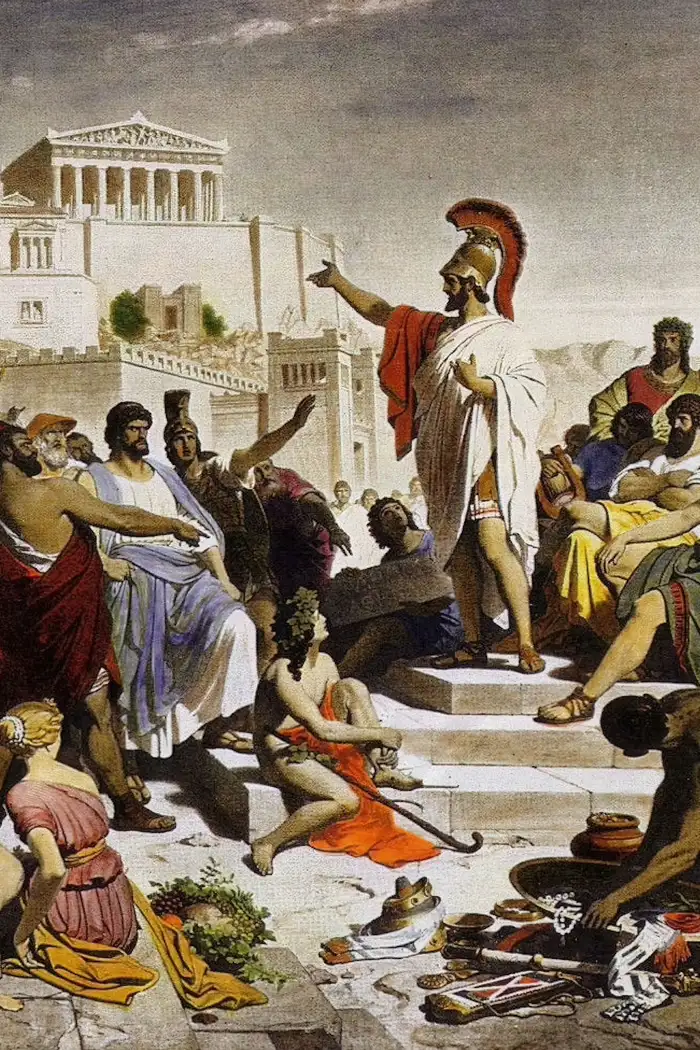
The History of the Peloponnesian War is Thucydides’ monumental account of the war between Athens and Sparta (431–404 BC) that devastated the Greek world. Written by an Athenian general who participated in the conflict, the history combines rigorous analysis of political and military events with vivid narrative set pieces: Pericles’ Funeral Oration, the plague of Athens, the disastrous Sicilian Expedition, and the Melian Dialogue. Thucydides’ commitment to factual accuracy and his penetrating analysis of power, democracy, and human nature make this one of the greatest historical works ever written.
Main themes in History of the Peloponnesian War
Peloponnesian War
Peloponnesian War emerges as a defining element in History of the Peloponnesian War, shaping character development.
Athens vs Sparta
In History of the Peloponnesian War, athens vs sparta provides a lens for understanding the story's core message.
Democracy and empire
In History of the Peloponnesian War, democracy and empire provides a lens for understanding the story's core message.
Political realism
The theme of political realism weaves through History of the Peloponnesian War, adding depth to its narrative.
Why History of the Peloponnesian War is still relevant today
The History of the Peloponnesian War remains essential reading for understanding politics, war, and human nature. Its insights into power, democracy, and imperial overreach speak directly to contemporary geopolitics.
Frequently Asked Questions
What is the History of the Peloponnesian War about?
A detailed account of the war between Athens and Sparta (431–404 BC), analyzing the political, military, and human dimensions of the conflict.
Is Thucydides difficult to read?
In modern translation, the narrative is compelling and accessible. The political analysis is dense but rewarding.
Why is this book still read today?
Its analysis of power, democracy, and conflict remains directly relevant to modern politics and international relations.
Where can I read the History of the Peloponnesian War free?
You can read the full text free on TextStack.