My Ántonia
What is My Ántonia about?
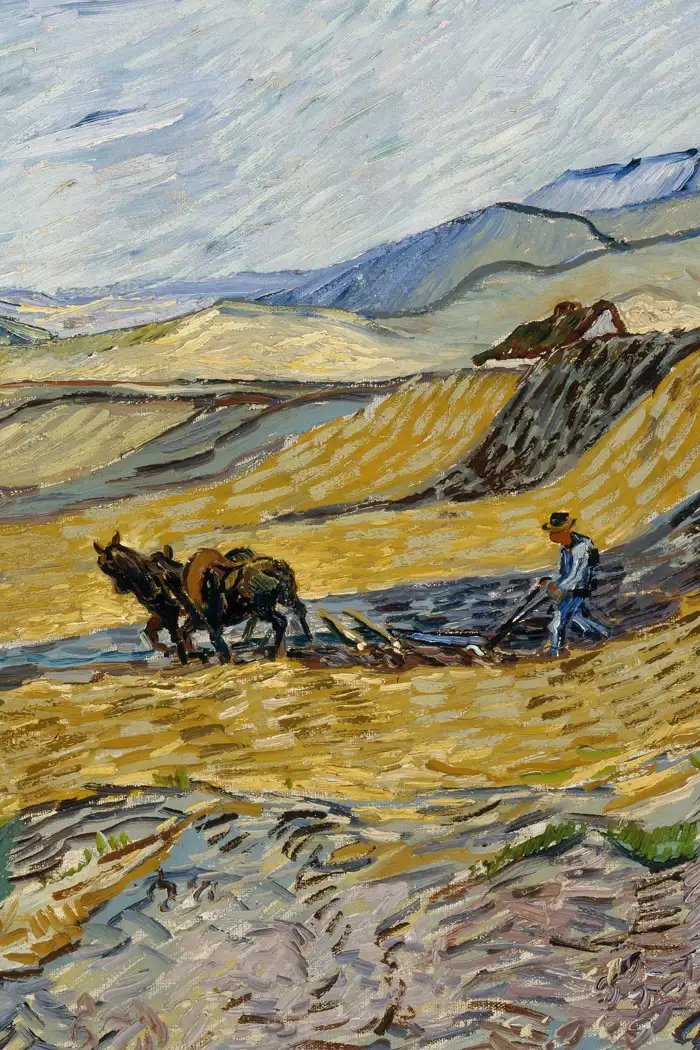
My Ántonia by Willa Cather is a lyrical masterpiece of American literature that celebrates the pioneering spirit and immigrant experience on the Great Plains. Published in 1918, this evocative novel follows Ántonia Shimerda, a Bohemian immigrant girl, as seen through the eyes of her childhood friend Jim Burden. Cather's prose beautifully captures the harsh beauty of the Nebraska prairie, the struggles of immigrant families, and the profound bonds formed in frontier communities. Ántonia emerges as an enduring symbol of strength, resilience, and connection to the land. This poignant exploration of memory, loss, and the American Dream remains one of the finest portraits of life in the American heartland.
Main themes in My Ántonia
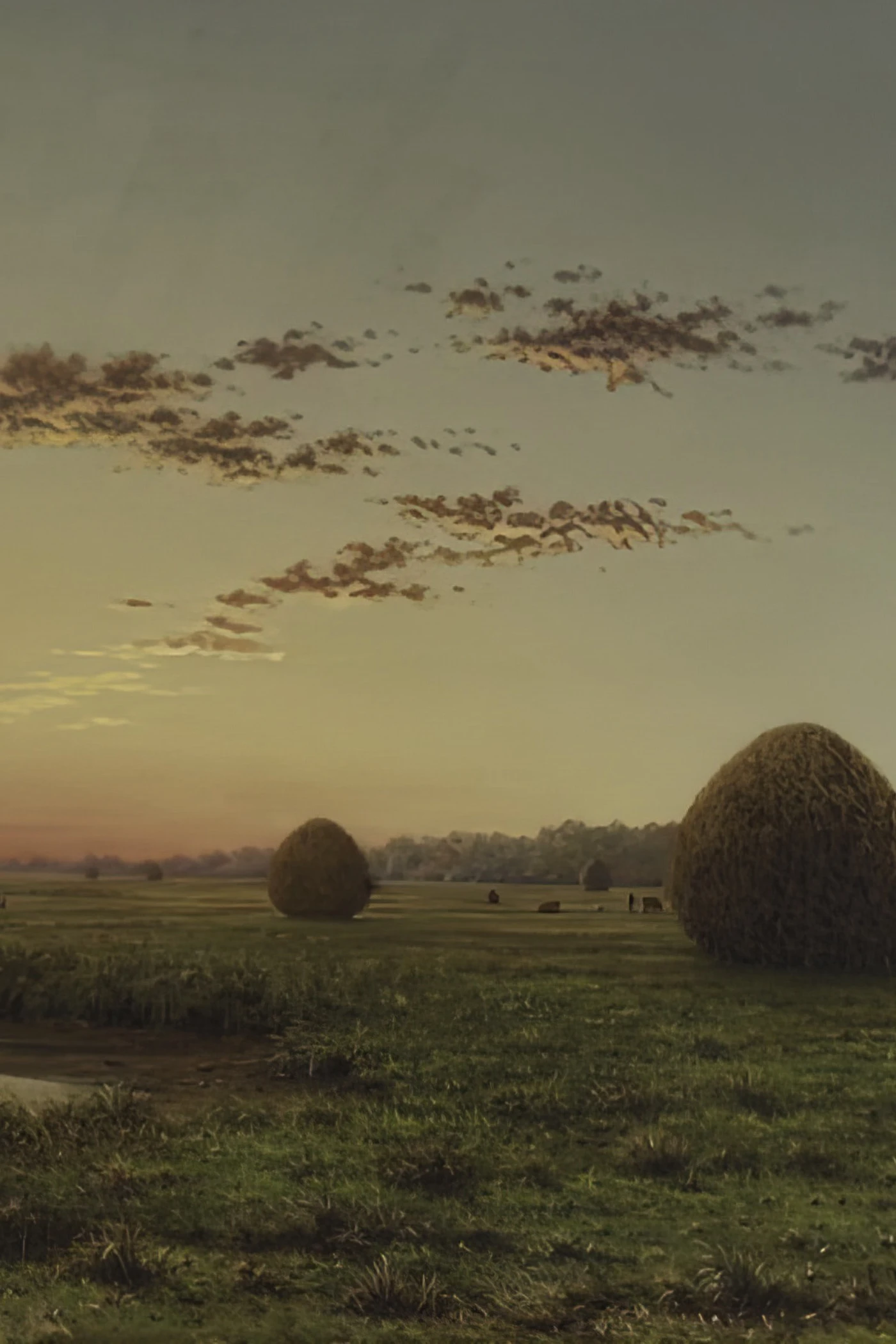
The American prairie and landscape
My Ántonia thoughtfully explores the american prairie and landscape through its central conflicts.
Immigrant experience
The presence of immigrant experience in My Ántonia connects readers to its enduring relevance.
Memory and the past
The presence of memory and the past in My Ántonia connects readers to its enduring relevance.
Women's lives and strength
My Ántonia thoughtfully explores women's lives and strength through its central conflicts.
Why My Ántonia is still relevant today
My Ántonia stands as one of the finest American novels, Willa Cather's celebration of immigrant pioneers and the Nebraska prairie creating literary territory as significant as any in American fiction. Her prose style—clear, evocative, classical—offers a model of elegant American writing. The novel gives voice to immigrant communities often overlooked, particularly Czech settlers on the Great Plains. Its exploration of memory, landscape, and women's lives continues to resonate with readers seeking fiction that balances beauty with substance.
More by this author
Frequently Asked Questions
What is My Ántonia about?
Jim Burden recalls growing up on the Nebraska prairie alongside Ántonia Shimerda, a Bohemian immigrant girl. The novel follows their lives from childhood through adulthood, celebrating immigrant resilience, the beauty of the prairie, and the power of memory.
Is My Ántonia autobiographical?
Cather drew on her Nebraska childhood and immigrant neighbors. Like Jim, she moved to Nebraska as a child. Ántonia was inspired by Annie Sadilek Pavelka, a Bohemian hired girl Cather knew. The novel transforms autobiography into art.
What makes Cather's prose style distinctive?
Cather advocated for the 'novel démeublé' (unfurnished novel), stripping away unnecessary detail for clean, evocative prose. Her style combines clarity with emotional depth, classical restraint with prairie lyricism. She remains a model for elegant writing.
Why is the narrator male if Cather was female?
Cather often used male narrators. Jim's perspective allows nostalgic distance and perhaps freed Cather from autobiographical constraints. Some critics see it as allowing expression of Cather's own complex feelings about prairie women.
What role does Nebraska play in the novel?
The Nebraska prairie is almost a character itself. Cather's descriptions of landscape, seasons, and immigrant communities create a sense of place that defines the novel. Her achievement was making this 'flyover' territory into significant literary ground.