The Song of the Lark
What is The Song of the Lark about?
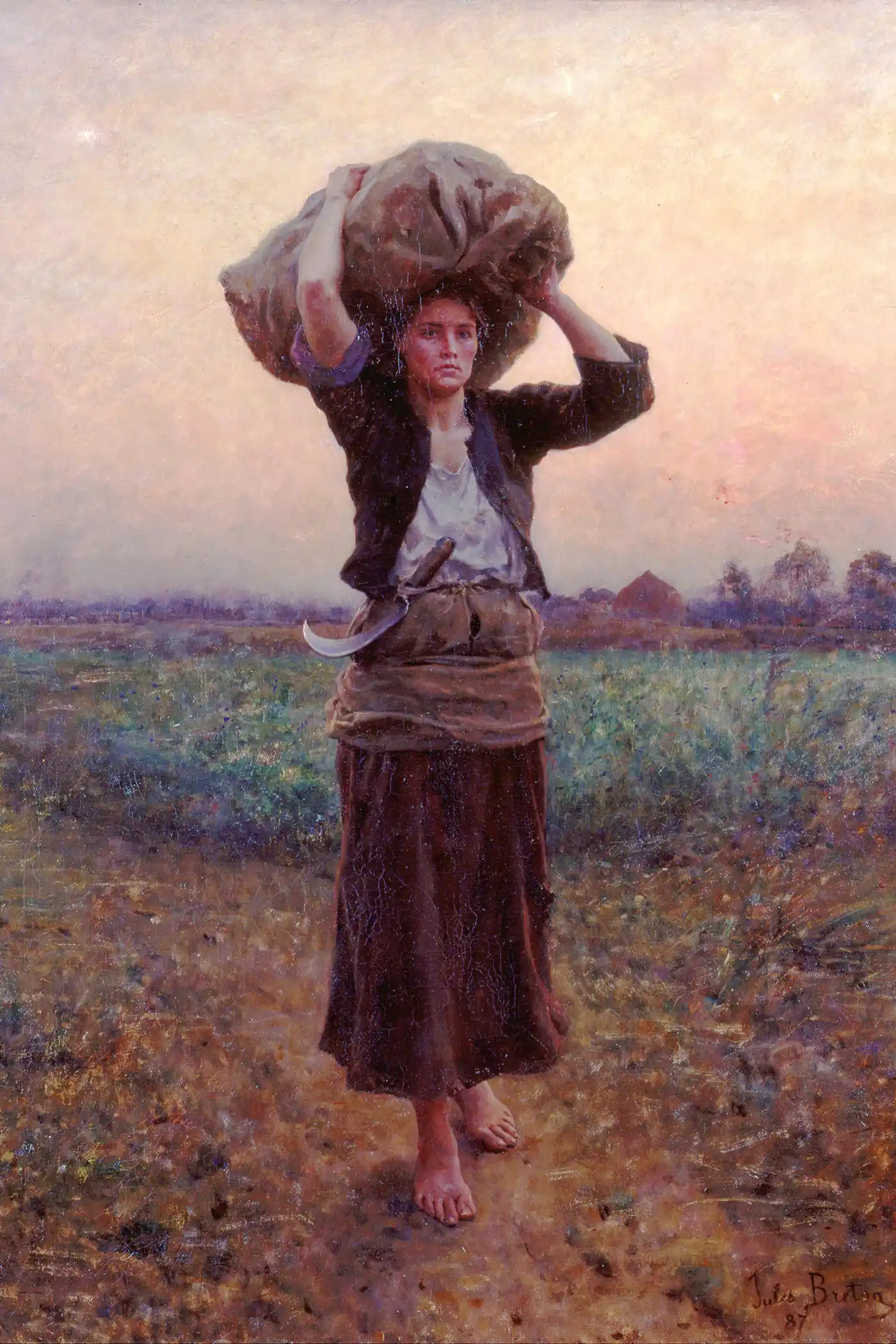
The Song of the Lark , Willa Cather’s third novel, was written in 1915. It is said to have been inspired by the real-life soprano Olive Fremstad, a celebrated Swedish-American singer who, like the protagonist, was active in New York and Europe during the time period depicted in the novel. The work explores how an artist’s early life influences their work. In the novel, Thea Kronborg discovers her talent as a singer, and goes on to achieve great fame and success once she leaves her tiny village of Moonstone. Cather eschewed depicting rural life as being idyllic, instead focusing on the conservative, restricted, patriarchal structures that its inhabitants live by. Her work is thus considered to be one of the earliest so-called “Revolt Novels.” She depicts a time at the end of the 19th century when the American West was expanding rapidly and Americans were gaining sophistication in their understanding of culture and artists, particularly compared to Europe. The title of the novel comes from the name of a 1884 painting by Jules Breton, which is described and considered in the book itself.
Main themes in The Song of the Lark
Artistic ambition
The theme of artistic ambition weaves through The Song of the Lark, adding depth to its narrative.
Female empowerment
The Song of the Lark thoughtfully explores female empowerment through its central conflicts.
Small-town America
The theme of small-town america weaves through The Song of the Lark, adding depth to its narrative.
Cultural identity
In The Song of the Lark, cultural identity provides a lens for understanding the story's core message.
Why The Song of the Lark is still relevant today
Cather's semi-autobiographical novel traces the artistic development of Thea Kronborg from a small Colorado town to the opera stages of New York. Published in 1915, it remains one of the great American novels about the cost and triumph of artistic ambition. The book's portrayal of a woman pursuing creative excellence against social and economic obstacles continues to inspire readers interested in the intersection of art, identity, and perseverance.
More by this author
Frequently Asked Questions
What is The Song of the Lark about?
It follows Thea Kronborg, a talented musician from a small Colorado town, as she develops from a gifted child into a world-class opera singer, navigating the personal sacrifices demanded by artistic greatness.
Is The Song of the Lark autobiographical?
Partly. Cather drew on her own experience growing up in Nebraska and her admiration for opera singer Olive Fremstad. The novel explores themes of artistic dedication that were central to Cather's own life.
How long is The Song of the Lark?
It is one of Cather's longer novels, divided into several parts that follow Thea from childhood through her artistic maturity. The episodic structure makes it easy to read in sections.
Can I read The Song of the Lark free on TextStack?
Yes, you can read the complete text for free on TextStack with chapter navigation, bookmarks, and reading progress tracking.