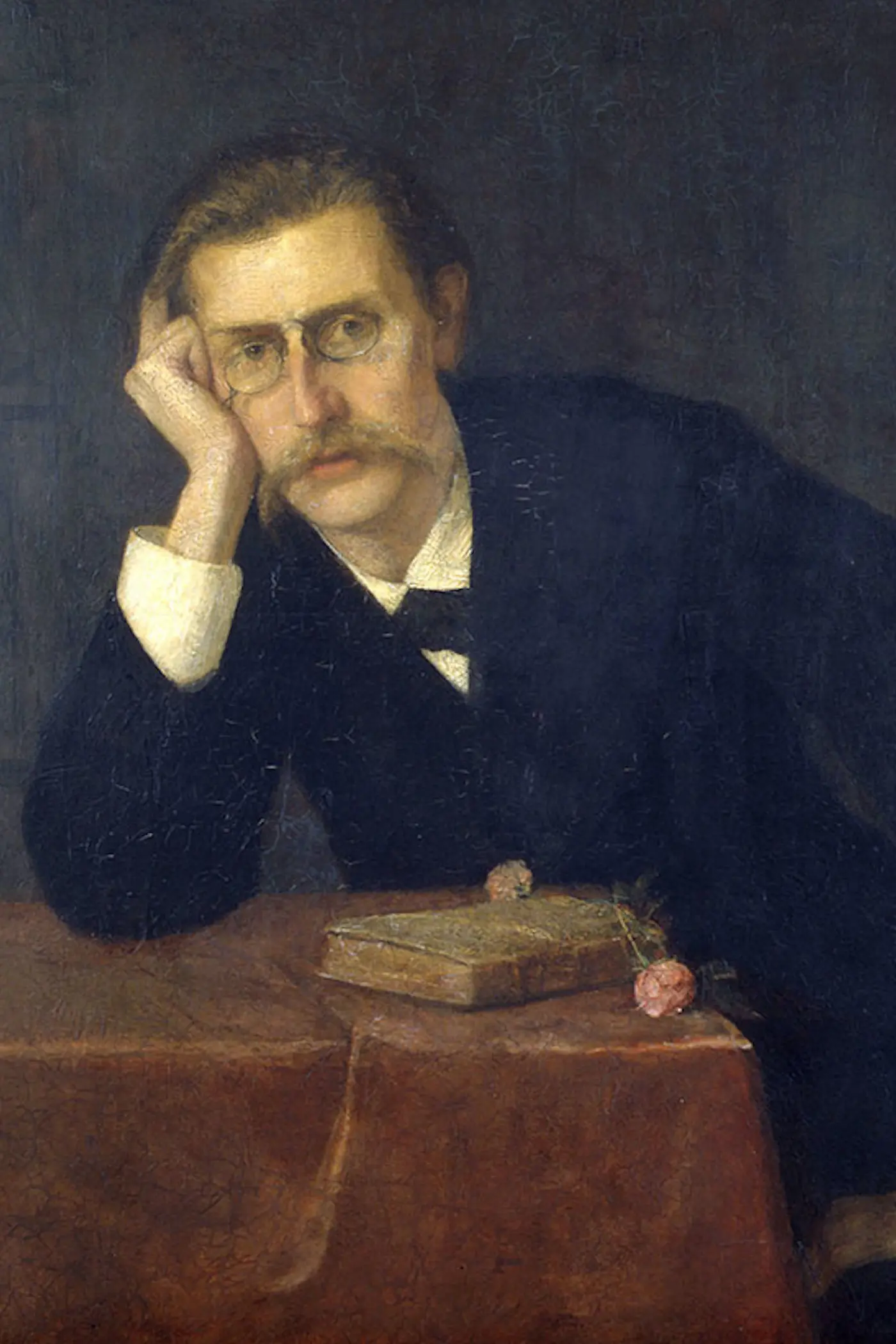
Niels Lyhne
What is Niels Lyhne about?
Niels Lyhne, an aspiring poet, is torn between the romanticism and faith of the old tradition, and modern notions of realism and reason. His relationship with different women, including his young aunt Edele, a free spirit of Copenhagen, and Mrs. Boye, a passionate artist, only lead him to further disillusionment as he searches for meaning in a rapidly changing world. Published in 1880, Niels Lyhne , Jacobsen’s second novel, was not as well received as his first, neither by reviewers nor the public. There wasn’t a second printing until after his death in 1885.
Main themes in Niels Lyhne
Atheism and loss of faith
In Niels Lyhne, atheism and loss of faith provides a lens for understanding the story's core message.
Aestheticism and beauty
Niels Lyhne thoughtfully explores aestheticism and beauty through its central conflicts.
Death and mortality
The theme of death and mortality weaves through Niels Lyhne, adding depth to its narrative.
Disillusionment
The presence of disillusionment in Niels Lyhne connects readers to its enduring relevance.
Why Niels Lyhne is still relevant today
Niels Lyhne profoundly influenced European literature, Rilke declaring it had formed him more than any other book. Jacobsen's exploration of atheism, aestheticism, and disillusionment anticipated modernist concerns while its psychological depth revolutionized Scandinavian fiction. This novel about a dreamer repeatedly disappointed by life asks what it means to live without religious consolation—a question that remains urgent. Readers seeking 19th-century fiction of unusual intensity and philosophical depth will find this Danish masterpiece rewarding.
Frequently Asked Questions
What is Niels Lyhne about?
Niels Lyhne follows a Danish dreamer from childhood through repeated disappointments in love, art, and faith. His atheism is tested by personal tragedies. The novel explores what it means to live without religious consolation, making it a key text of 19th-century freethought.
Why did Rilke admire this novel so much?
Rilke called Niels Lyhne his 'breviary' and said it formed him more than any other book. Jacobsen's prose style—precise, sensory, psychological—and themes of artistic aspiration and mortality deeply influenced Rilke's own development as a writer.
Is Niels Lyhne depressing?
The novel chronicles disappointments and ends in death, but its beauty of language and honesty about human experience make it profound rather than merely sad. Jacobsen treats his dreamer with sympathy even while showing his failures.
Why isn't Jacobsen better known in English?
Writing in Danish limited his immediate audience. His small output—two novels before dying at 38 of tuberculosis—reduced visibility. However, his influence on major writers like Rilke preserves his significance for literary history.
How does the novel treat atheism?
Niels commits to living without religious faith but finds this tested by suffering and death. The novel neither preaches atheism nor condemns it but honestly explores what such commitment costs. Its treatment of freethought was groundbreaking for its time.