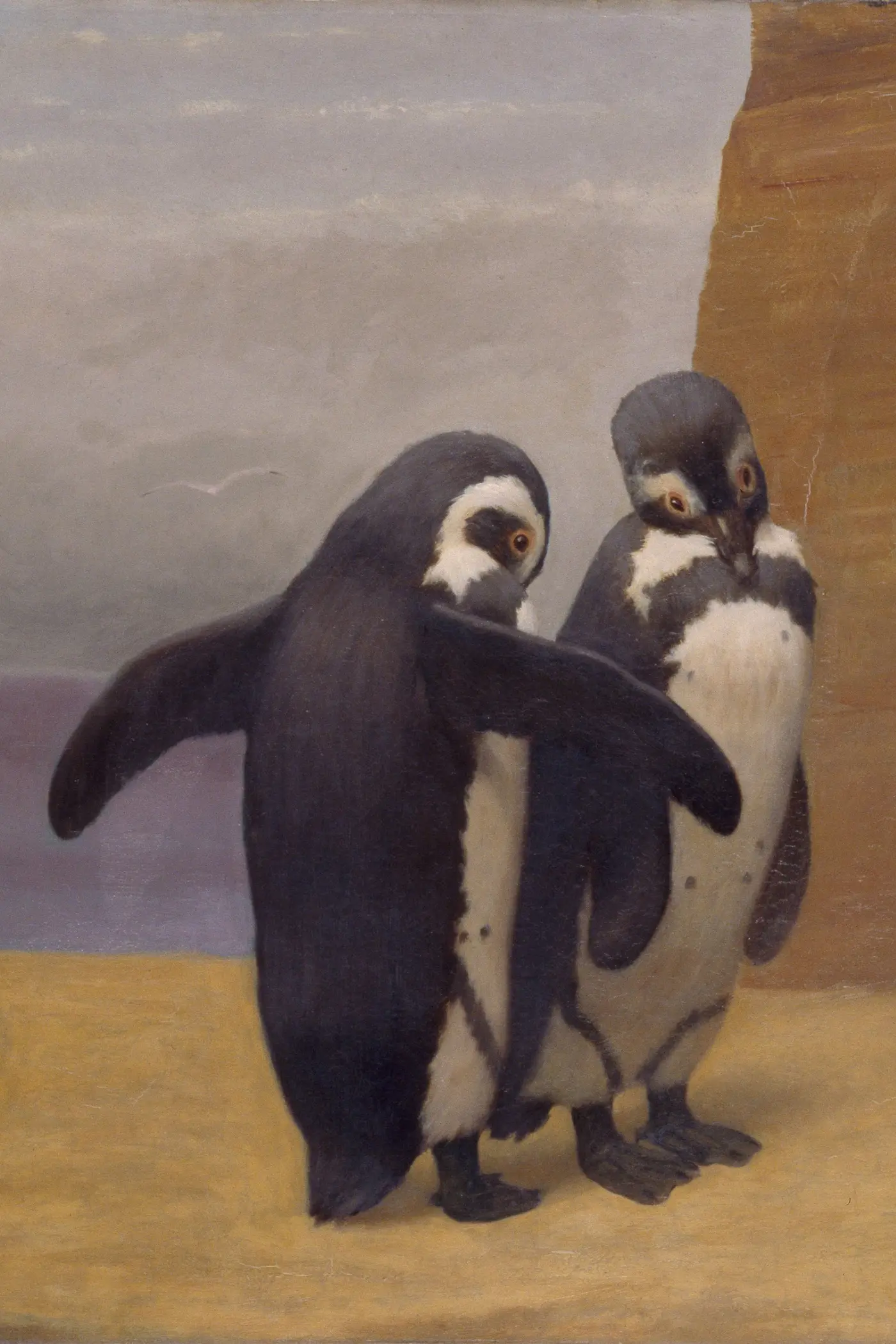
Penguin Island
What is Penguin Island about?
Penguin Island (1908) is Anatole France’s satirical novel recounting the fictional history of a civilization of penguins mistakenly baptized by a nearsighted monk. Through this absurd premise, France delivers a sweeping allegory of French history, lampooning the church, the military, politics, and social conventions from medieval times through modernity. The novel parodies historical episodes including the Dreyfus Affair and critiques nationalism, religious dogma, and the pretensions of civilization. Written with France’s characteristic ironic elegance, it is both a comic masterpiece and a biting commentary on human folly.
Main themes in Penguin Island
Satire
In Penguin Island, satire provides a lens for understanding the story's core message.
French history
In Penguin Island, french history provides a lens for understanding the story's core message.
Religious critique
The theme of religious critique weaves through Penguin Island, adding depth to its narrative.
Political allegory
The theme of political allegory weaves through Penguin Island, adding depth to its narrative.
Why Penguin Island is still relevant today
Penguin Island remains a brilliant satire whose targets—nationalism, religious hypocrisy, militarism, and political corruption—are perennially relevant. France’s allegorical approach influenced later satirists.
More by this author
Frequently Asked Questions
What is Penguin Island about?
A satirical novel using a fictional penguin civilization to allegorize French history, lampooning the church, military, politics, and social pretensions.
Is it difficult to read?
France’s prose is witty and accessible. TextStack’s clean reader makes it easy to enjoy.
Why is it considered important?
It is one of the great works of French satire, combining absurdist comedy with sharp political and social critique.
Can I read it free online?
Yes, the complete text is available free on TextStack.