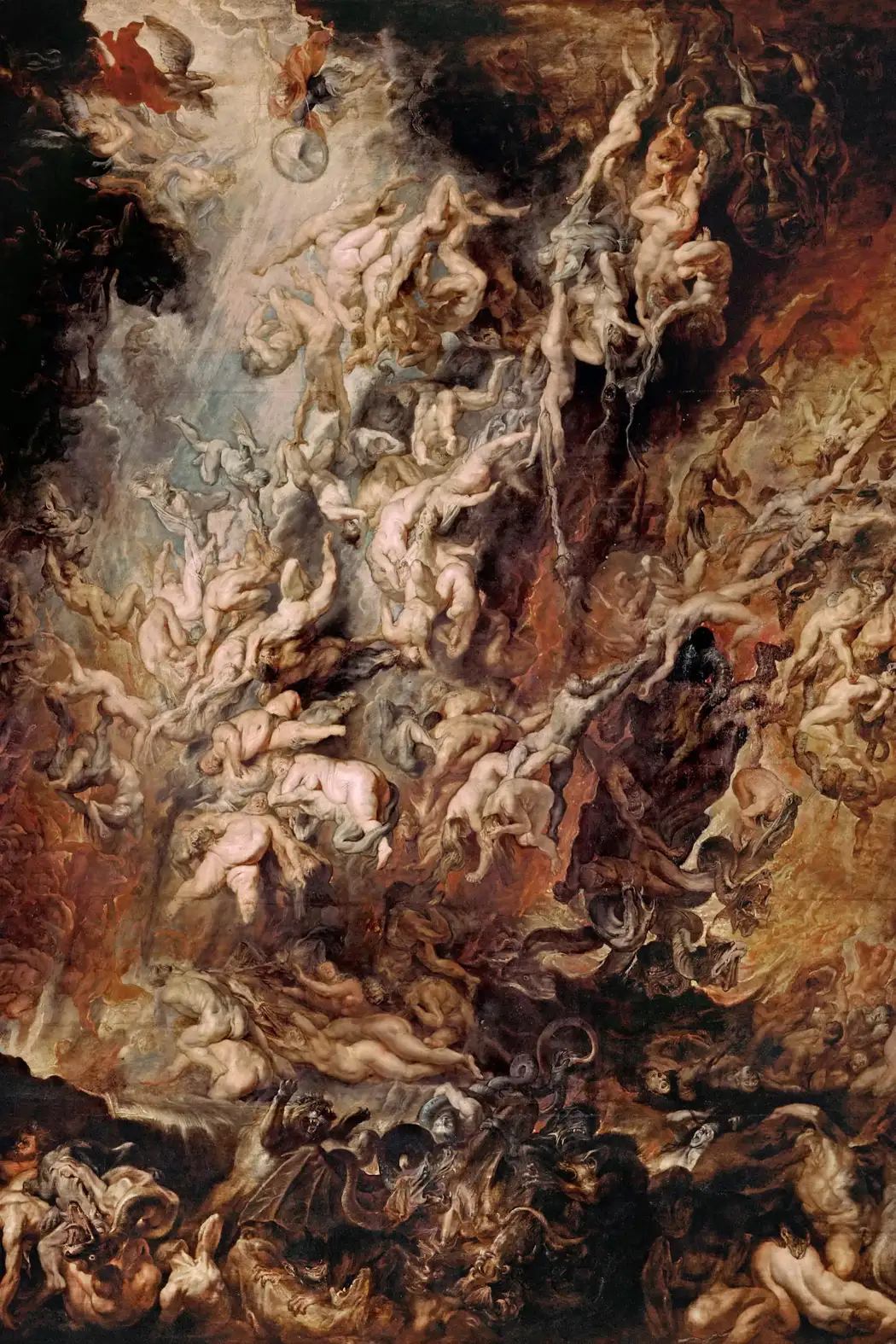
The Revolt of the Angels
What is The Revolt of the Angels about?
The Revolt of the Angels (1914) is Anatole France’s final novel, a satirical fantasy in which guardian angels in Paris become disillusioned with God and plot a celestial revolution. The angel Arcade, assigned to protect a young Parisian aristocrat, discovers modern science and philosophy, loses his faith, and recruits fellow angels for rebellion against heaven. The novel blends theological satire with social comedy, questioning divine authority, organized religion, and the nature of power. In its famous conclusion, the rebel leader Satan declines to overthrow God, recognizing that power corrupts any ruler.
Main themes in The Revolt of the Angels
Theological satire
The theme of theological satire weaves through The Revolt of the Angels, adding depth to its narrative.
Rebellion and power
Rebellion and power emerges as a defining element in The Revolt of the Angels, shaping character development.
Religious skepticism
In The Revolt of the Angels, religious skepticism provides a lens for understanding the story's core message.
French social comedy
In The Revolt of the Angels, french social comedy provides a lens for understanding the story's core message.
Why The Revolt of the Angels is still relevant today
The Revolt of the Angels offers a witty philosophical meditation on power, authority, and rebellion that resonates with modern debates about institutional authority. France’s satirical treatment of theology and politics remains provocative and entertaining.
More by this author
Frequently Asked Questions
What is The Revolt of the Angels about?
Guardian angels in Paris lose their faith, discover science, and plot a revolution against God. A satirical novel questioning divine authority and the corrupting nature of power.
Is it anti-religious?
It is a satirical critique of organized religion and blind obedience, written from France’s humanist perspective, not an attack on personal faith.
How long is it?
A relatively short novel, readable in a few sittings. TextStack’s chapter navigation makes it easy to read at your own pace.
Can I read it free?
Yes, the complete novel is available free on TextStack.