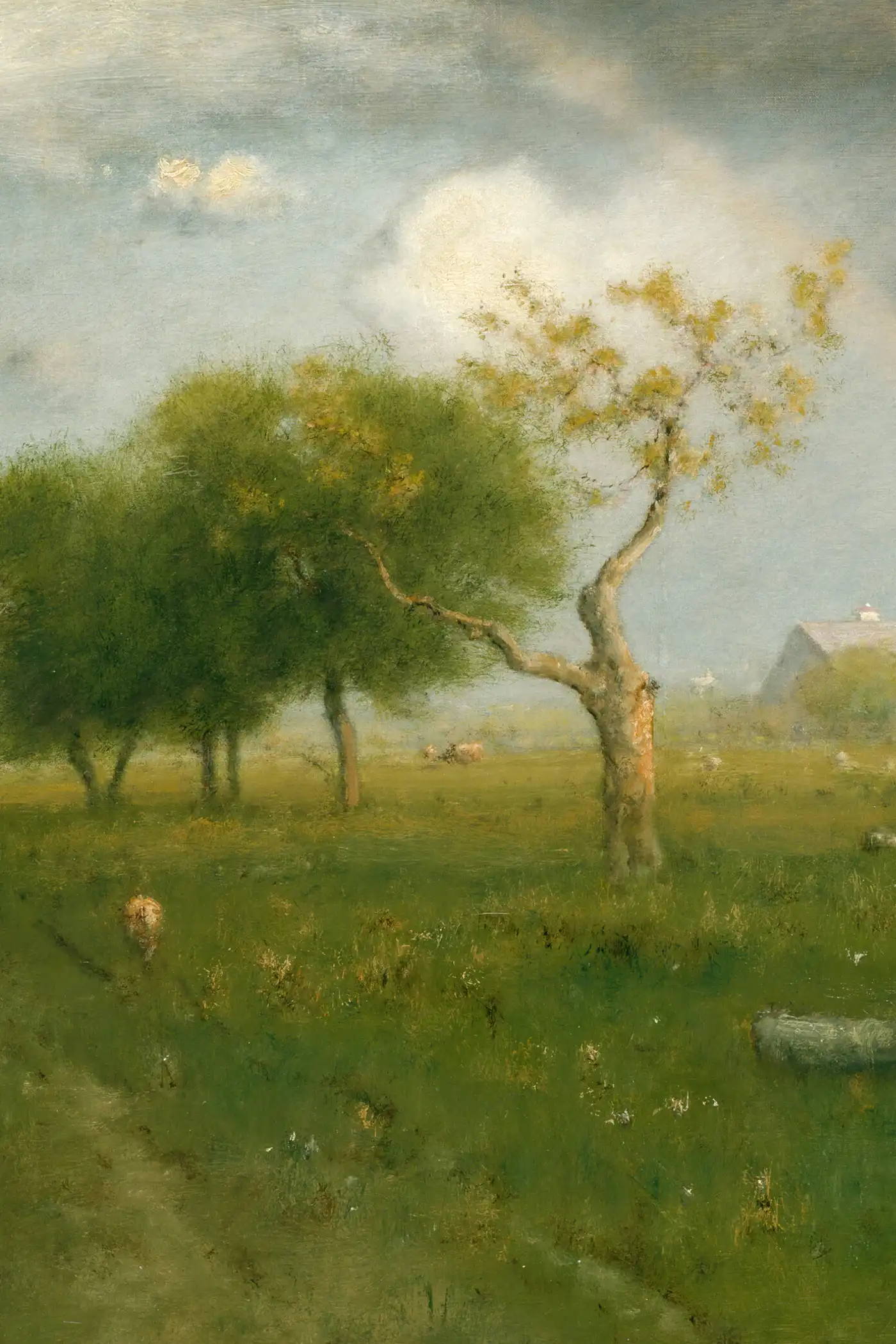
The Able McLaughlins
What is The Able McLaughlins about?
The Able McLaughlins (1923) is Margaret Wilson’s Pulitzer Prize-winning debut novel, set among a Scotch-Irish pioneer community on the Iowa prairie during and after the Civil War. The story centers on young Wully McLaughlin, who returns from the war to marry his cousin Chirstie—only to discover she is pregnant by another man. Wully’s determination to protect Chirstie and claim the child as his own sets in motion a drama of family loyalty, community judgment, and moral courage played out against the hard realities of frontier life. Wilson draws on her own Iowa childhood to create an authentic portrait of a tight-knit immigrant community where Presbyterian faith, clan bonds, and the demands of prairie agriculture shape every relationship. The novel’s unflinching treatment of sexual violence, community pressure, and women’s vulnerability was notably frank for its era.
Main themes in The Able McLaughlins
Pioneer Life
The presence of pioneer life in The Able McLaughlins connects readers to its enduring relevance.
Sexual Violence and Silence
The Able McLaughlins thoughtfully explores sexual violence and silence through its central conflicts.
Family Loyalty
The Able McLaughlins thoughtfully explores family loyalty through its central conflicts.
Scotch-Irish Immigration
The Able McLaughlins thoughtfully explores scotch-irish immigration through its central conflicts.
Why The Able McLaughlins is still relevant today
The Able McLaughlins offers an authentic, unsentimental view of American pioneer life rarely found in frontier fiction. Its treatment of sexual violence and women’s limited options in patriarchal communities anticipates later feminist reexaminations of frontier mythology.
Frequently Asked Questions
What is The Able McLaughlins about?
A young Civil War veteran returns to his Iowa pioneer community and marries his cousin to protect her from the shame of an assault, navigating family loyalty and moral courage. Read it free on TextStack.
Why did this novel win the Pulitzer Prize?
It won the 1924 Pulitzer for its authentic, unflinching portrayal of Scotch-Irish pioneer life in Iowa, though the award was controversial at the time.
Is the novel difficult to read?
The prose is straightforward and the story compelling. The period dialect adds flavor without obscuring meaning, making it accessible to modern readers.
How does this compare to other frontier novels?
Unlike romanticized frontier narratives, Wilson provides an honest, sometimes harsh portrait of pioneer women’s lives and the moral complexities of tight-knit immigrant communities.