The Adventures of Pinocchio
What is The Adventures of Pinocchio about?
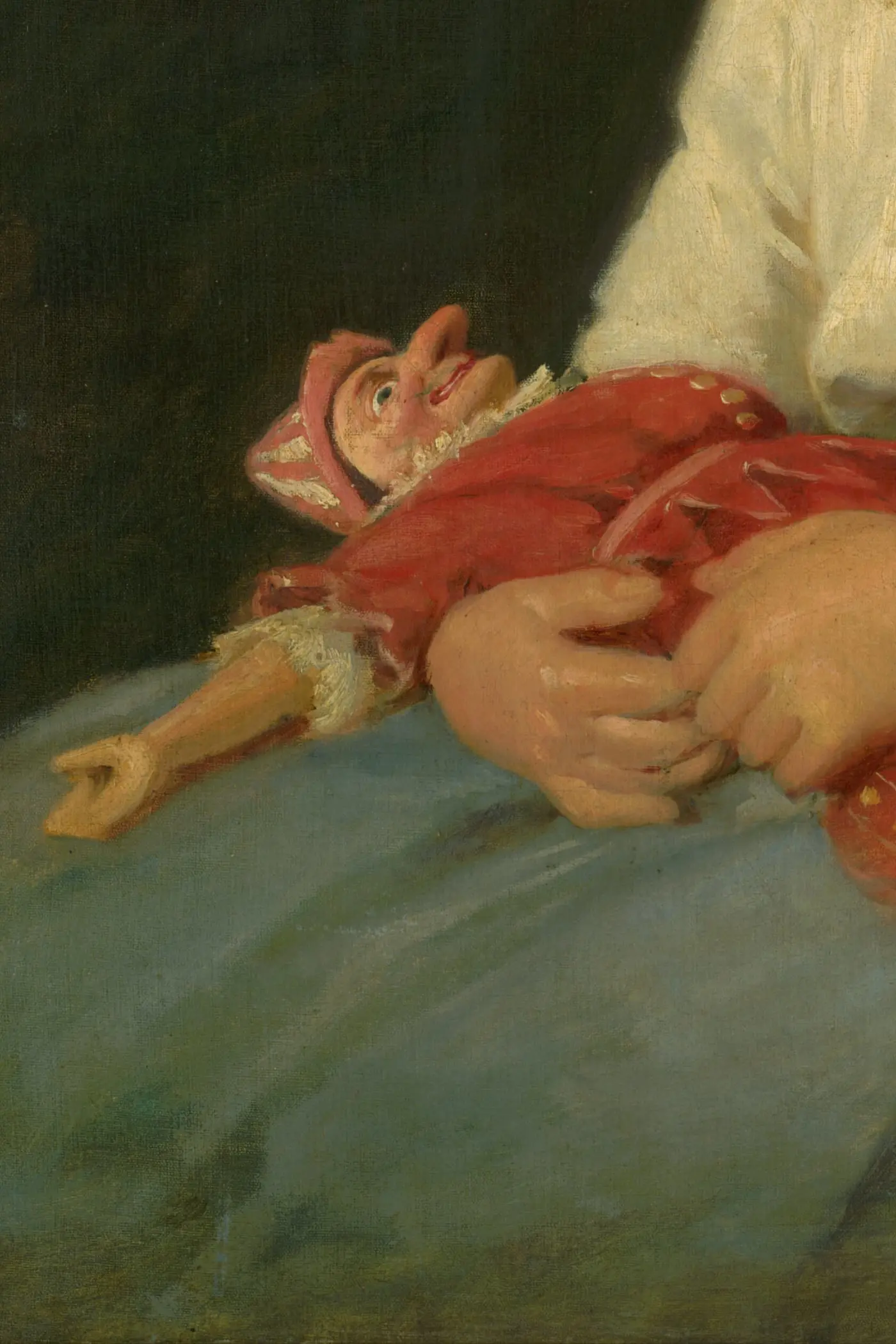
The Adventures of Pinocchio (1883) is Carlo Collodi's masterpiece, the story of a wooden puppet carved by Geppetto who comes to life and dreams of becoming a real boy. Originally serialized in an Italian children's newspaper, the story follows Pinocchio through a series of misadventures driven by his disobedience, gullibility, and refusal to attend school. He encounters con artists, is hanged by assassins, transformed into a donkey, and swallowed by a giant fish. Collodi's original is far darker and more morally complex than the famous Disney adaptation, serving as both a rollicking adventure and a sharp satire on the follies of childhood and Italian society.
Main themes in The Adventures of Pinocchio
Pinocchio
The Adventures of Pinocchio thoughtfully explores pinocchio through its central conflicts.
Italian Literature
The presence of italian literature in The Adventures of Pinocchio connects readers to its enduring relevance.
Moral Fable
In The Adventures of Pinocchio, moral fable provides a lens for understanding the story's core message.
Children's Classic
The theme of children's classic weaves through The Adventures of Pinocchio, adding depth to its narrative.
Why The Adventures of Pinocchio is still relevant today
The original Pinocchio is one of the great works of children's literature—darker, funnier, and more complex than most readers expect. It deserves to be read in its original form, not just known through adaptations.
Frequently Asked Questions
What is The Adventures of Pinocchio about?
A wooden puppet comes to life and endures wild adventures—cons, transformations, and dangers—before earning the right to become a real boy.
How is the book different from the Disney movie?
The original is much darker: Pinocchio is hanged, turned into a donkey, and faces real consequences. It is also sharper and more satirical.
Where can I read Pinocchio online?
You can read The Adventures of Pinocchio free on TextStack.