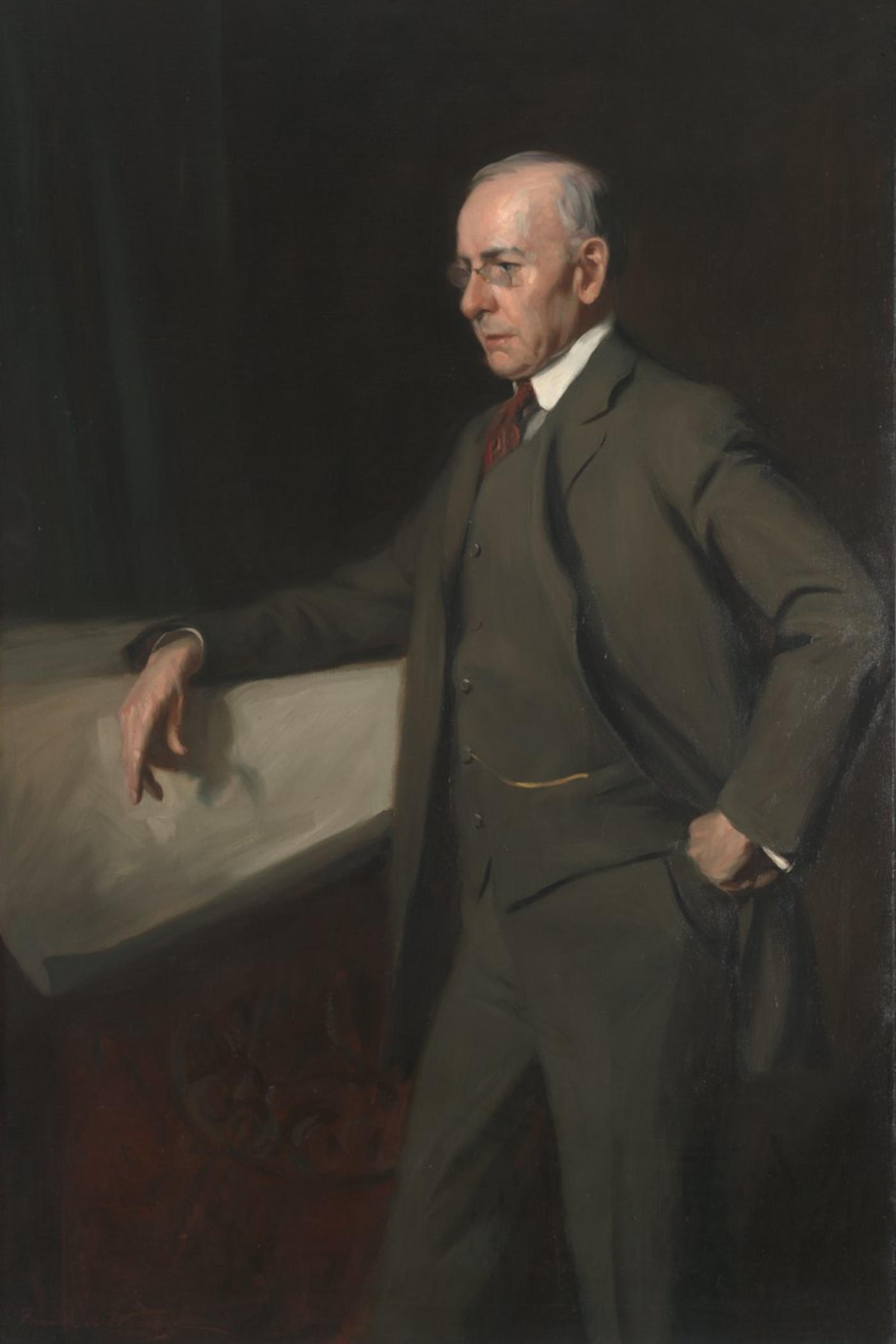
The Autobiography of an Idea
What is The Autobiography of an Idea about?
The Autobiography of an Idea (1924) is Louis Sullivan’s reflective memoir tracing the development of his architectural philosophy from childhood to maturity. Written in the third person, the work follows Sullivan’s intellectual journey from his early fascination with buildings and nature in Boston, through his education at MIT and the École des Beaux-Arts, to his transformative years in Chicago where he developed the principles that would revolutionize American architecture. Sullivan recounts the influences that shaped his thinking—the natural world, democratic ideals, the energy of post-fire Chicago—and articulates his vision of architecture as organic expression of human purpose. The book is both personal memoir and philosophical manifesto, arguing that architecture must serve democracy and human aspiration rather than mere commercial interest. Written in Sullivan’s characteristically eloquent prose during his final impoverished years, the work stands as one of the most important texts in American architectural literature.
Main themes in The Autobiography of an Idea
Architectural Philosophy
The theme of architectural philosophy weaves through The Autobiography of an Idea, adding depth to its narrative.
Creative Development
The Autobiography of an Idea thoughtfully explores creative development through its central conflicts.
American Modernism
American Modernism emerges as a defining element in The Autobiography of an Idea, shaping character development.
Democratic Architecture
The presence of democratic architecture in The Autobiography of an Idea connects readers to its enduring relevance.
Why The Autobiography of an Idea is still relevant today
The Autobiography of an Idea offers essential insight into the mind behind modern American architecture. For anyone interested in how buildings shape society and how design philosophy develops, Sullivan’s reflections provide a foundation that remains influential in architecture schools and design thinking worldwide.
Frequently Asked Questions
What is The Autobiography of an Idea about?
Sullivan’s memoir traces his intellectual development from childhood through his revolutionary career in Chicago, articulating the philosophy behind modern American architecture. Read it free on TextStack.
Why does Sullivan write in the third person?
Sullivan uses third-person narration to create distance and treat his life as a case study in how ideas develop—focusing on the evolution of thought rather than personal narrative.
Is this book only for architects?
No. While essential for architecture students, the book is accessible to anyone interested in creative thinking, American history, and how revolutionary ideas develop and face resistance.
What makes this autobiography important?
It provides the philosophical foundation for modern architecture directly from its creator, explaining the thinking behind “form follows function” and the democratic purpose of design.