The Bridge of San Luis Rey
What is The Bridge of San Luis Rey about?
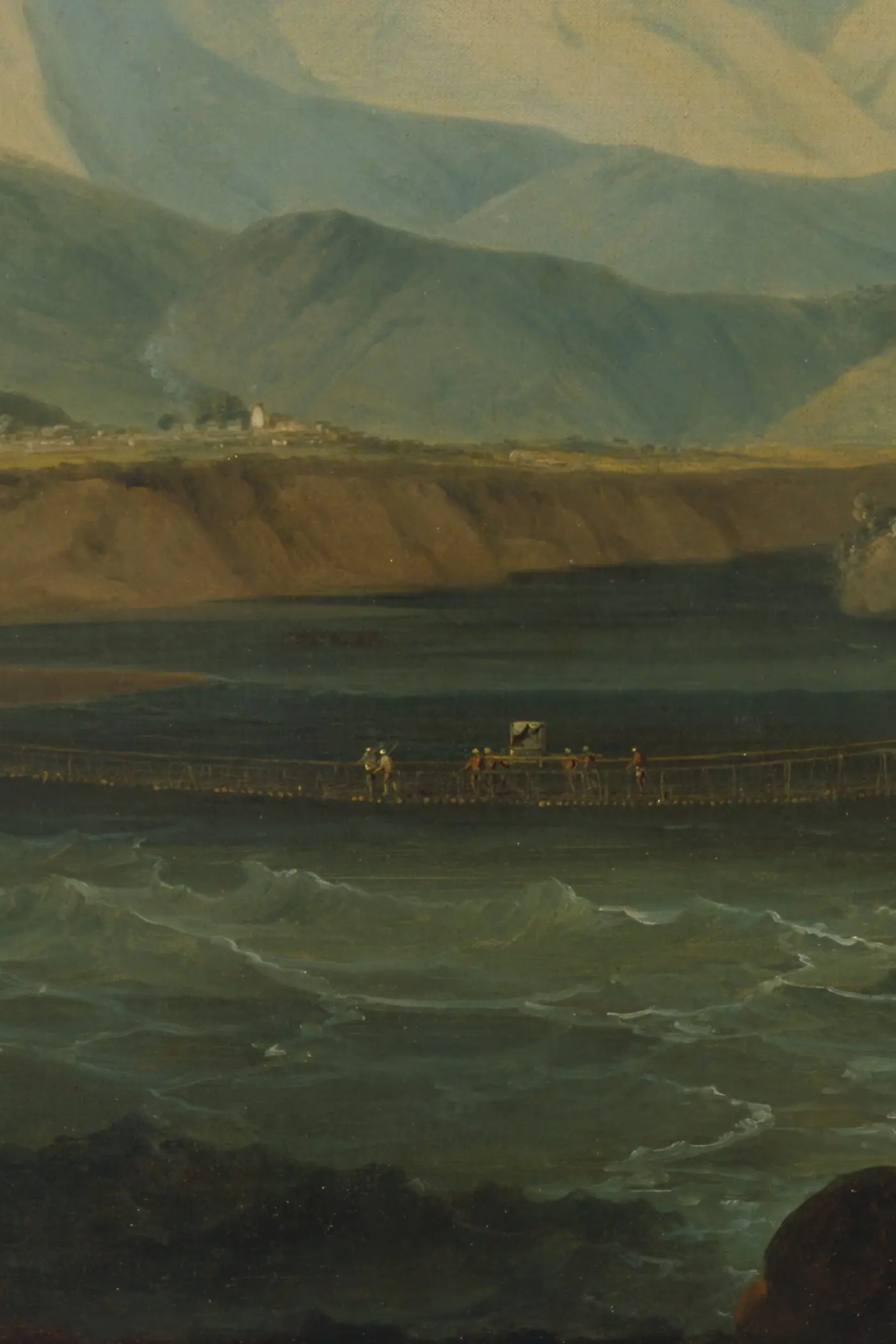
The Bridge of San Luis Rey (1927) is Thornton Wilder’s Pulitzer Prize-winning novel about fate, love, and the meaning of human connection. On July 20, 1714, a rope bridge collapses in Peru, sending five travelers to their deaths. Brother Juniper, a Franciscan monk who witnesses the disaster, sets out to prove that divine providence—not mere accident—determined which lives were cut short. Through five interwoven stories, Wilder explores the lives of those who died, examining the bonds of love that connected them and asking whether there is a pattern to human existence. The novel is a meditation on mortality, love, and meaning.
Main themes in The Bridge of San Luis Rey
Fate and providence
The presence of fate and providence in The Bridge of San Luis Rey connects readers to its enduring relevance.
Love and connection
In The Bridge of San Luis Rey, love and connection provides a lens for understanding the story's core message.
Mortality
The Bridge of San Luis Rey thoughtfully explores mortality through its central conflicts.
Meaning of life
The presence of meaning of life in The Bridge of San Luis Rey connects readers to its enduring relevance.
Why The Bridge of San Luis Rey is still relevant today
The Bridge of San Luis Rey remains one of the most beloved and widely read American novels. Its elegant exploration of fate, love, and the meaning of human life speaks to readers of every era.
Frequently Asked Questions
What is The Bridge of San Luis Rey about?
When a bridge collapses killing five people in colonial Peru, a monk investigates whether divine providence determined who died—revealing five interconnected stories of love.
Did The Bridge of San Luis Rey win the Pulitzer?
Yes, it won the Pulitzer Prize for the Novel in 1928.
Is The Bridge of San Luis Rey difficult to read?
It is short, beautifully written, and highly accessible. One of the most rewarding short novels in American literature.
Where can I read The Bridge of San Luis Rey free?
You can read the full text free on TextStack.