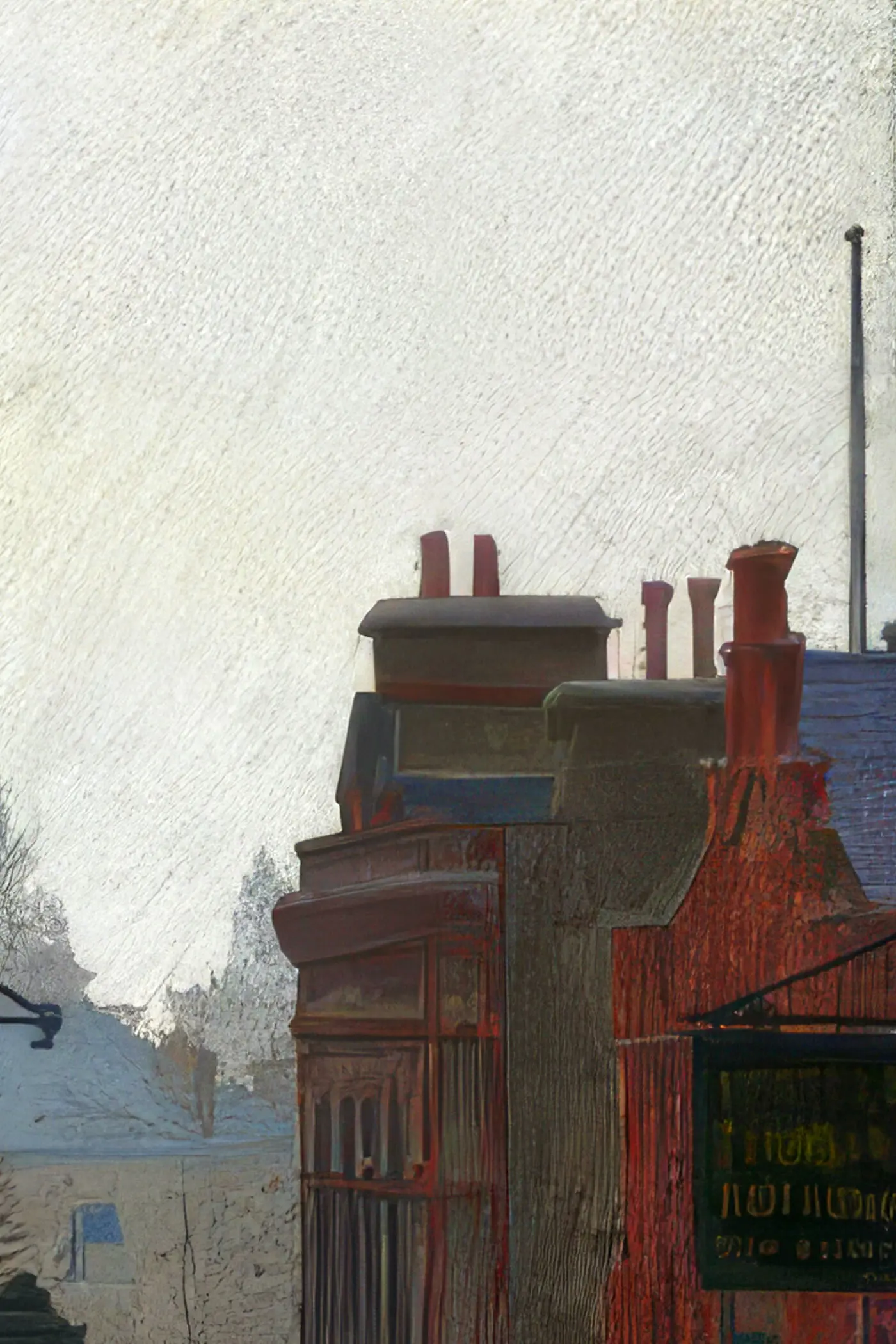
The Clue of the Twisted Candle
What is The Clue of the Twisted Candle about?
The Clue of the Twisted Candle (1916) is a crime thriller by prolific British author Edgar Wallace, featuring government investigator T.X. Meredith and his efforts to unravel a conspiracy surrounding the enigmatic Greek financier Kara. The novel opens with writer John Lexman arriving home on a stormy night, setting in motion a chain of events that includes murder, false accusation, and imprisonment. When Lexman is convicted of killing Kara, his wife Grace and Meredith refuse to accept the verdict, pursuing leads that stretch from English country houses to the prisons of Albania. The "twisted candle" of the title emerges as a physical cipher concealing critical evidence, a device typical of Wallace's inventive plotting. The novel moves at considerable pace, shifting between drawing-room intrigue and international adventure. Wallace wrote more than 170 novels during his career and was among the most widely read English-language authors of the early twentieth century. The Clue of the Twisted Candle exemplifies his formula: a wronged protagonist, a resourceful investigator, and a villainous schemer undone by a single overlooked detail.
Main themes in The Clue of the Twisted Candle
False accusation and wrongful conviction
The presence of false accusation and wrongful conviction in The Clue of the Twisted Candle connects readers to its enduring relevance.
Hidden evidence and cryptographic clues
The presence of hidden evidence and cryptographic clues in The Clue of the Twisted Candle connects readers to its enduring relevance.
Justice and institutional failure
The presence of justice and institutional failure in The Clue of the Twisted Candle connects readers to its enduring relevance.
Loyalty and marital devotion
The theme of loyalty and marital devotion weaves through The Clue of the Twisted Candle, adding depth to its narrative.
Why The Clue of the Twisted Candle is still relevant today
Edgar Wallace's influence on the thriller and detective genres remains substantial. His narrative techniques — the sympathetic wrongly convicted man, the dogged investigator, the hidden-in-plain-sight clue — became templates that later crime writers and screenwriters adopted widely. The Clue of the Twisted Candle reflects Edwardian anxieties about foreign influence, the reliability of the justice system, and class mobility, themes that continue to surface in contemporary crime fiction. For readers interested in the roots of the modern thriller, Wallace provides a direct line from Victorian sensation fiction to the paperback crime novel. The book is in the public domain and available to read free of charge on TextStack, making it accessible to students of genre history, Wallace enthusiasts, and general readers looking for a fast-paced early twentieth-century mystery.
More by this author


Frequently Asked Questions
What is The Clue of the Twisted Candle about?
The Clue of the Twisted Candle follows government investigator T.X. Meredith as he works to exonerate writer John Lexman, who has been convicted of murdering the scheming financier Kara. The plot centers on a physical cipher — a twisted candle — that conceals the evidence needed to expose the real truth behind the crime.
Is The Clue of the Twisted Candle difficult to read?
No. Edgar Wallace wrote for a mass popular audience, and his prose is direct and fast-moving. The novel requires no specialist knowledge and is suitable for any reader comfortable with early twentieth-century English.
How long does it take to read The Clue of the Twisted Candle?
The novel is a relatively short thriller of around 60,000 words. Most readers complete it in three to five hours. It is available to read online for free on TextStack, which tracks your reading progress so you can resume where you left off.
What are the main themes in The Clue of the Twisted Candle?
The novel's central themes include false accusation and wrongful conviction, the concealment and discovery of evidence, the limits of institutional justice, and spousal loyalty under extreme pressure. Wallace also draws on period anxieties about foreign influence through the character of Kara.