Edgar Wallace
Biography
Edgar Wallace (1875–1932) was an English writer who became one of the most popular and prolific authors of the early 20th century. Born in Greenwich, London, he was adopted by a fish porter and grew up in poverty. He served in the army in South Africa, then became a journalist. His first thriller, The Four Just Men (1905), launched a career that produced over 170 novels, 18 stage plays, and 957 short stories. Wallace was phenomenally productive — at his peak, one in four books sold in England was written by him. His works span crime fiction, mystery, thriller, and adventure, featuring recurring characters like the Four Just Men and Mr. J. G. Reeder. He also wrote the original screenplay for King Kong (1933), though he died before the film was completed. Wallace's fast-paced, plot-driven stories helped define the modern thriller genre.
Common themes in Edgar Wallace's work
Crime fiction
A recurring theme throughout Edgar Wallace's writing.
Thriller
A recurring theme throughout Edgar Wallace's writing.
Mystery
A recurring theme throughout Edgar Wallace's writing.
Vigilante justice
A recurring theme throughout Edgar Wallace's writing.
Books

Blue Hand

Terror Keep
The Melody of Death
Kate Plus 10

The Clue of the Twisted Candle

The Man Who Knew

The Door with Seven Locks

Room 13

The Avenger
The Clue of the New Pin

The Square Emerald

The Just Men of Cordova

The Secret House
The Mind of Mr. J. G. Reeder

The Council of Justice
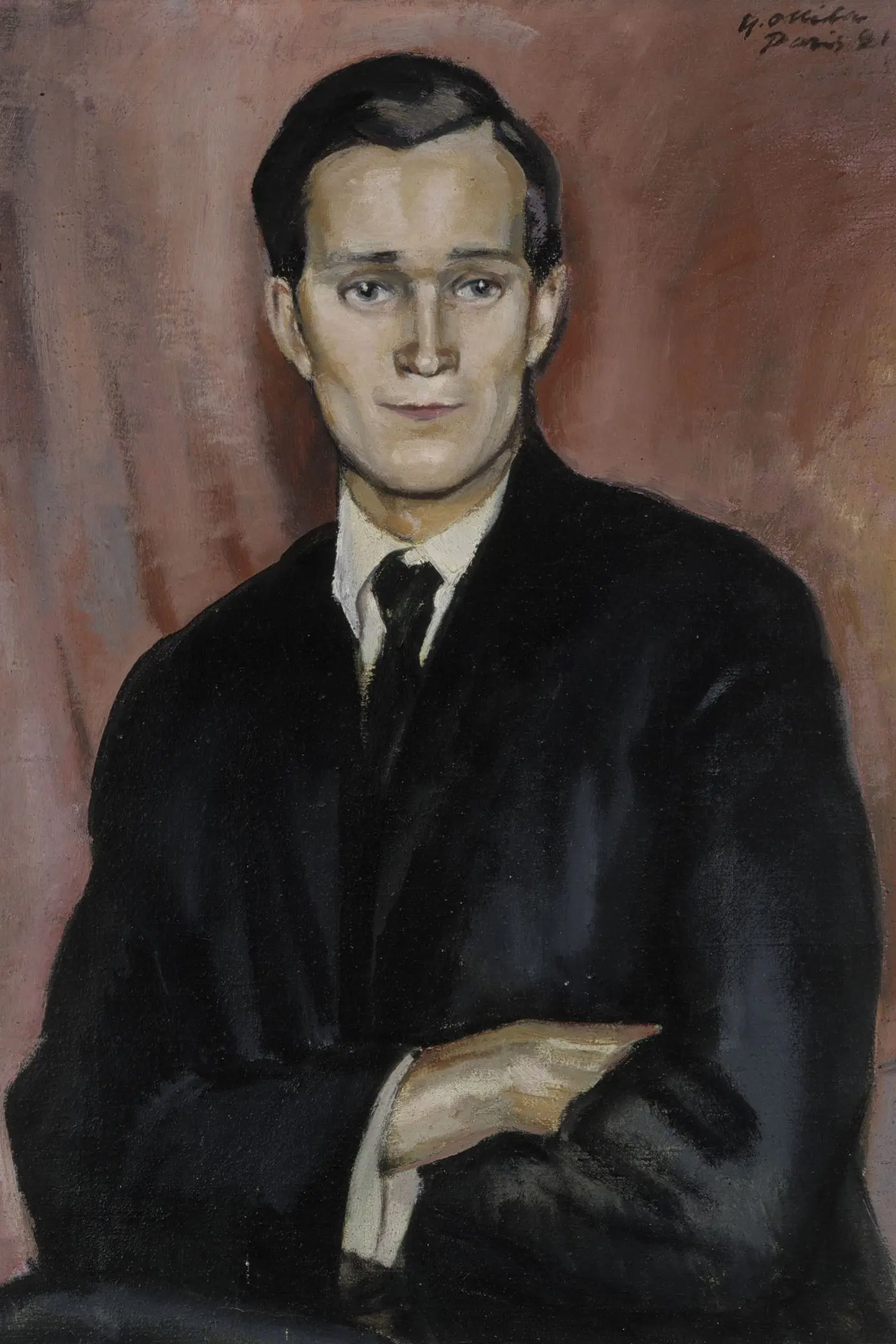
The Crimson Circle

The Four Just Men
The Law of the Four Just Men

The Three Just Men
Explore by genre
Other authors you may enjoy

Why Edgar Wallace is still read today
Edgar Wallace was once the world's bestselling author, and his contribution to the thriller genre remains significant. He wrote the original screenplay for King Kong and influenced generations of crime writers. His prolific output and mastery of suspense make him a fascinating figure in literary history.
Frequently Asked Questions
Who was Edgar Wallace?
Edgar Wallace (1875–1932) was an enormously popular English thriller writer who produced over 170 novels. At his peak, one in four books sold in England was his. He also wrote the original King Kong screenplay. Read his works free on TextStack.
What are his most famous works?
The Four Just Men series, the Mr. J. G. Reeder stories, The Crimson Circle, and The Door with Seven Locks. He also co-created King Kong.
Where should I start with Edgar Wallace?
The Four Just Men (1905) is his landmark debut. The Mind of Mr. J. G. Reeder is his most beloved collection. All available free on TextStack.
Essential cookies keep you signed in and save your reading progress. Analytics cookies help us understand how the site is used. You can reject analytics — we still work without them. Learn more in our Privacy Policy.