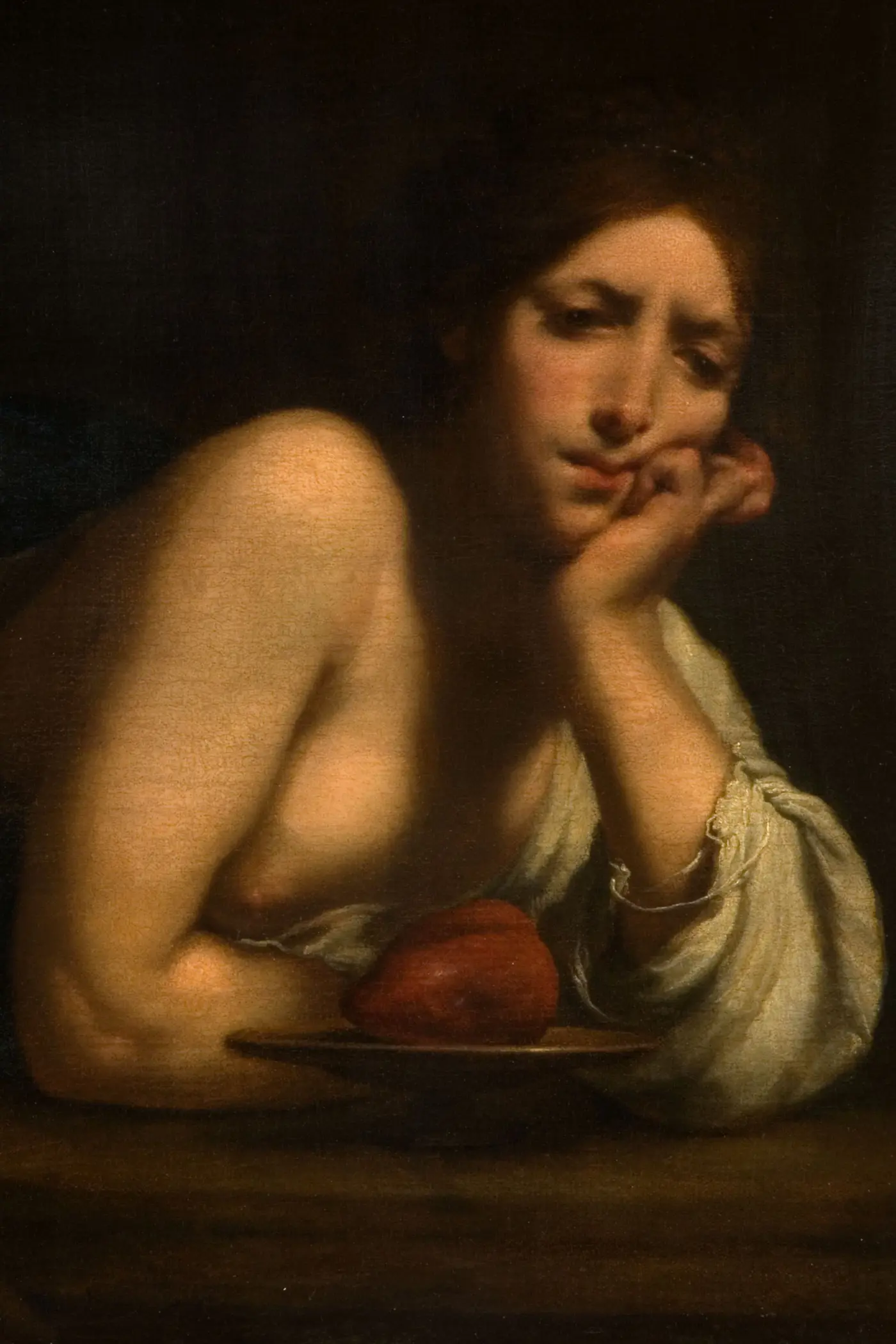
The Decameron
What is The Decameron about?
The Decameron by Giovanni Boccaccio is a masterpiece of medieval literature and a foundational work of European storytelling. Written between 1348 and 1353 during the Black Death, this collection frames 100 tales told by ten young Florentines who flee plague-ravaged Florence to a countryside villa. Over ten days, they share stories ranging from bawdy comedies and clever tricks to tragic romances and moral fables. Boccaccio's vivid characters, witty dialogue, and frank treatment of human desires influenced Chaucer, Shakespeare, and countless others. This celebration of human resilience, cleverness, and appetite for life offers both entertainment and a fascinating window into medieval Italian society.
Main themes in The Decameron
Storytelling and narrative art
The presence of storytelling and narrative art in The Decameron connects readers to its enduring relevance.
Love and desire
The presence of love and desire in The Decameron connects readers to its enduring relevance.
Social satire
The presence of social satire in The Decameron connects readers to its enduring relevance.
Fortune and wit
Fortune and wit emerges as a defining element in The Decameron, shaping character development.
Why The Decameron is still relevant today
The Decameron is one of the foundational works of European prose fiction, Boccaccio's hundred tales establishing narrative frameworks that persist in literature today. Its frank treatment of sexuality, social satire, and human nature offered a secular counterpoint to medieval religious literature, anticipating Renaissance humanism. The frame narrative of young people fleeing plague to tell stories has acquired new resonance in our own times of pandemic. Readers seeking the roots of storytelling tradition will find wit, desire, and humanity in these tales.
Frequently Asked Questions
What is the Decameron about?
The Decameron consists of 100 tales told by ten young Florentines who flee to the countryside during the Black Death of 1348. Over ten days, each person tells one story daily on assigned themes, ranging from bawdy comedy to tragic romance.
How explicit is the Decameron?
Many tales involve frank sexuality, clever adultery, and ribald humor. Boccaccio treats desire as natural and often comic. Some stories shocked moral authorities and were censored. Modern readers find them frank but not pornographic.
How did the Decameron influence literature?
Boccaccio's frame narrative and storytelling techniques influenced countless writers. Chaucer drew directly on his tales for The Canterbury Tales. Shakespeare adapted several stories. The work helped establish prose fiction as a serious literary form.
Is the Decameron difficult to read?
The tales are generally accessible and entertaining. Modern translations read smoothly. The episodic structure allows reading in segments. Some tales are more complex than others, but the collection overall balances sophistication with entertainment.
Why is the plague frame narrative significant?
The Black Death killed perhaps half of Florence's population in 1348. Storytelling offers the young people escape and human connection amid catastrophe. This frame resonates whenever communities face crisis and turn to narrative for consolation and meaning.