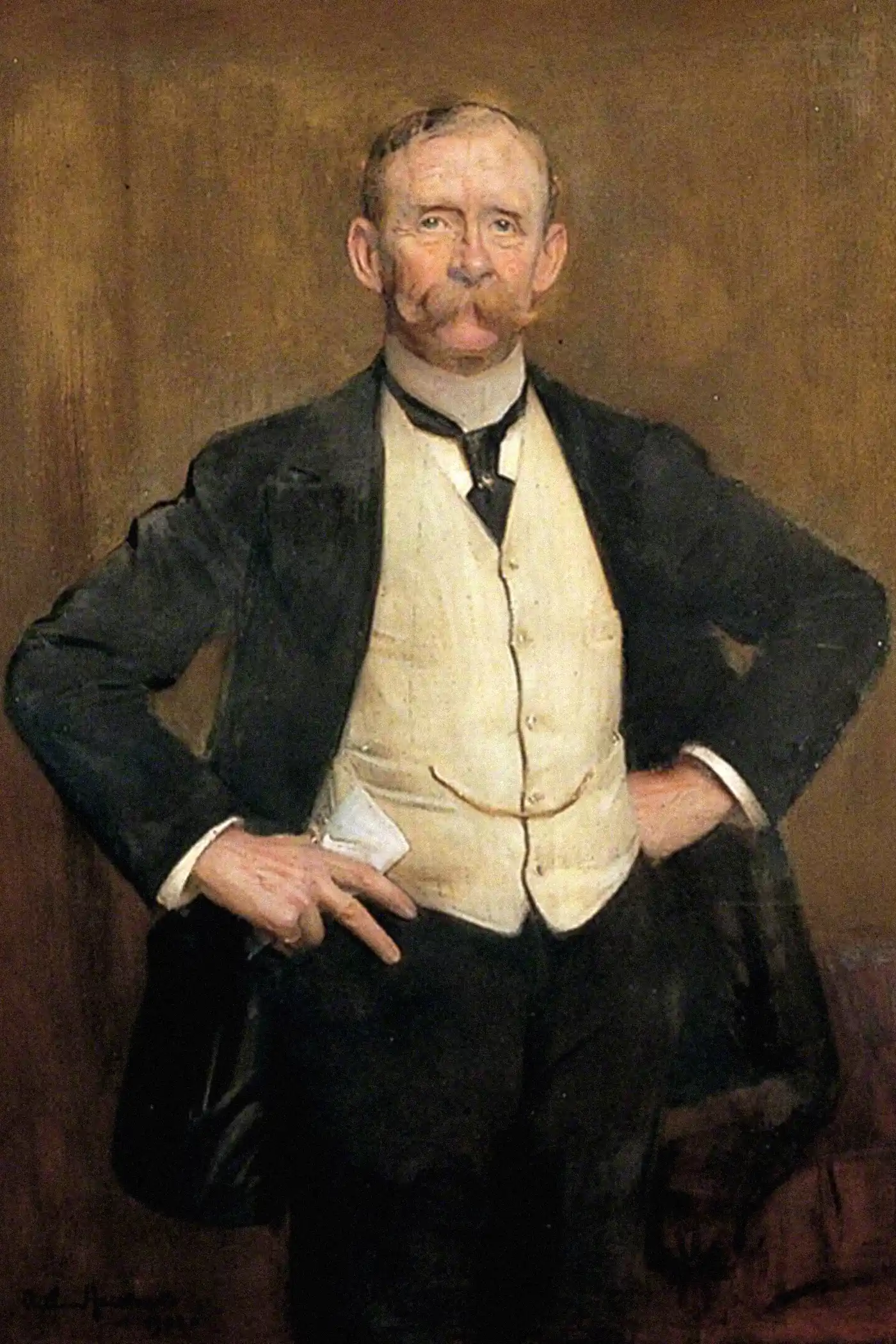
The History of Mr. Polly
What is The History of Mr. Polly about?
This work by H. G. Wells was first published in 1910. In contrast to Wells’ early speculative fiction works like The Time Machine , this is a comic novel set in the everyday world of the late Victorian and early Edwardian era in England. Despite the less than happy life-story of Mr. Polly, it is an amusing book, enlivened by Polly’s inventive attitude towards the English language. Alfred Polly’s mother dies when he is only seven, and he is brought up by his father and a stern aunt. He is indifferently educated, and leaves school in his early teens to be employed as a draper’s assistant. As the years pass, he finds himself more and more disenchanted with his occupation, but it is too late to change it. Eventually his father dies and leaves him a legacy which may be enough to set up in business for himself. He sets up his own shop in a small town and stumbles into an unhappy marriage. The business is not profitable, and in his middle-age, unhappy and dyspeptic, Mr. Polly comes up with an idea to bring an end to his troubles. Things, however, do not go as he planned, and lead to an unexpected result. Wells’ later work often displays his passion for social reform. Here, that passion is less obvious, but nevertheless he demonstrates his sympathy for middle-class people raised like Mr. Polly with but a poor education and trapped into either dead-end jobs or in failing retail businesses. The History of Mr. Polly was well-received by critics at the time of publication and was subsequently made into both a film and two different BBC television serials.
Main themes in The History of Mr. Polly
Escape and freedom
Escape and freedom emerges as a defining element in The History of Mr. Polly, shaping character development.
Small business life
The theme of small business life weaves through The History of Mr. Polly, adding depth to its narrative.
Dyspepsia and disposition
Dyspepsia and disposition emerges as a defining element in The History of Mr. Polly, shaping character development.
Romantic imagination
The History of Mr. Polly thoughtfully explores romantic imagination through its central conflicts.
Why The History of Mr. Polly is still relevant today
The History of Mr. Polly is Wells's most lovable novel, following a dreamy shopkeeper who escapes his miserable life. Polly's indigestion, failed business, and eventual idyllic happiness create gentle comedy with philosophical depth. The novel celebrates escape from convention into authentic living.
More by this author
Frequently Asked Questions
What is The History of Mr. Polly about?
Alfred Polly, a dreamy, dyspeptic shopkeeper trapped in a loveless marriage and failing business, fakes his death and escapes to find happiness as a handyman at a country inn. The novel celebrates his liberation.
Is Mr. Polly a comic novel?
Yes, warmly comic—Polly's malapropisms, indigestion, and romantic imagination create affectionate humor. But the comedy has serious undertones about wasted lives and the courage to change.
What does Mr. Polly escape from?
Polly escapes a loveless marriage, a failing shop, and the respectable misery of lower-middle-class convention. His escape represents Wells's belief that life can be remade through courage.
How does The History of Mr. Polly end?
Polly finds peace at the Potwell Inn, defending the kindly innkeeper from her villainous uncle. His simple happiness validates his escape. The ending is genuinely joyful.