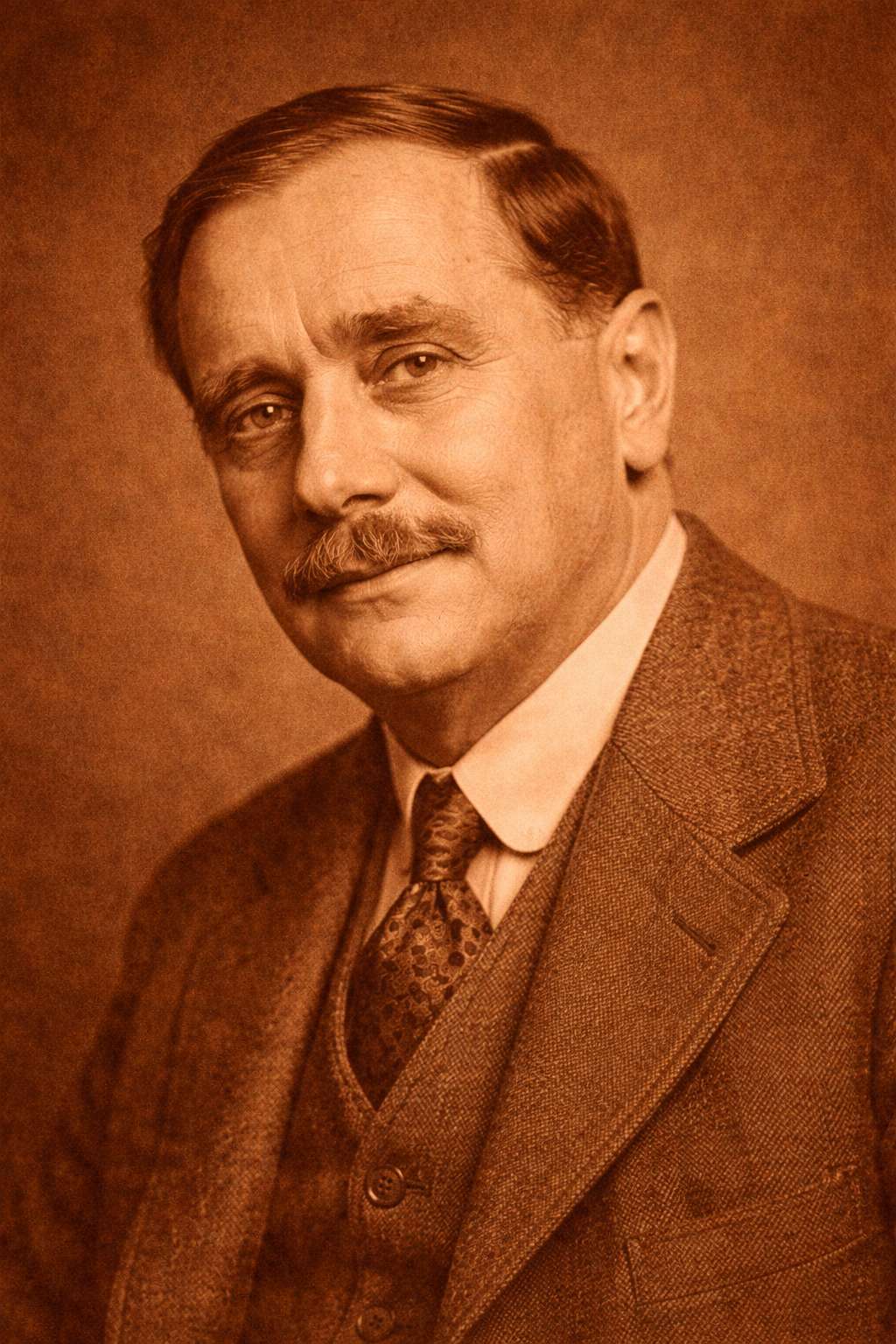
H. G. Wells
Biography
Herbert George Wells (1866–1946) was an English writer whose prolific output spanned science fiction, social commentary, history, and political advocacy. Born in Bromley, Kent, to a lower-middle-class family, Wells received a fragmented early education before winning a scholarship to the Normal School of Science in South Kensington, where he studied biology under Thomas Henry Huxley. Huxley's influence on Wells's understanding of evolution and natural selection would permeate his literary work throughout his career. Wells published his first novel, The Time Machine, in 1895. This narrative of a Victorian inventor who travels to the year 802,701 established many conventions of the science fiction genre and introduced speculative extrapolation grounded in scientific principles as a literary method. In rapid succession, Wells produced The Island of Doctor Moreau (1896), a study of vivisection and the boundaries between human and animal; The Invisible Man (1897), exploring the psychological consequences of scientific power without accountability; and The War of the Worlds (1898), depicting a Martian invasion of England that served as an implicit commentary on British imperialism. Beyond his scientific romances, Wells was a committed social thinker. His novels Kipps (1905) and The History of Mr Polly (1910) offered sharp depictions of English class structures, while Tono-Bungay (1909) satirized Edwardian commerce and social mobility. His nonfiction work The Outline of History (1920) became an international bestseller, presenting a unified narrative of human civilization. Wells was a member of the Fabian Society and an advocate for world governance, free education, and scientific planning. He met with world leaders including Franklin Roosevelt and Joseph Stalin to discuss global reform. His later works, including The Shape of Things to Come (1933), continued to blend speculative fiction with political argument. Wells published more than fifty novels alongside numerous short stories, essays, and works of popular science. He died in London in August 1946. His early scientific romances established foundational tropes and narrative structures that shaped the development of science fiction as a literary genre throughout the twentieth century.
Common themes in H. G. Wells's work
Scientific imagination
A recurring theme throughout H. G. Wells's writing.
Social criticism
A recurring theme throughout H. G. Wells's writing.
Evolutionary futures
A recurring theme throughout H. G. Wells's writing.
Class and mobility
A recurring theme throughout H. G. Wells's writing.
Books
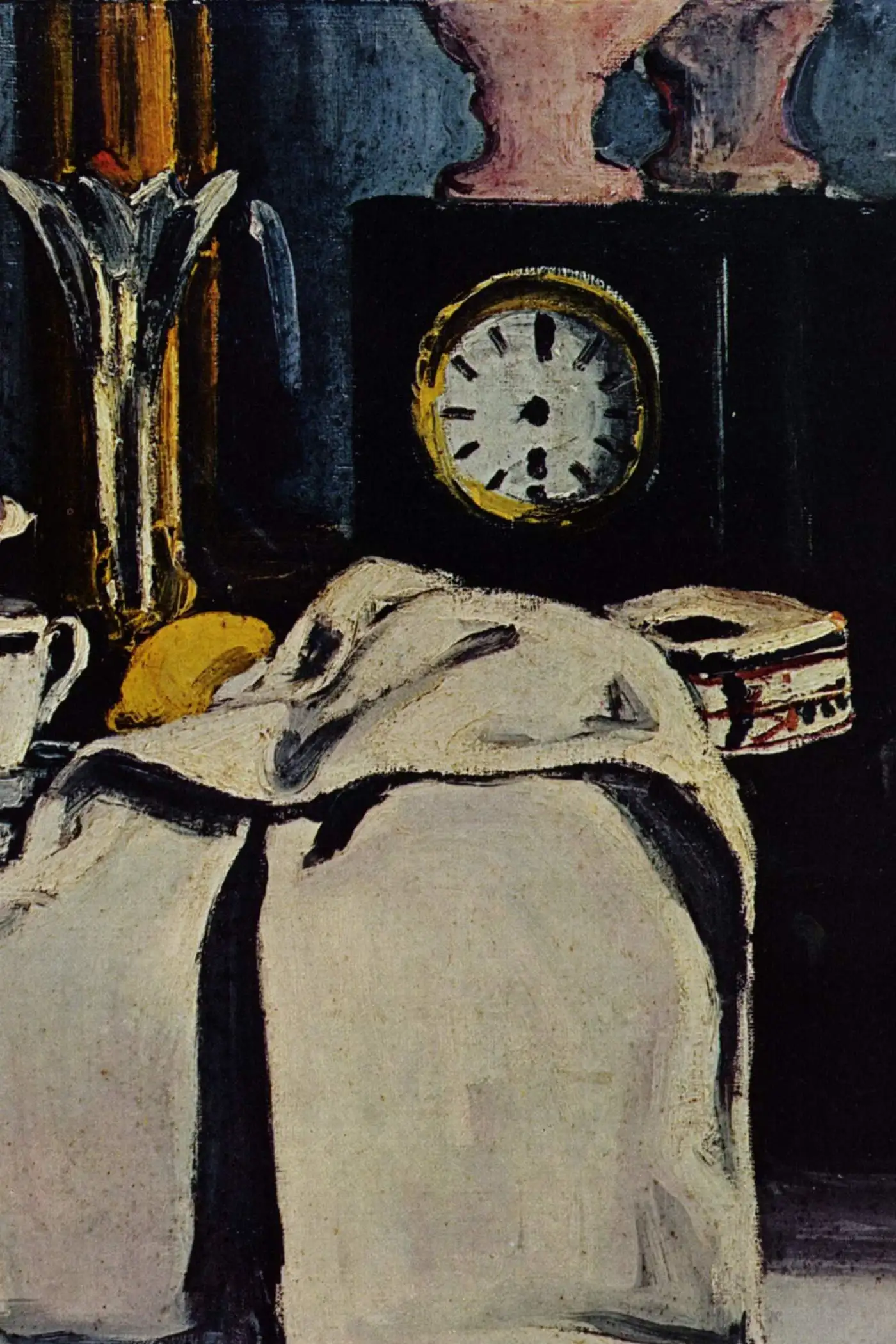
The Time Machine
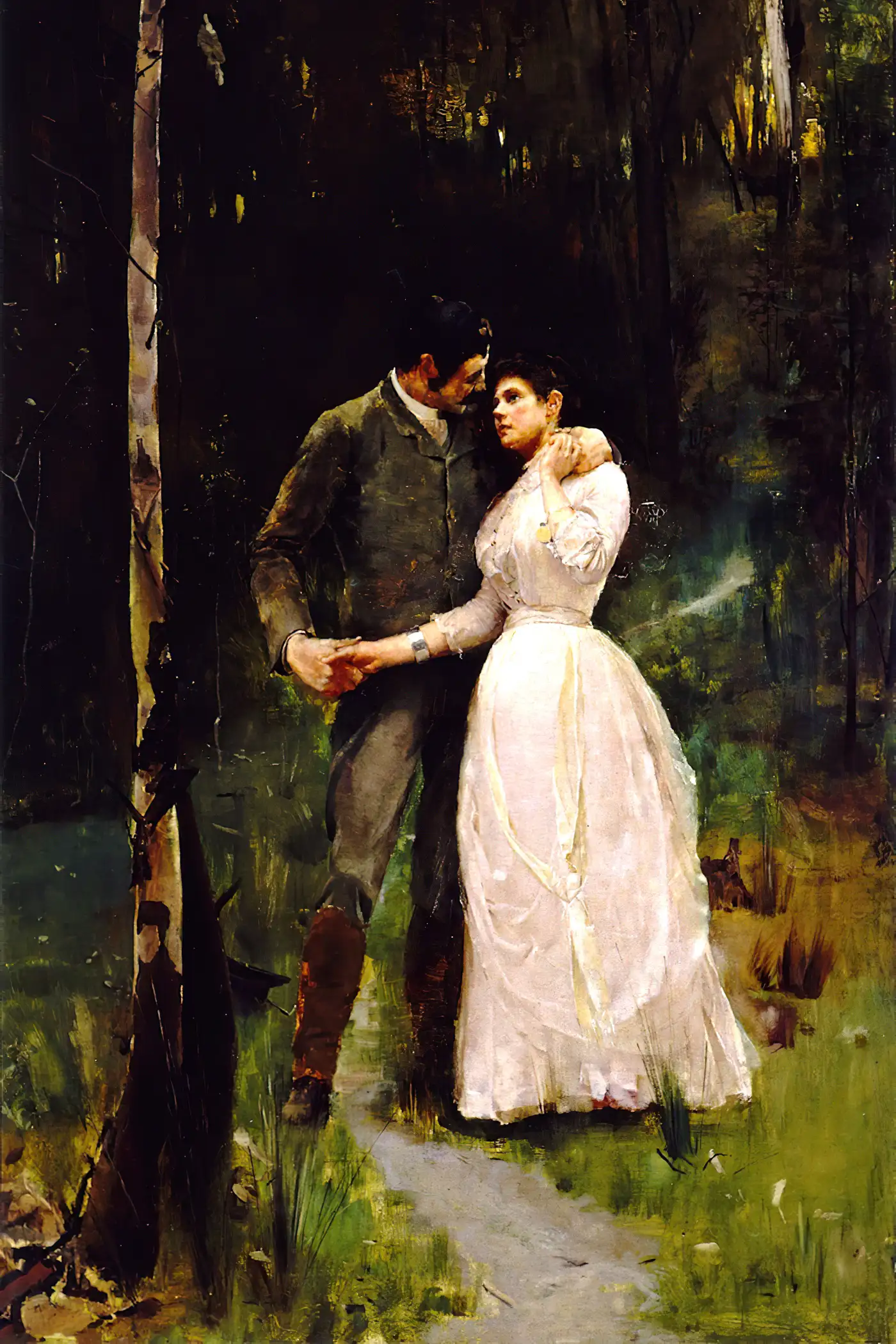
Kipps
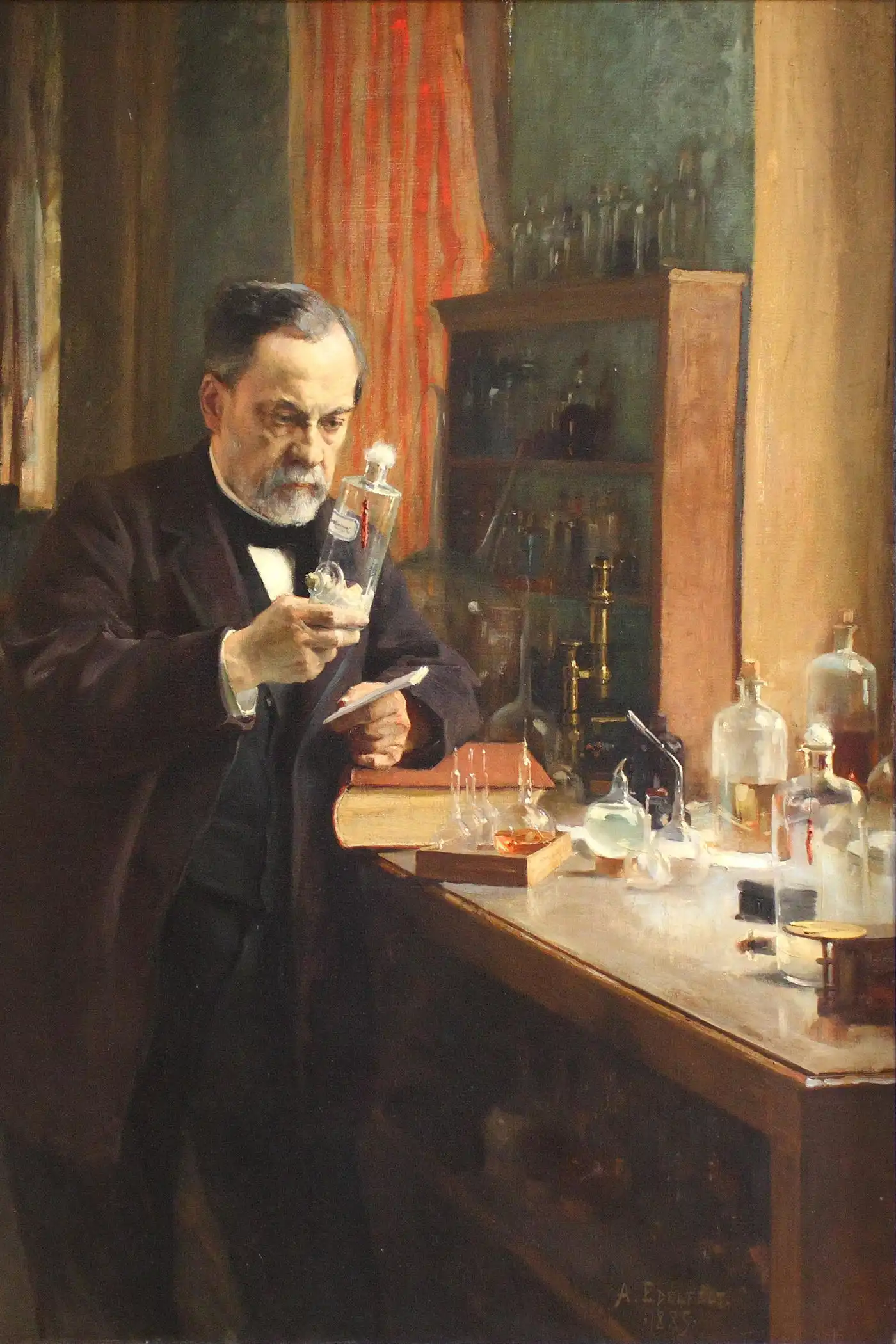
Tono-Bungay
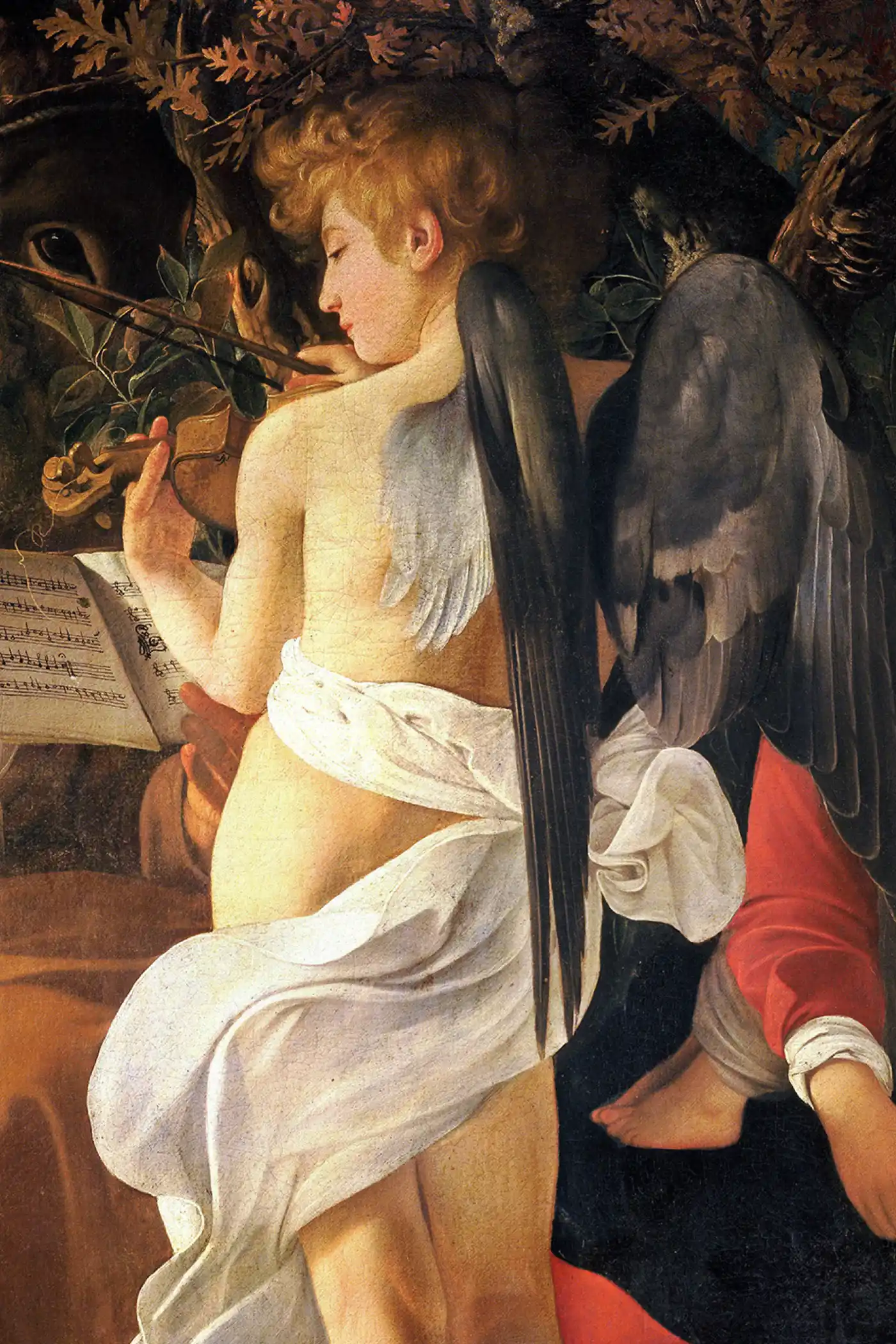
The Wonderful Visit
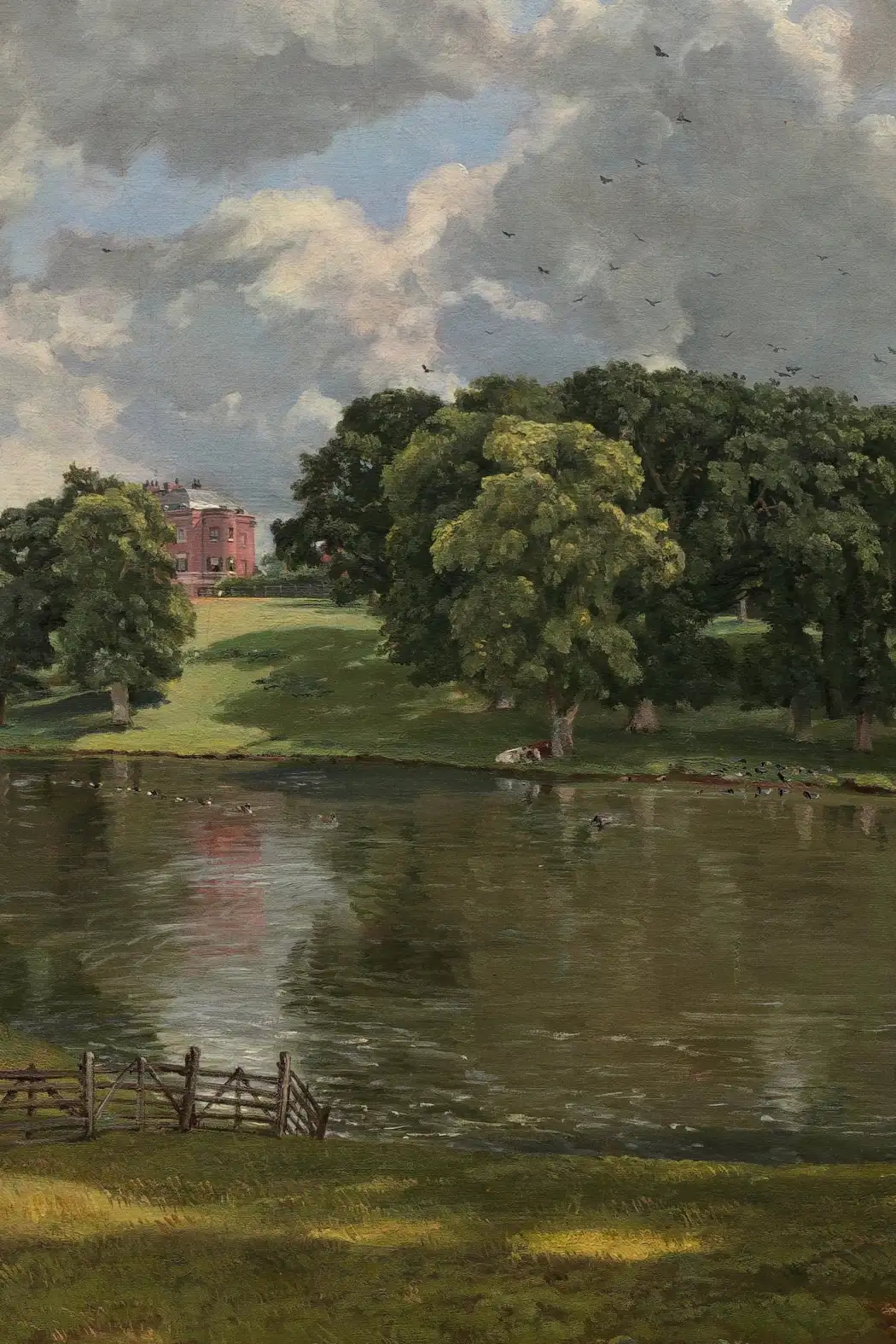
Mr. Britling Sees It Through
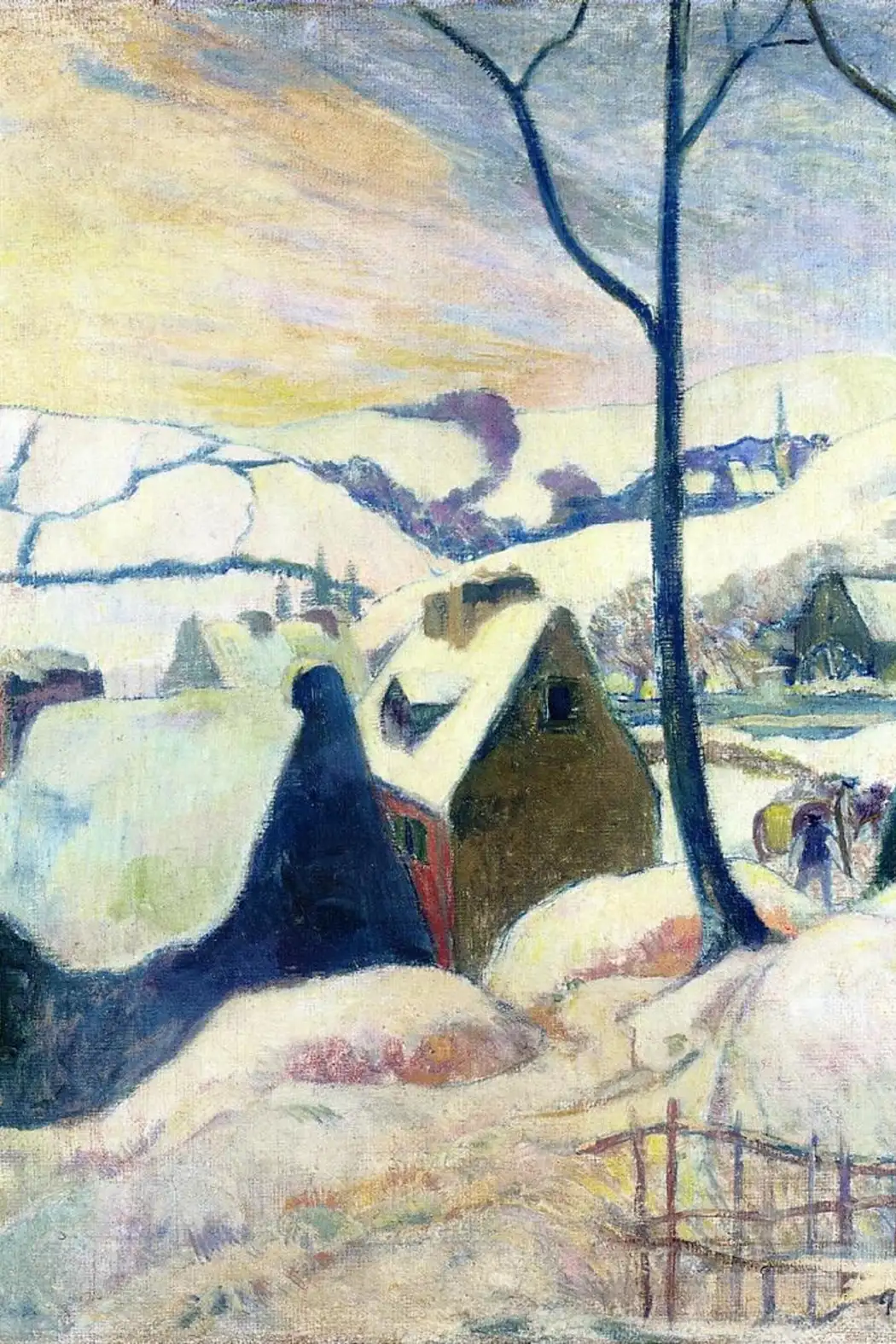
The Invisible Man

Short Fiction
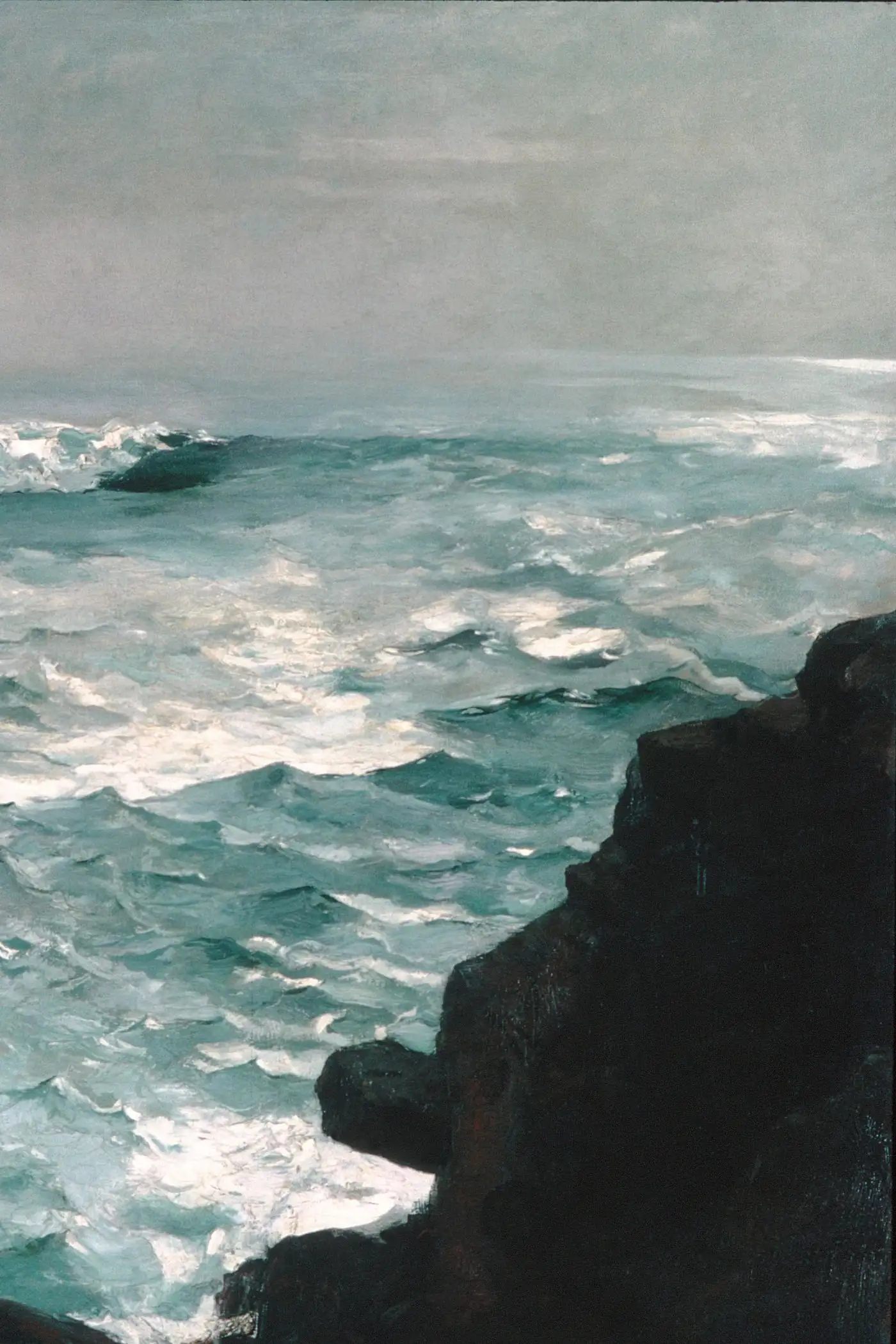
The Island of Doctor Moreau
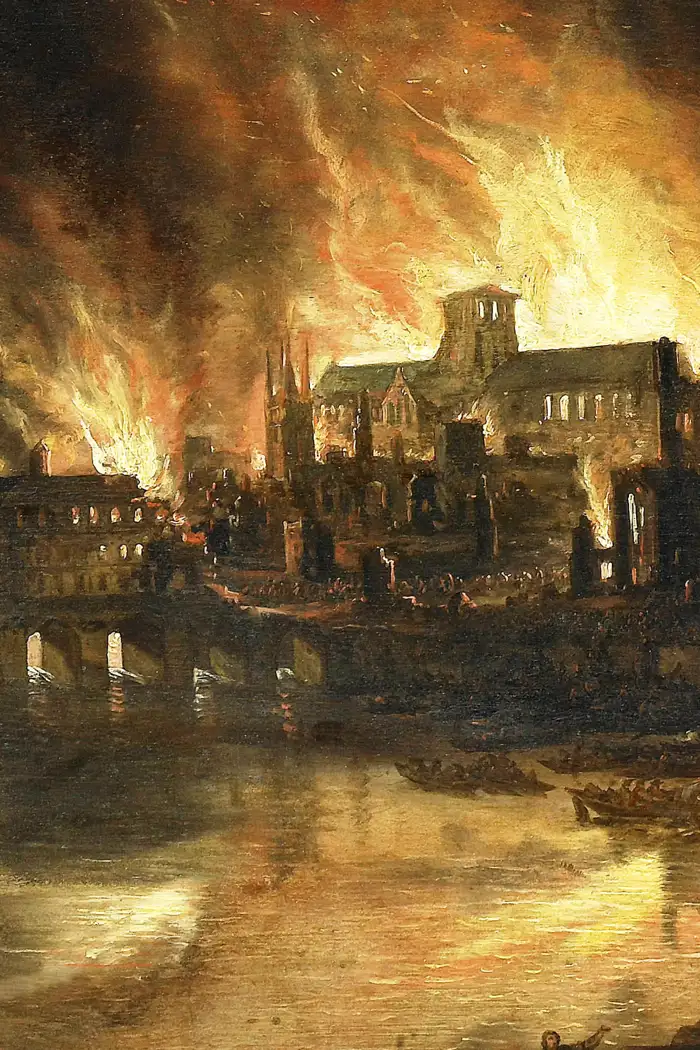
The War of the Worlds
The Food of the Gods
The First Men in the Moon
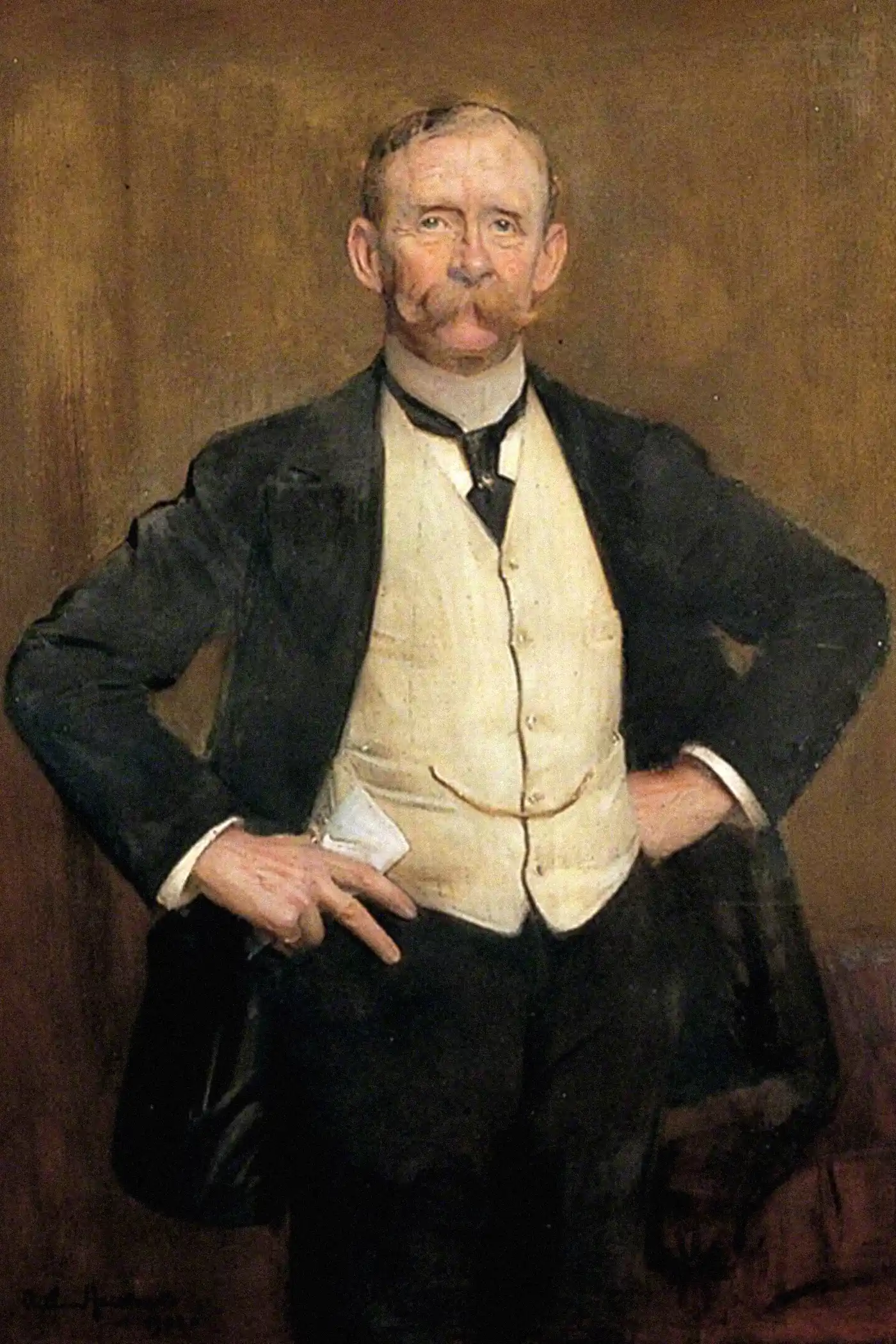
The History of Mr. Polly
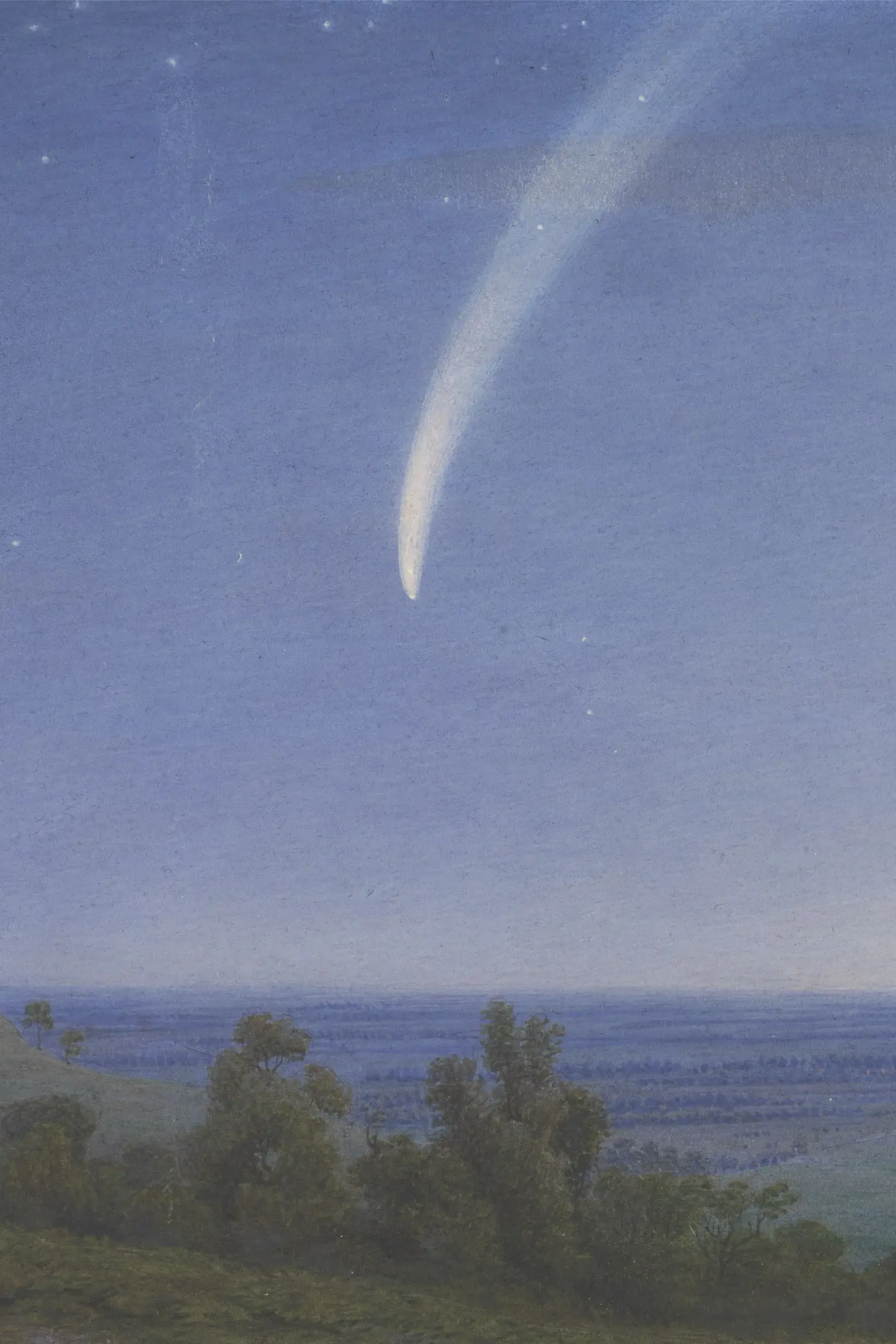
In the Days of the Comet
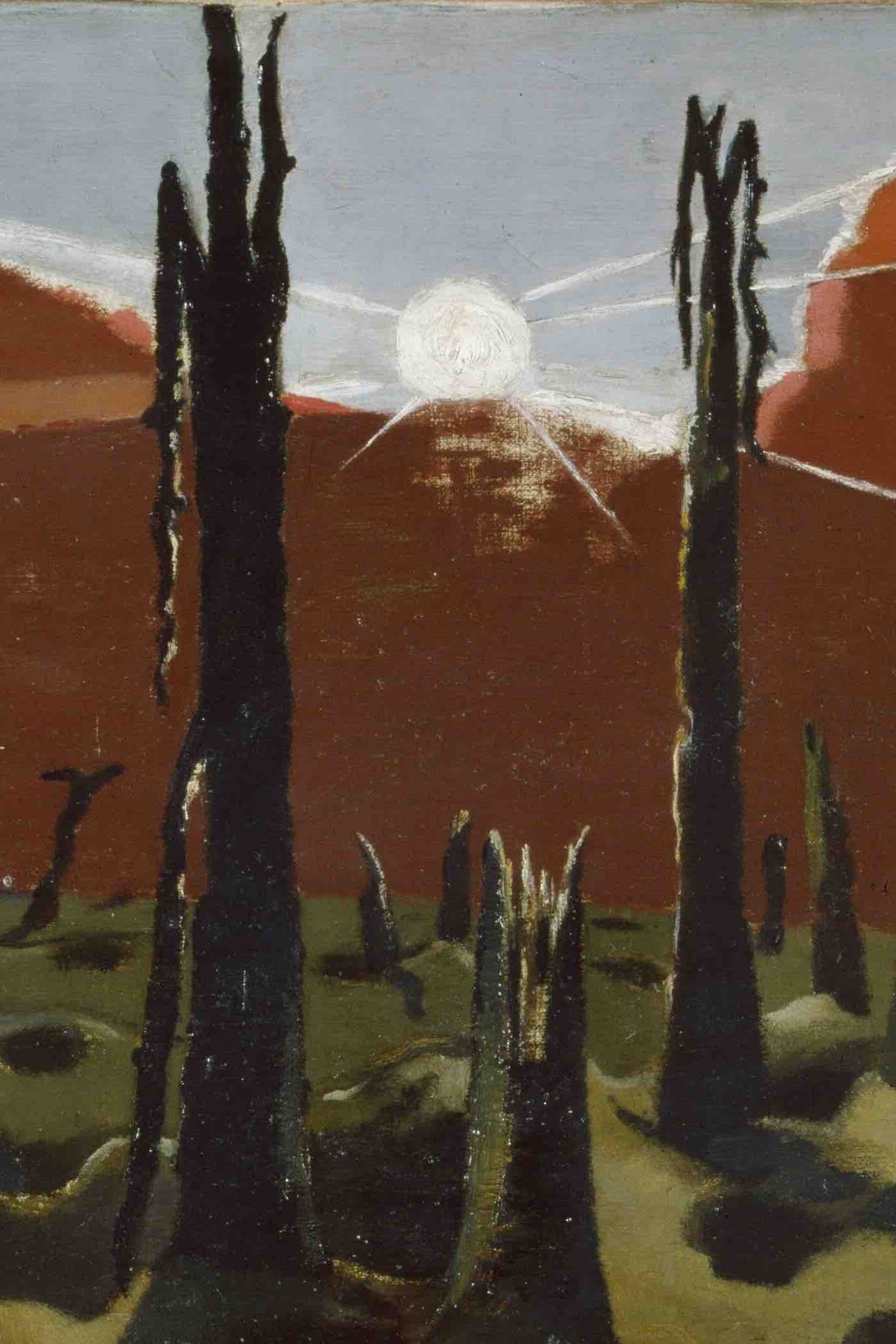
The World Set Free
Explore by genre
Other authors you may enjoy
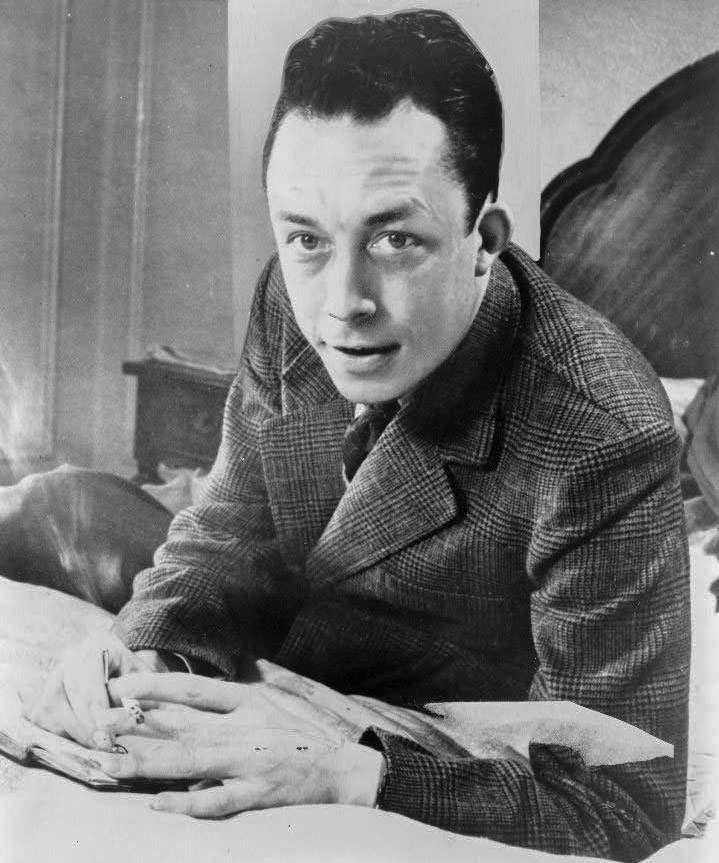
Why H. G. Wells is still read today
H. G. Wells is one of the founders of science fiction, his "scientific romances" anticipating technologies from time travel to nuclear weapons. The Time Machine, The War of the Worlds, and The Invisible Man established templates that define the genre today. Wells combined imaginative speculation with social criticism, using science fiction to explore human nature and society. Beyond science fiction, Wells was a prolific novelist, historian, and social commentator. His realistic novels like Kipps and Tono-Bungay document Edwardian class mobility with Dickensian richness. His ideas about world government, open education, and scientific planning influenced 20th-century thought. Wells remains essential reading for anyone interested in speculative fiction's origins.
Frequently Asked Questions
What is H. G. Wells best known for?
Wells is best known for his science fiction: The Time Machine, The War of the Worlds, The Invisible Man, and The Island of Doctor Moreau. These foundational works established conventions the genre still uses.
Is H. G. Wells the father of science fiction?
Wells shares that title with Jules Verne. Verne focused on plausible technology; Wells used impossible science (time travel, invisibility) to explore social and philosophical themes. Together they established the genre.
Where should I start reading H. G. Wells?
Start with The Time Machine—it's short, exciting, and showcases his ability to combine speculation with social commentary. The War of the Worlds and The Invisible Man are equally accessible.
Did H. G. Wells predict the future?
Wells anticipated many technologies: atomic weapons (The World Set Free, 1914), tank warfare, air travel, and genetic engineering. His predictions came from extrapolating scientific trends, though many details differed.
What are H. G. Wells's non-science-fiction novels like?
Wells wrote realistic novels about English class mobility, including Kipps and Tono-Bungay. These comic-serious works portray social aspiration with Dickensian range. They're less famous but highly accomplished.
Essential cookies keep you signed in and save your reading progress. Analytics cookies help us understand how the site is used. You can reject analytics — we still work without them. Learn more in our Privacy Policy.