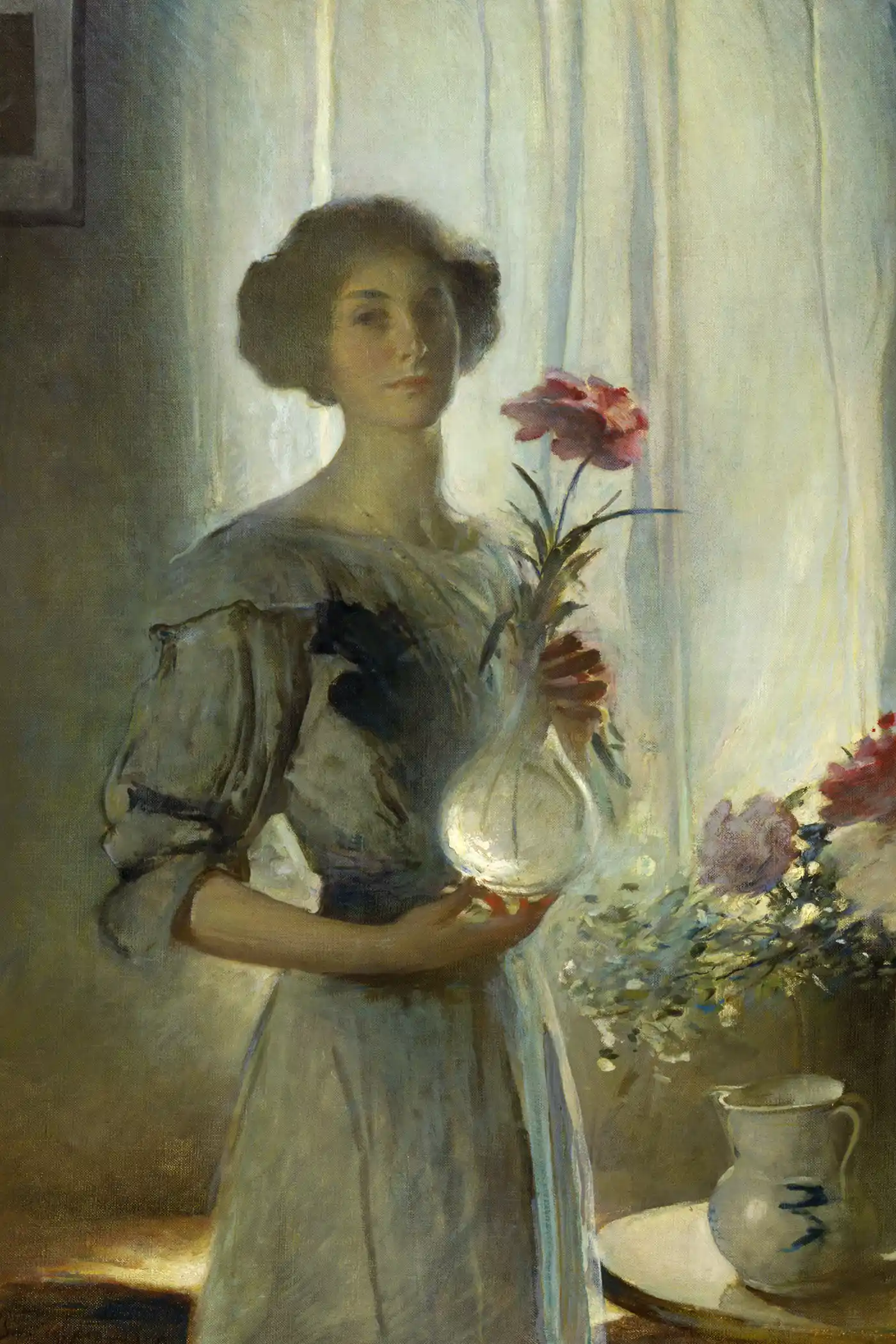
The Homemaker
What is The Homemaker about?
The Homemaker (1924) is Dorothy Canfield Fisher’s groundbreaking novel about the Knapp family, in which an accident forces a radical role reversal: the unhappy housewife Evangeline goes to work in a department store while her husband Lester, fired from his office job, stays home with the children. To everyone’s surprise, both thrive in their new roles. The novel challenges the rigid gender expectations of 1920s America, arguing that forcing people into socially prescribed roles damages both parents and children. It is a remarkably modern exploration of work, family, and identity.
Main themes in The Homemaker
Gender roles
The theme of gender roles weaves through The Homemaker, adding depth to its narrative.
Family dynamics
The theme of family dynamics weaves through The Homemaker, adding depth to its narrative.
Work-life balance
The presence of work-life balance in The Homemaker connects readers to its enduring relevance.
1920s America
The Homemaker thoughtfully explores 1920s america through its central conflicts.
Why The Homemaker is still relevant today
The Homemaker was decades ahead of its time in challenging gender roles and advocating that both parents should pursue the roles that suit them best. Its themes resonate powerfully with contemporary discussions of parenting and work-life balance.
More by this author
Frequently Asked Questions
What is The Homemaker about?
An accident forces a 1920s family into a role reversal: the wife goes to work and the husband stays home. Both thrive, challenging rigid gender expectations.
Is it a feminist novel?
Yes, it challenges the assumption that women belong at home and men at work, arguing for roles based on individual temperament rather than gender.
Is it still relevant?
Remarkably so. Its exploration of work-life balance and gendered expectations feels contemporary.
Can I read it free?
Yes, the complete novel is available free on TextStack.