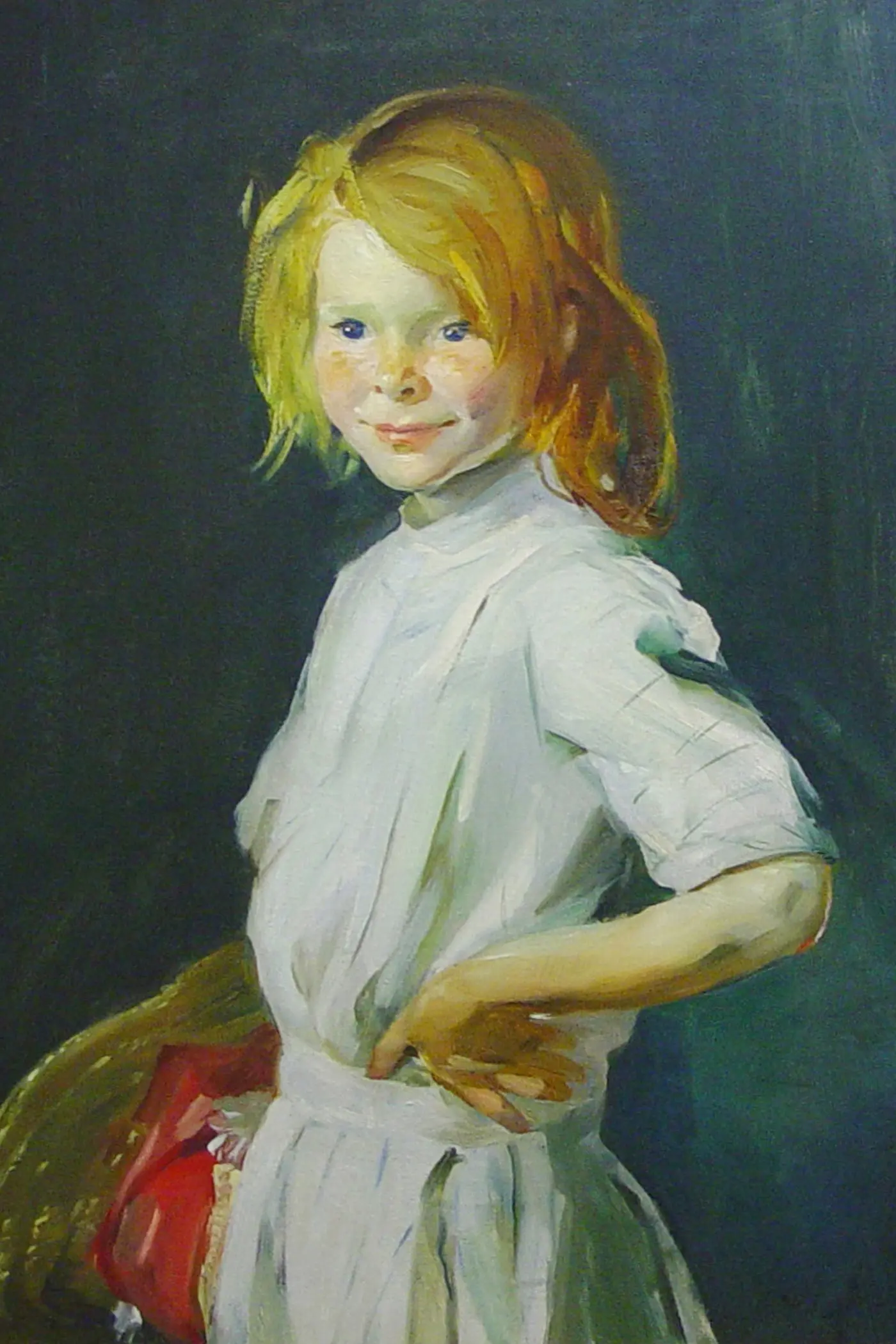
Understood Betsy
What is Understood Betsy about?
Understood Betsy (1917) is Dorothy Canfield Fisher’s beloved children’s novel about Elizabeth Ann, a sheltered, timid nine-year-old raised by overprotective aunts in the city. When circumstances force her to live with her Putney cousins on a Vermont farm, she transforms from a fearful child into a confident, capable girl. The novel is a passionate argument for Montessori-inspired education and self-directed learning: on the farm, Betsy learns through experience, responsibility, and freedom rather than anxious overprotection. It remains a classic of children’s literature and progressive education advocacy.
Main themes in Understood Betsy
Children's literature
Understood Betsy thoughtfully explores children's literature through its central conflicts.
Progressive education
The presence of progressive education in Understood Betsy connects readers to its enduring relevance.
Self-directed learning
The presence of self-directed learning in Understood Betsy connects readers to its enduring relevance.
Vermont farm life
Understood Betsy thoughtfully explores vermont farm life through its central conflicts.
Why Understood Betsy is still relevant today
Understood Betsy remains a beloved children’s classic and a compelling case for experiential, self-directed education. Its critique of overprotective parenting resonates with modern discussions of childhood independence.
More by this author

Frequently Asked Questions
What is Understood Betsy about?
A sheltered city girl is sent to live with relatives on a Vermont farm, where freedom and responsibility transform her from timid to confident.
Is it a children’s book?
Yes, written for children but enjoyed by adults for its charming storytelling and progressive educational philosophy.
What age is it appropriate for?
Suitable for ages 8 and up, and enjoyable for adult readers as well.
Can I read it free online?
Yes, the complete novel is available free on TextStack.