The Iron Heel
What is The Iron Heel about?
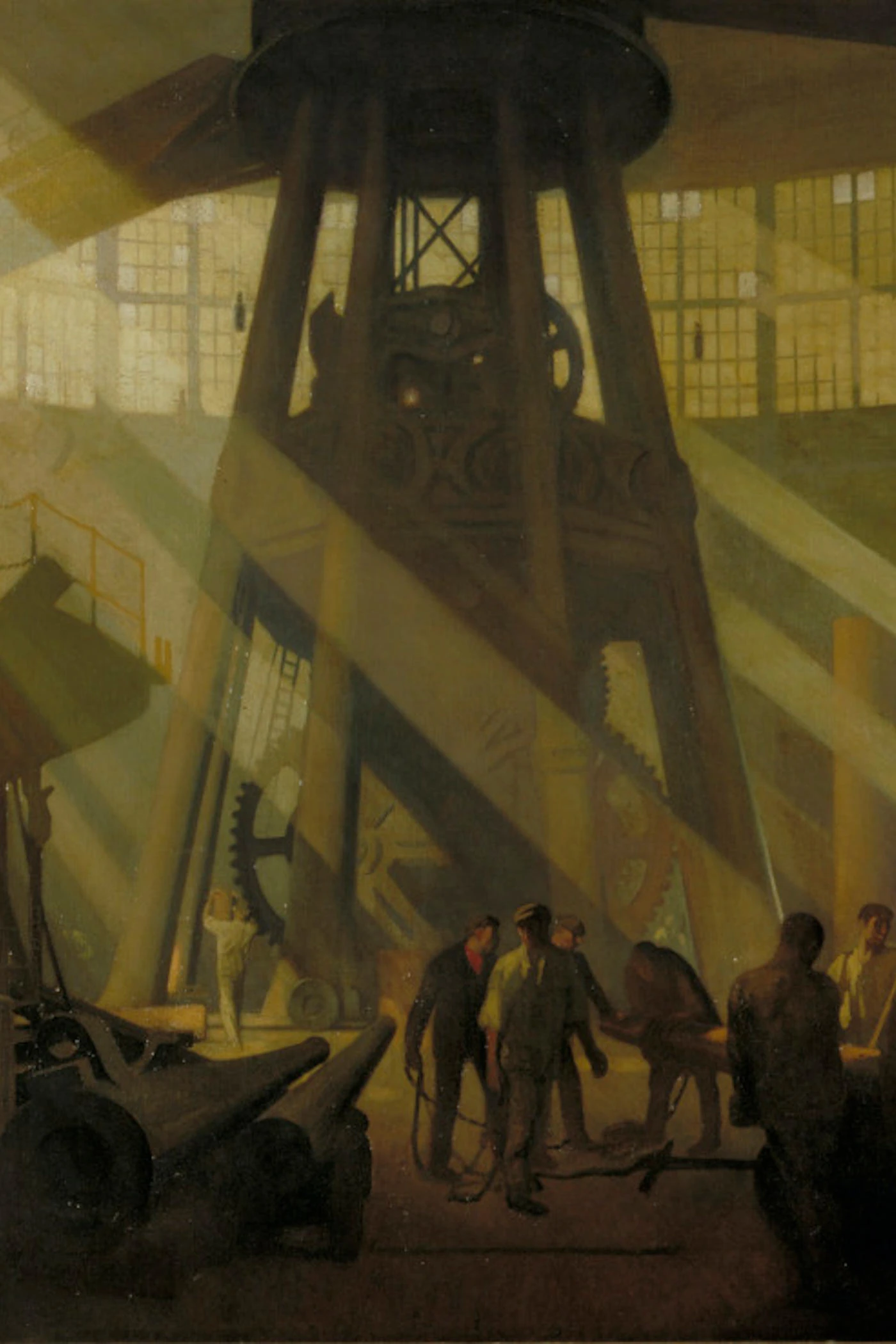
The Iron Heel is some of the earliest dystopian fiction of the 20th century. The novel is framed as a presentation of the long-lost “Everhard Manuscript,” a document written by the socialist revolutionary Avis Everhard around 1932. The manuscript is discovered in the year 2600, and is introduced and annotated by a far-future commentator. In it, Avis tells of how the United States was slowly overcome by a group of oligarchs, the Iron Heel, who use their monopoly power to systematically bankrupt American small businesses and farmers in order to cement their control over the capitalist system. Eventually, the U.S. Army is brought under the control of the oligarchs, who entrench a brutal system of repression against the working class. Everhard, her husband, and a scrappy group of socialists fight valiantly against the Iron Heel, though we learn in the foreword that they don’t survive the fight, and die as martyrs. London uses the narrative as a vehicle for espousing his socialist views, sometimes to the detriment of the plot, and even going so far as to plagiarize an essay by Frank Harris nearly verbatim—issues which caused the work to earn scant critical praise. Despite this, it sold over 50,000 copies in hardcover and influenced a generation of activists, including George Orwell, Harry Bridges, and Frederic Tuten.
Main themes in The Iron Heel
Oligarchy and fascism
Oligarchy and fascism emerges as a defining element in The Iron Heel, shaping character development.
Class warfare
Class warfare emerges as a defining element in The Iron Heel, shaping character development.
Socialist revolution
The theme of socialist revolution weaves through The Iron Heel, adding depth to its narrative.
Corporate power
The theme of corporate power weaves through The Iron Heel, adding depth to its narrative.
Why The Iron Heel is still relevant today
The Iron Heel is a pioneering dystopian novel, imagining an oligarchy crushing American democracy and socialist movements. Written in 1908, its predictions of fascism, mass surveillance, and corporate control seem prescient. George Orwell acknowledged its influence on 1984. The novel combines political theory with adventure romance.
More by this author




Frequently Asked Questions
What is The Iron Heel about?
Set in an alternate future, the novel follows socialist revolutionary Ernest Everhard as he predicts and fights against the rise of the "Iron Heel"—an oligarchy of corporations that crushes American democracy. His wife Avis narrates from centuries later.
Is The Iron Heel a dystopia?
Yes, one of the earliest political dystopias. Unlike later works like 1984, it focuses on class struggle and capitalist oligarchy rather than totalitarian states. Its frame narrative suggests eventual socialist victory.
Did The Iron Heel influence other dystopias?
Yes, Orwell cited it as an influence on 1984. Its depiction of oligarchic control, propaganda, and resistance influenced the dystopian genre. Some see it as prophetic about fascism and corporate power.
Is The Iron Heel London's political views?
Yes, the novel expresses London's socialist politics directly through Ernest Everhard. The detailed economic arguments reflect London's serious engagement with socialist theory, unusual for adventure fiction.