The Sea-Wolf
What is The Sea-Wolf about?
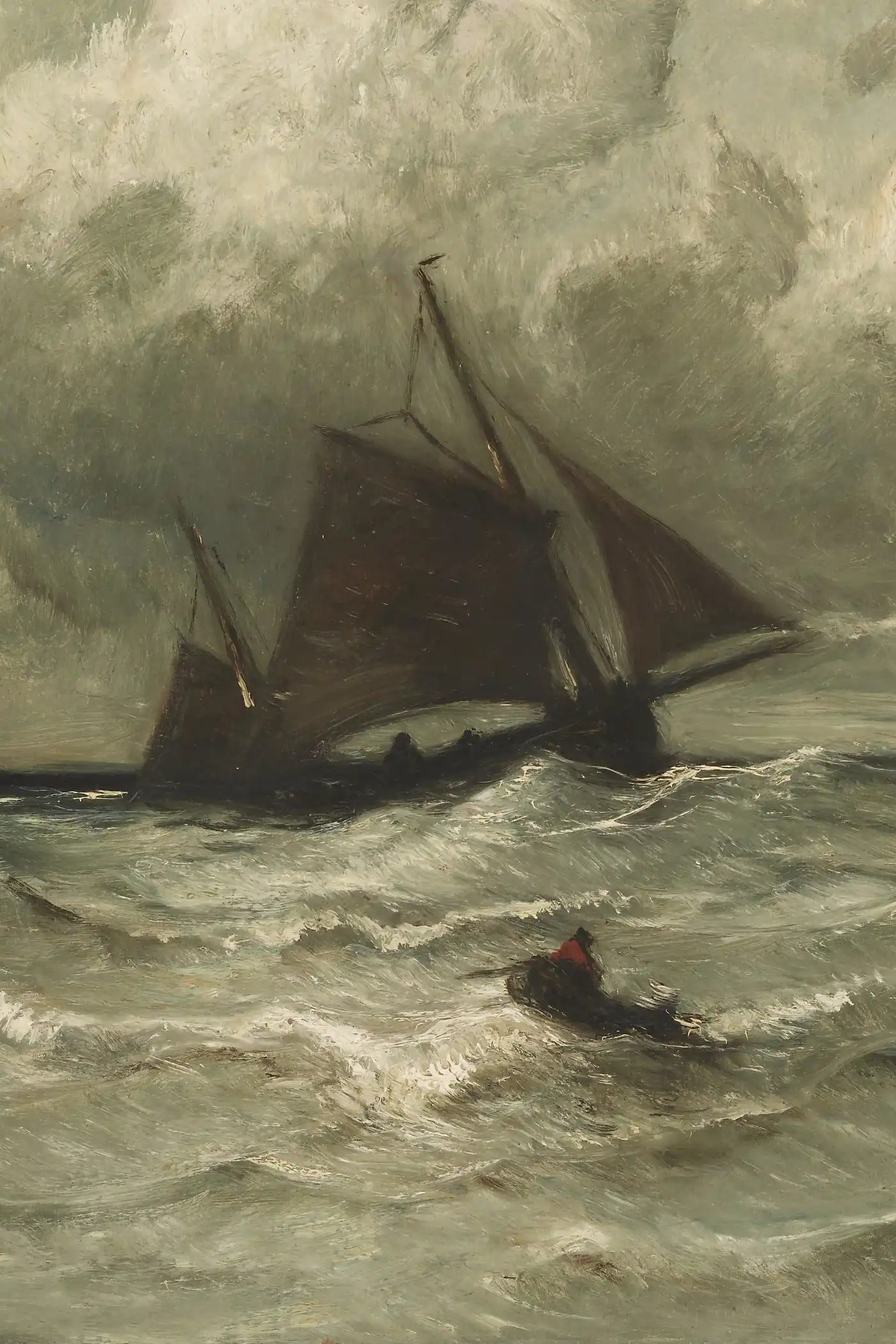
After a ferry accident on San Francisco Bay, literary critic Humphrey Van Weyden is swept out to sea only to be rescued by the seal-hunting schooner Ghost . Wolf Larsen, the captain of the Ghost , is brutal and cynical but also highly intelligent, and he has no intention of returning Van Weyden to shore. Van Weyden is forced to serve on the Ghost , leaving behind his comfortable world ashore and entering into a psychological battle with Larsen on the sea. Jack London wrote The Sea-Wolf in 1904 following the success of his previous novel The Call of the Wild , and it has gone on to become one of his most popular novels. London actually served on a sealing schooner during his early career and that experience lends a gritty realism to his depiction of life at sea. The book can be read as a psychological thriller and adventure novel, but can also be read as a criticism of Nietzsche’s Übermensch philosophy with Wolf Larsen embodying a “superman” lacking conventional morality.
Main themes in The Sea-Wolf
Strength versus morality
In The Sea-Wolf, strength versus morality provides a lens for understanding the story's core message.
Materialism and idealism
The theme of materialism and idealism weaves through The Sea-Wolf, adding depth to its narrative.
Survival at sea
The theme of survival at sea weaves through The Sea-Wolf, adding depth to its narrative.
Civilization and brutality
In The Sea-Wolf, civilization and brutality provides a lens for understanding the story's core message.
Why The Sea-Wolf is still relevant today
The Sea-Wolf is London's most ambitious human-focused novel, a philosophical adventure pitting the brutal sea captain Wolf Larsen against the civilized values of his captive, intellectual Humphrey Van Weyden. Larsen's Nietzschean philosophy and charismatic villainy have fascinated readers since publication. The novel combines thrilling seafaring adventure with serious philosophical debate.
More by this author




Frequently Asked Questions
What is The Sea-Wolf about?
Literary critic Humphrey Van Weyden, rescued from a ferry accident by the sealing schooner Ghost, is forced to serve under the brilliant but brutal Captain Wolf Larsen. Their philosophical debates about strength, morality, and meaning unfold against dangerous sea adventures.
Is Wolf Larsen a villain?
Larsen is complex—intellectually brilliant, physically powerful, but morally ruthless. He articulates a compelling materialist philosophy while committing brutal acts. Readers are both fascinated and appalled by him. He's one of literature's great antagonists.
What philosophy does Wolf Larsen represent?
Larsen espouses a materialist, Nietzschean worldview—life is merely matter, morality is weakness, only strength matters. His debates with Van Weyden pit this against idealism. London doesn't fully endorse either position.
Is The Sea-Wolf based on a real person?
Wolf Larsen was partly inspired by real sea captains London encountered, particularly Alexander McLean, a notorious sealing captain. London combined factual seafaring knowledge with philosophical fiction.