The League of the Scarlet Pimpernel
What is The League of the Scarlet Pimpernel about?
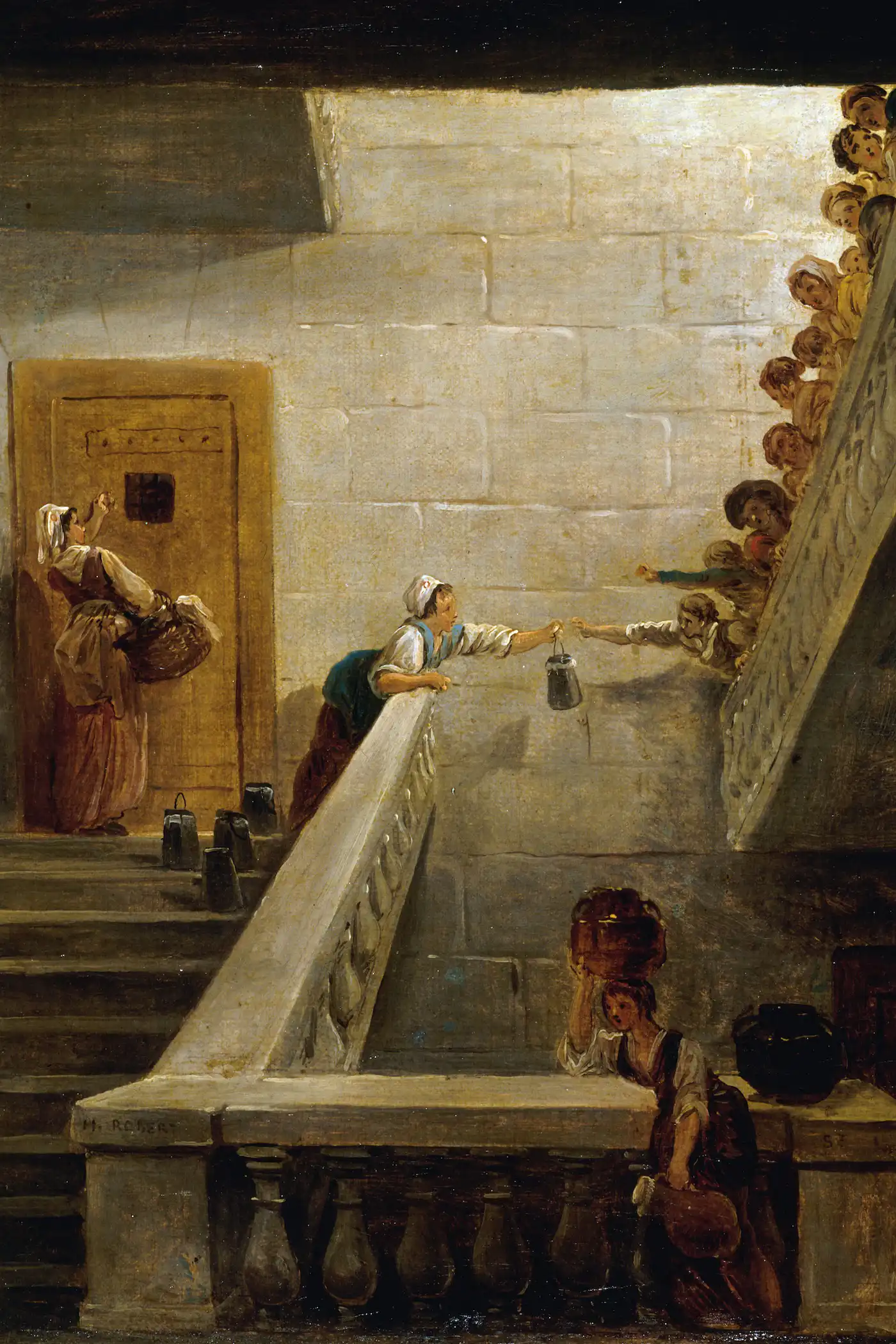
The League of the Scarlet Pimpernel (1919) is a collection of short stories by Baroness Emmuska Orczy, set during the Reign of Terror that followed the French Revolution. The book follows Sir Percy Blakeney — a seemingly idle English aristocrat who conceals his identity as the Scarlet Pimpernel — and his network of volunteers who smuggle condemned French nobles out of Paris before they reach the guillotine. Each story presents a self-contained mission, introducing new characters caught in the machinery of Revolutionary justice: forgers, desperate mothers, informants, and double agents navigating a city gripped by paranoia and mob violence. The format allows Orczy to explore different aspects of the Pimpernel legend without the sustained tension of a novel, showcasing the ingenuity of disguise, the mechanics of escape, and the moral ambiguity of collaboration under tyranny. The collection expands on the world established in the original 1905 novel, deepening the supporting cast of the League and demonstrating the breadth of the rescue operation. As one of the foundational texts of the gentleman-adventurer genre, it influenced later archetypes including Zorro and Batman.
Main themes in The League of the Scarlet Pimpernel
Dual identity and disguise
The presence of dual identity and disguise in The League of the Scarlet Pimpernel connects readers to its enduring relevance.
Resistance under political tyranny
The theme of resistance under political tyranny weaves through The League of the Scarlet Pimpernel, adding depth to its narrative.
Loyalty and self-sacrifice
The theme of loyalty and self-sacrifice weaves through The League of the Scarlet Pimpernel, adding depth to its narrative.
Revolutionary justice and mob violence
In The League of the Scarlet Pimpernel, revolutionary justice and mob violence provides a lens for understanding the story's core message.
Why The League of the Scarlet Pimpernel is still relevant today
The League of the Scarlet Pimpernel remains relevant as an examination of civil society under authoritarian terror. Its portrayal of ordinary people forced to inform, comply, or resist under a surveillance state resonates with modern readers familiar with 20th- and 21st-century political repression. The Scarlet Pimpernel's dual identity — outward conformity masking clandestine resistance — is a template that recurs throughout popular culture, from superhero fiction to spy thrillers. The short story format also makes the collection accessible to readers who find historical novels demanding, since each episode can be read independently. Scholars of genre fiction trace the masked-hero archetype directly to Orczy's work. Readers interested in the French Revolution, adventure literature, or the origins of the superhero narrative will find the collection a concise and historically grounded entry point.
More by this author

Frequently Asked Questions
What is The League of the Scarlet Pimpernel about?
The League of the Scarlet Pimpernel is a 1919 collection of short stories by Baroness Orczy set during the French Revolution's Reign of Terror. Each story follows Sir Percy Blakeney — known secretly as the Scarlet Pimpernel — and his volunteer network as they rescue condemned French aristocrats from the guillotine through elaborate disguises and daring escapes.
Do I need to read the original Scarlet Pimpernel novel first?
The short stories in this collection are largely self-contained and can be read without prior knowledge of the series. However, reading the original 1905 novel first provides useful background on Sir Percy Blakeney's character and his relationship with his wife Marguerite. Both books are available to read free on TextStack.
How long does it take to read The League of the Scarlet Pimpernel?
The collection is approximately 80,000 words, which most adult readers finish in five to seven hours. Because it is structured as independent short stories rather than a continuous narrative, it is easy to read in shorter sessions. You can track your reading progress on TextStack.
What are the main themes in The League of the Scarlet Pimpernel?
The central themes include dual identity and the use of disguise as resistance, loyalty and self-sacrifice among the League's members, the mechanics and moral costs of life under revolutionary terror, and the tension between outward social conformity and private moral conviction.