The Memoirs of Sherlock Holmes
What is The Memoirs of Sherlock Holmes about?
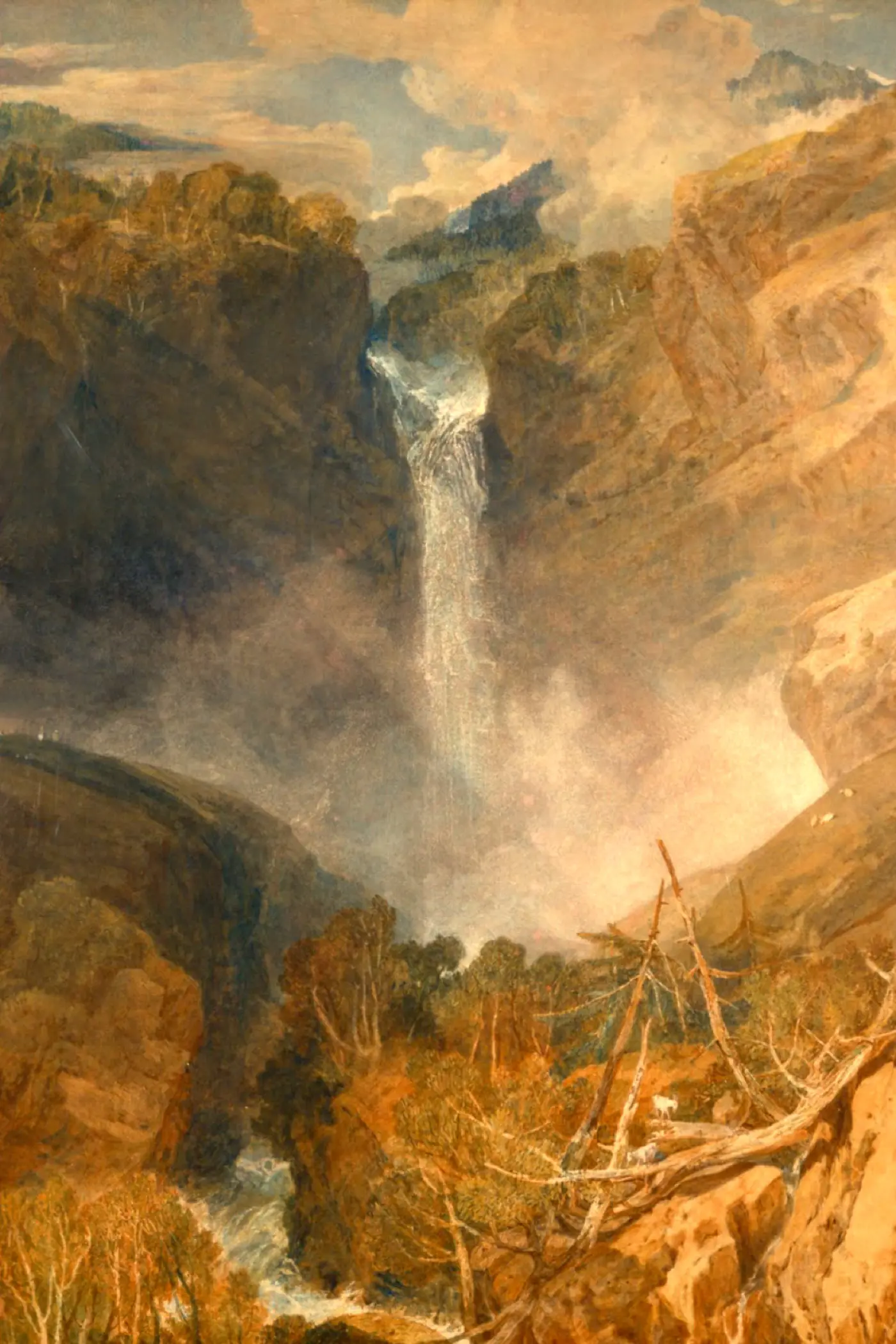
The Memoirs of Sherlock Holmes by Arthur Conan Doyle is a landmark collection featuring some of the most celebrated detective stories ever written. Published in 1894, these eleven tales include "The Final Problem," the dramatic confrontation at Reichenbach Falls where Holmes faces his nemesis Professor Moriarty. The collection also contains "The Adventure of the Greek Interpreter," which introduces Holmes's even more brilliant brother Mycroft, and "Silver Blaze" with its famous observation about "the curious incident of the dog in the night-time." Each story showcases Holmes's legendary deductive abilities at their finest. Essential reading for mystery enthusiasts and a high point in detective fiction history.
Main themes in The Memoirs of Sherlock Holmes
Detection and deduction
In The Memoirs of Sherlock Holmes, detection and deduction provides a lens for understanding the story's core message.
Sibling rivalry
Sibling rivalry emerges as a defining element in The Memoirs of Sherlock Holmes, shaping character development.
Criminal masterminds
The Memoirs of Sherlock Holmes thoughtfully explores criminal masterminds through its central conflicts.
Victorian society
The Memoirs of Sherlock Holmes thoughtfully explores victorian society through its central conflicts.
Why The Memoirs of Sherlock Holmes is still relevant today
The Memoirs of Sherlock Holmes contains several essential stories and the dramatic "death" of Holmes that shocked Victorian readers. "Silver Blaze" and "The Musgrave Ritual" rank among the finest Holmes tales, while Mycroft Holmes adds depth to the detective's character. The collection demonstrates Doyle's growing mastery of the short story form. The "Final Problem," despite Doyle's intentions, became one of the most famous moments in detective fiction, and its reversal in "The Empty House" created a template for character resurrections.
More by this author
Frequently Asked Questions
What is The Memoirs of Sherlock Holmes?
The Memoirs is the second short story collection, containing eleven tales including 'Silver Blaze,' 'The Musgrave Ritual,' and 'The Final Problem,' where Holmes apparently dies at Reichenbach Falls.
Who is Professor Moriarty?
Professor James Moriarty is Holmes's archnemesis, described as the 'Napoleon of crime' who controls London's criminal underworld. He appears fully in 'The Final Problem.'
Who is Mycroft Holmes?
Mycroft is Sherlock's older brother, introduced in 'The Greek Interpreter.' Holmes describes him as even more gifted in deduction but too lazy to be a detective, instead serving the British government.
What is the dog that didn't bark?
In 'Silver Blaze,' Holmes solves the case partly by noting that a dog didn't bark during the crime, indicating the culprit was familiar. This became one of Holmes's most famous deductions.
Did Holmes really die?
Doyle intended to end the series with Holmes's death at Reichenbach Falls, but public pressure eventually forced him to reveal that Holmes survived, in 'The Empty House' (1903).