The Sign of the Four
What is The Sign of the Four about?
The Sign of the Four , initially titled just The Sign of Four , is the second of Doyle’s novels to feature the analytical detective Sherlock Holmes and his faithful companion and chronicler Dr. Watson. The action takes place not long after the events in A Study in Scarlet , the first Holmes novel, and that prior case is referred to frequently at the beginning of this one. Holmes is consulted by a young woman about a strange communication she has received. Ten years previously her father Captain Morstan went missing the night after returning from service in the Far East before his daughter could travel to meet him. He has never been seen or heard of ever since. But a few years after his disappearance, Miss Morstan was startled to receive a precious pearl in the mail, with no sender’s name or address and no accompanying message. A similar pearl has arrived each subsequent year. Finally, she received an anonymous letter begging her to come to a meeting outside a London theater that very evening. She may bring two companions. Naturally, Holmes and Watson accompany the young woman to the mysterious meeting, and are subsequently involved in the unveiling of a complex story of treasure and betrayal.
Main themes in The Sign of the Four
Imperial adventure
The presence of imperial adventure in The Sign of the Four connects readers to its enduring relevance.
Hidden treasure
The presence of hidden treasure in The Sign of the Four connects readers to its enduring relevance.
Revenge and justice
The theme of revenge and justice weaves through The Sign of the Four, adding depth to its narrative.
Romance and love
In The Sign of the Four, romance and love provides a lens for understanding the story's core message.
Why The Sign of the Four is still relevant today
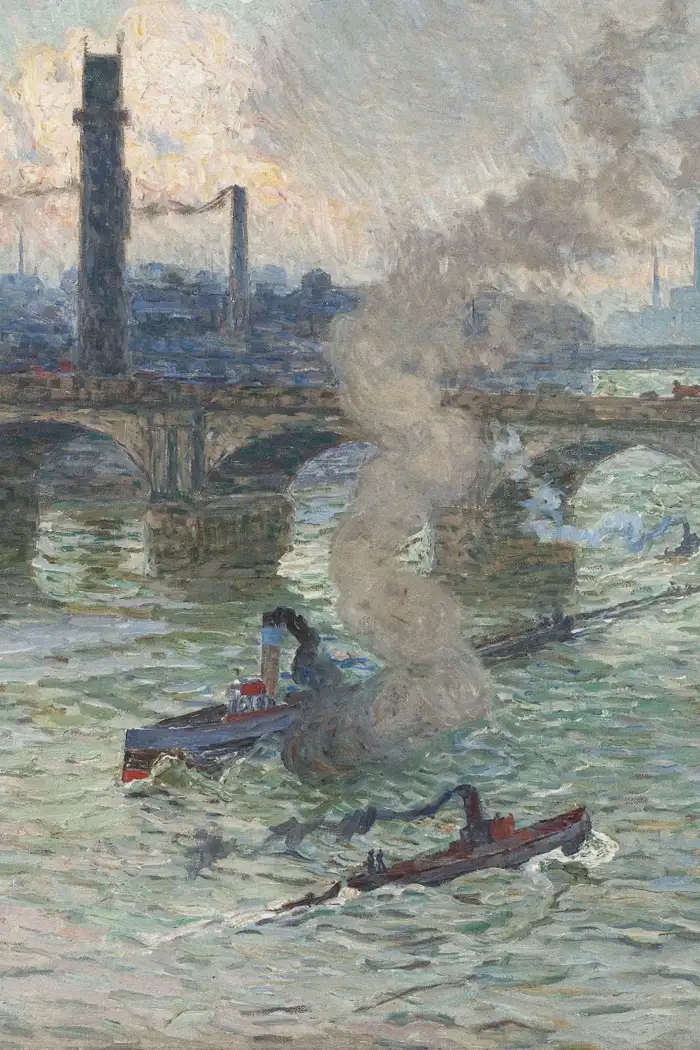
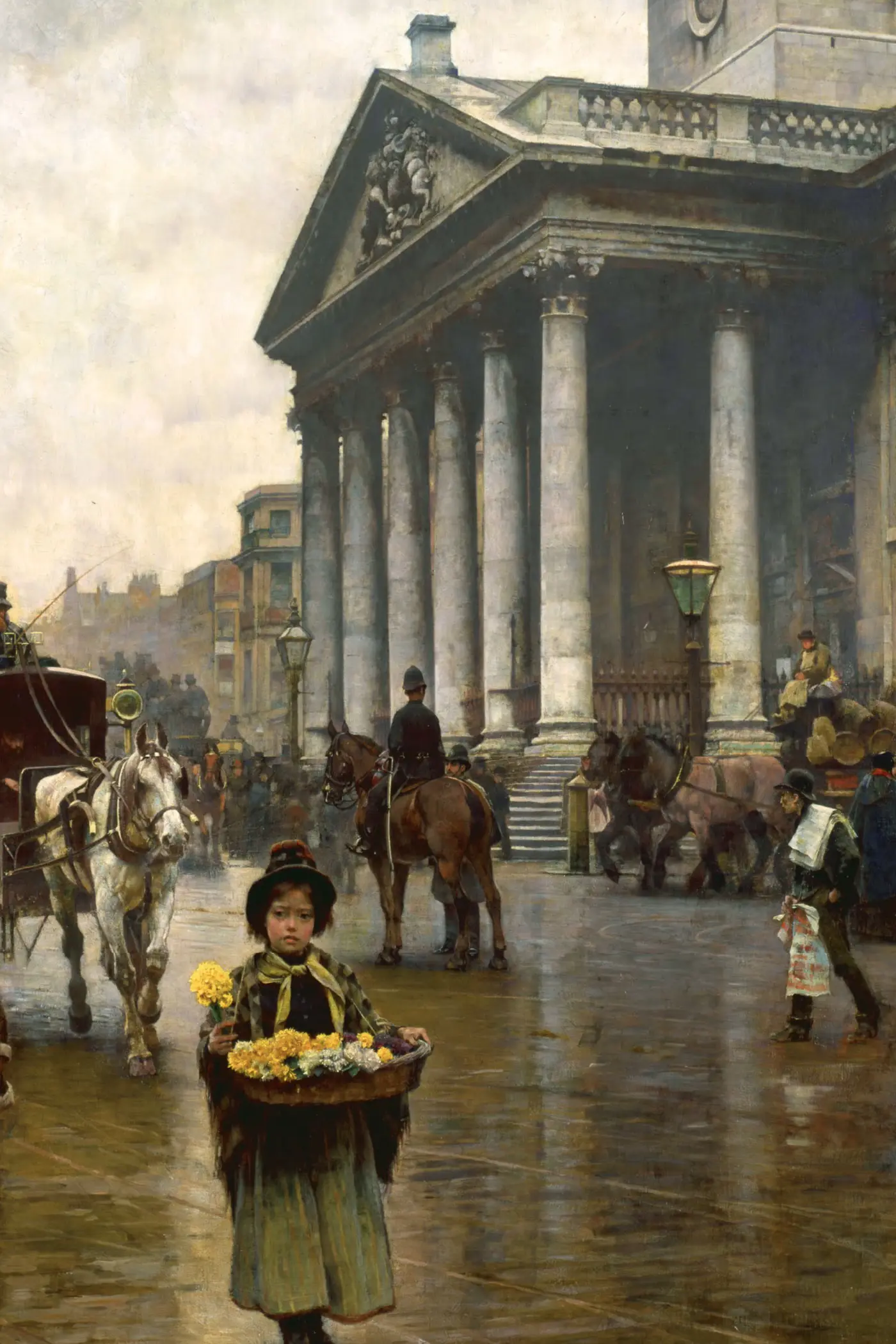
The Sign of the Four established the Sherlock Holmes formula more fully than A Study in Scarlet, combining mystery, adventure, romance, and Holmes's spectacular deductions. The Thames boat chase became a template for action sequences in detective fiction. The novel is notable for introducing Watson's romantic side and for its vivid evocation of Victorian London at night. Its tale of imperial treasure and its consequences anticipates later adventure fiction.
More by this author
Frequently Asked Questions
What is The Sign of the Four about?
The Sign of the Four follows Holmes and Watson as they help Mary Morstan unravel a mystery involving her missing father, anonymous pearl gifts, and a treasure from India, leading to a Thames boat chase.
Who is Mary Morstan?
Mary Morstan is the client who brings the case to Holmes. Watson falls in love with her during the investigation, and she later becomes his wife in the Holmes stories.
What is the Indian connection?
The mystery involves treasure hidden during the Indian Mutiny of 1857. The backstory of colonial India and its consequences drives the plot.
Is there action in The Sign of the Four?
Yes, the novel features a thrilling boat chase down the Thames, expanding the Holmes stories beyond pure detection into adventure territory.
Should I read this before the short stories?
The Sign of the Four works well either before or after the short stories. It provides background on Watson's marriage that is referenced in later tales.