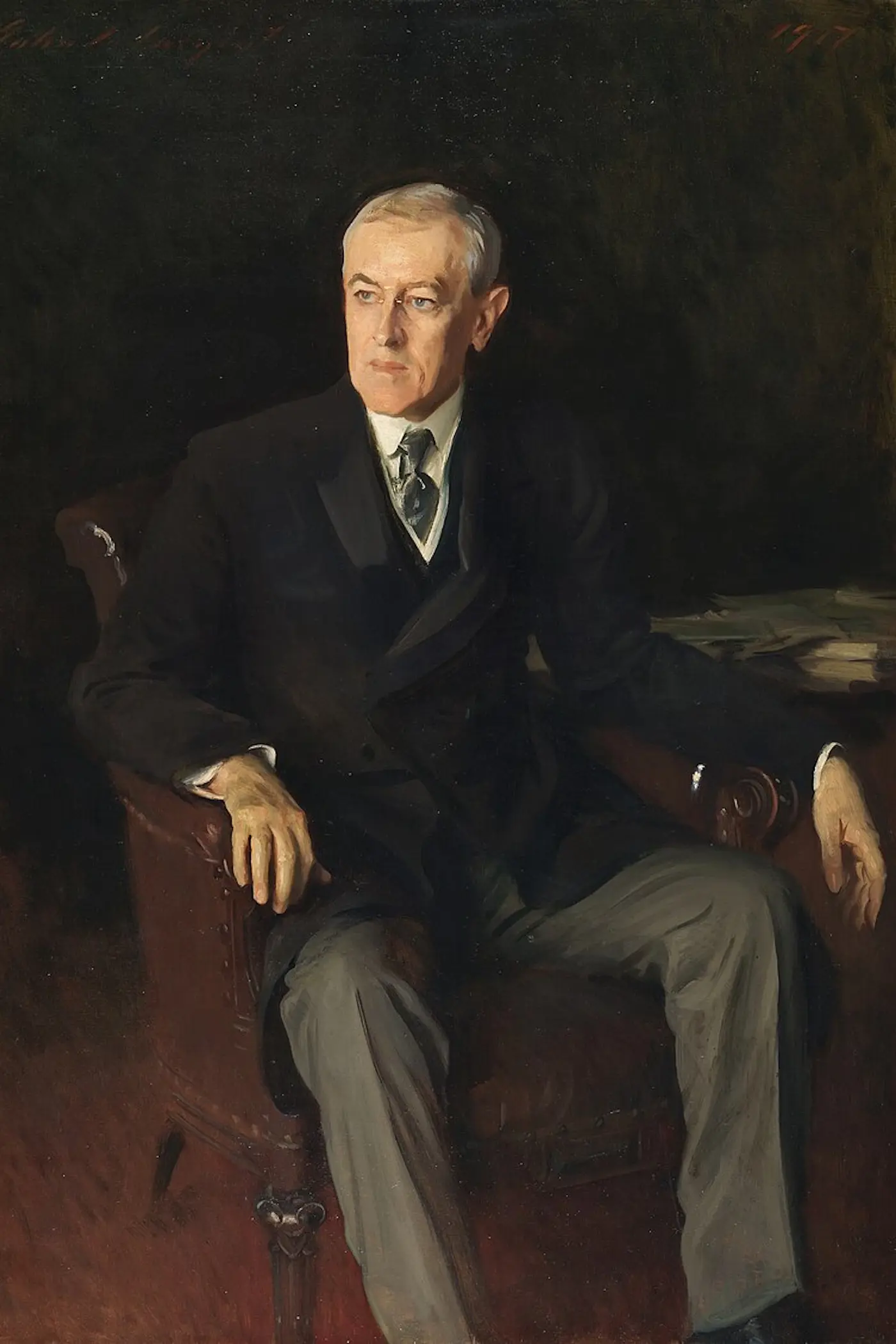
The New Freedom
What is The New Freedom about?
The New Freedom (1913) collects Woodrow Wilson’s speeches and writings articulating his progressive political vision during the 1912 presidential campaign. Wilson argues for breaking up economic monopolies, restoring competition, and freeing ordinary Americans from the domination of big business and special interests. He envisions a government that actively protects individual liberty by ensuring fair economic conditions. The book captures a pivotal moment in American political thought, when progressivism was reshaping the relationship between government, business, and the individual citizen.
Main themes in The New Freedom
American progressivism
American progressivism emerges as a defining element in The New Freedom, shaping character development.
Economic liberty
The theme of economic liberty weaves through The New Freedom, adding depth to its narrative.
Monopoly and competition
The presence of monopoly and competition in The New Freedom connects readers to its enduring relevance.
Government role
The presence of government role in The New Freedom connects readers to its enduring relevance.
Why The New Freedom is still relevant today
The New Freedom is a key document of American progressivism. Wilson’s arguments about economic concentration, liberty, and the role of government remain relevant to contemporary political debate.
Frequently Asked Questions
What is The New Freedom about?
Wilson’s progressive vision for breaking up monopolies, restoring economic competition, and protecting individual liberty through active government.
Is The New Freedom still relevant?
Its arguments about economic concentration, corporate power, and the role of government speak directly to modern political debates.
Is The New Freedom difficult to read?
Wilson writes clearly and persuasively. The political speeches are accessible to general readers interested in American history and politics.
Where can I read The New Freedom free?
You can read the full text free on TextStack.