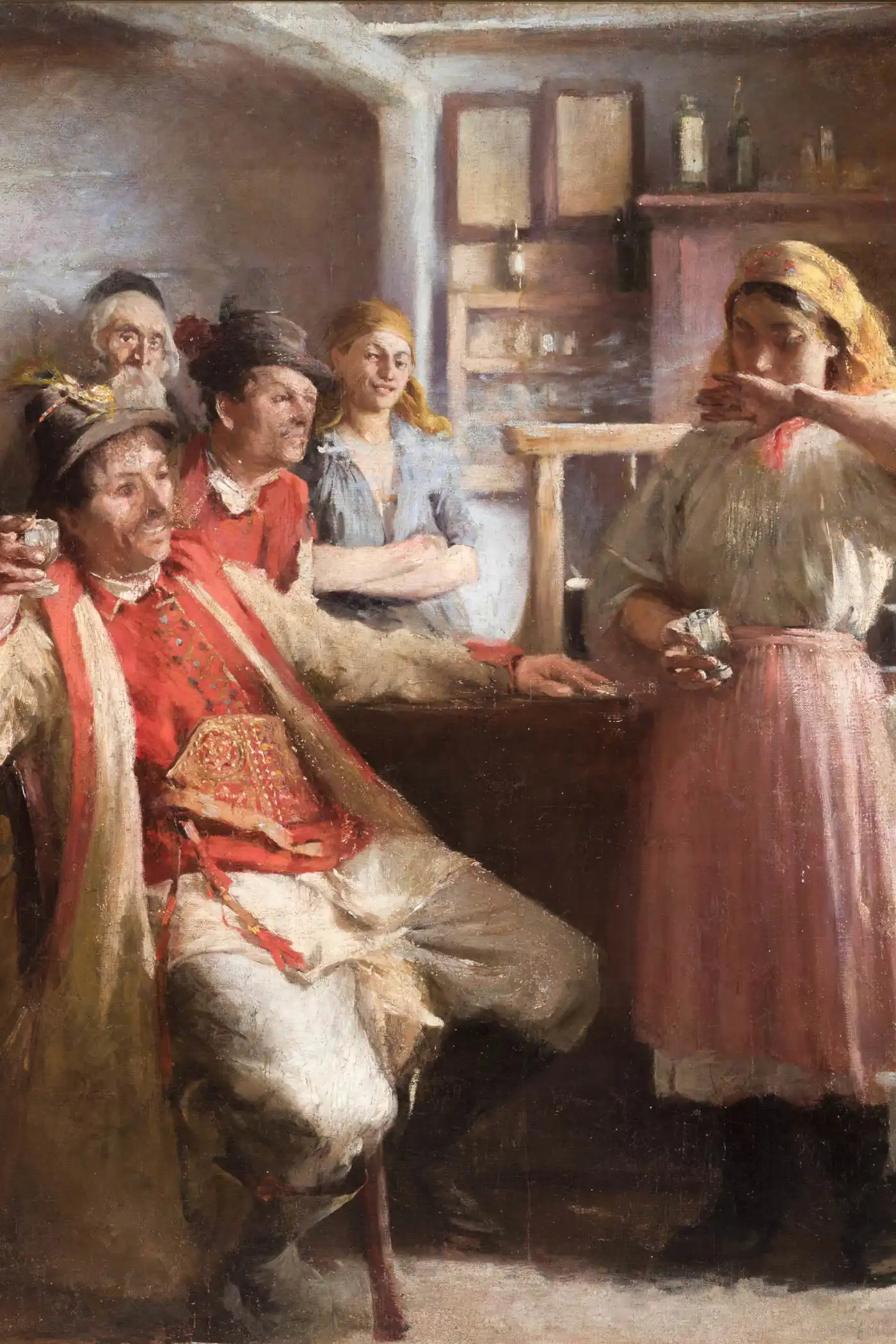
The Peasants
What is The Peasants about?
The Peasants (Chłopi, 1904–09) is Władysław Reymont’s Nobel Prize-winning epic, a monumental four-volume novel depicting a year in the life of a Polish village, with each volume corresponding to a season. Through the interwoven stories of the village’s inhabitants—their loves, feuds, labor, celebrations, and struggles with poverty and tradition—Reymont creates an encyclopedic portrait of peasant life that is both deeply specific to Poland and universally human. The novel’s rich detail, psychological depth, and lyrical evocation of the natural world have made it one of the masterpieces of European realism.
Main themes in The Peasants
Polish village life
The theme of polish village life weaves through The Peasants, adding depth to its narrative.
Seasonal cycle
The presence of seasonal cycle in The Peasants connects readers to its enduring relevance.
Peasant culture
In The Peasants, peasant culture provides a lens for understanding the story's core message.
Rural realism
Rural realism emerges as a defining element in The Peasants, shaping character development.
Why The Peasants is still relevant today
The Peasants is one of the supreme achievements of European realist fiction. Its panoramic portrait of rural life, organized around the seasons, offers an immersive and deeply human reading experience.
Frequently Asked Questions
What is The Peasants about?
A four-volume novel following a Polish village through one year, organized by seasons, capturing the full range of rural life.
Did The Peasants win the Nobel Prize?
Yes, it was the primary work cited when Reymont received the 1924 Nobel Prize in Literature.
Is The Peasants difficult to read?
The novel is richly detailed but immersive. Its organization by seasons provides natural structure, and the human dramas are compelling.
Where can I read The Peasants free?
You can read the full text free on TextStack.