The Phantom of the Opera
What is The Phantom of the Opera about?
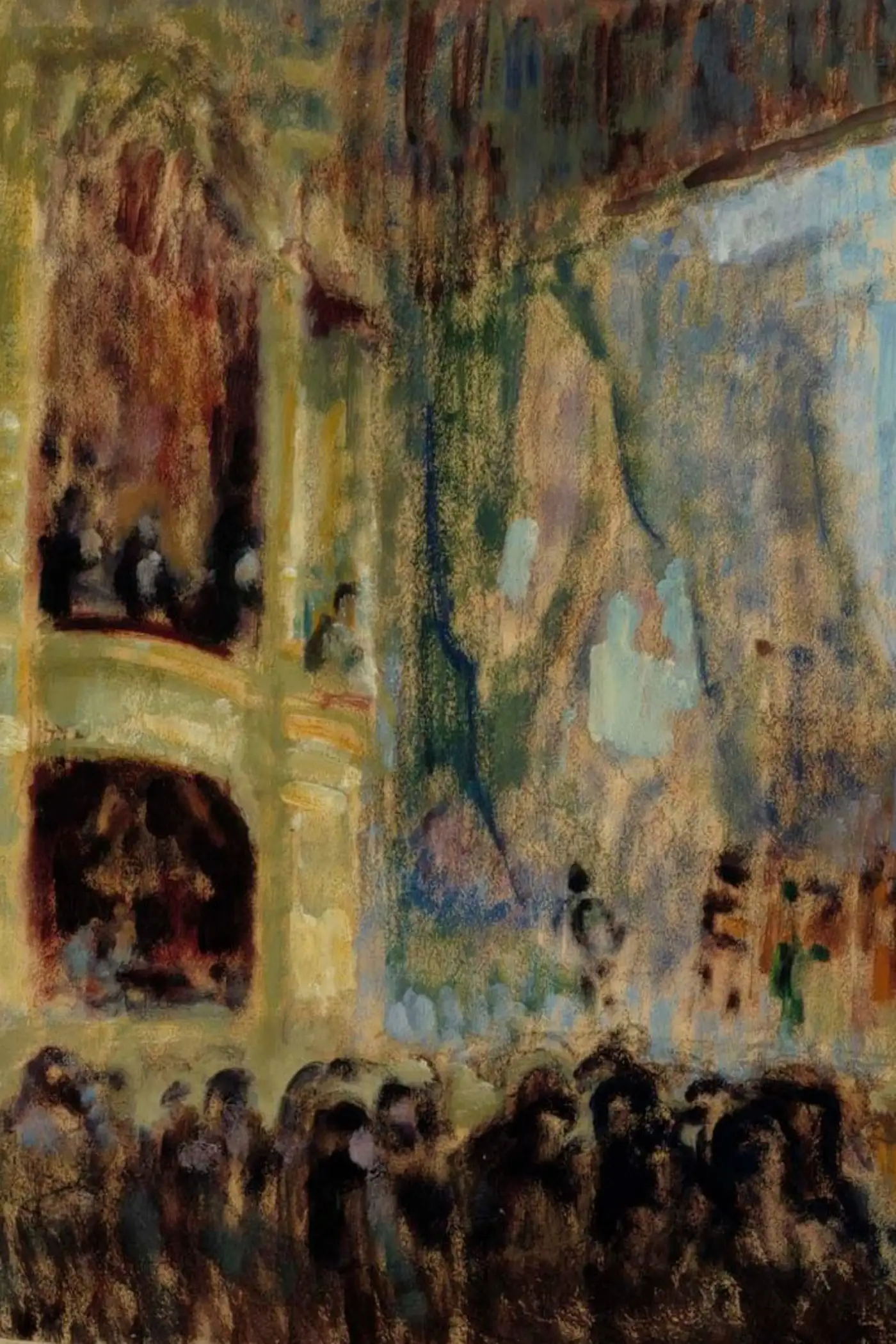
The Phantom of the Opera (1910) is Gaston Leroux’s Gothic masterpiece about a mysterious, disfigured genius who haunts the Paris Opera House. Erik, the Phantom, lives in the labyrinth beneath the Opéra Garnier, secretly tutoring the young soprano Christine Daaé and terrorizing the opera’s management. When Christine’s childhood sweetheart Raoul threatens the Phantom’s obsessive love, the story builds to a dramatic climax in the underground lake beneath the opera. Leroux frames the novel as a journalistic investigation, adding an air of documentary authenticity to this tale of obsession, beauty, and the monstrous.
Main themes in The Phantom of the Opera
Gothic fiction
In The Phantom of the Opera, gothic fiction provides a lens for understanding the story's core message.
Paris Opera
In The Phantom of the Opera, paris opera provides a lens for understanding the story's core message.
Obsessive love
The Phantom of the Opera thoughtfully explores obsessive love through its central conflicts.
Beauty and the beast
The theme of beauty and the beast weaves through The Phantom of the Opera, adding depth to its narrative.
Why The Phantom of the Opera is still relevant today
The Phantom of the Opera is one of the most adapted stories in history, inspiring the legendary Andrew Lloyd Webber musical, numerous films, and countless retellings. The original novel is darker and richer than most adaptations.
More by this author
Frequently Asked Questions
What is The Phantom of the Opera about?
A disfigured genius haunts the Paris Opera House, secretly tutoring a young soprano and terrorizing the management, leading to a dramatic confrontation underground.
How does the novel differ from the musical?
Leroux’s novel is darker, more complex, and framed as a journalistic investigation. The Phantom is more terrifying and the story more nuanced.
Is it horror or romance?
Both—it combines Gothic horror with a tragic love story, plus elements of mystery and thriller.
Can I read it free online?
Yes, the complete novel is available free on TextStack.