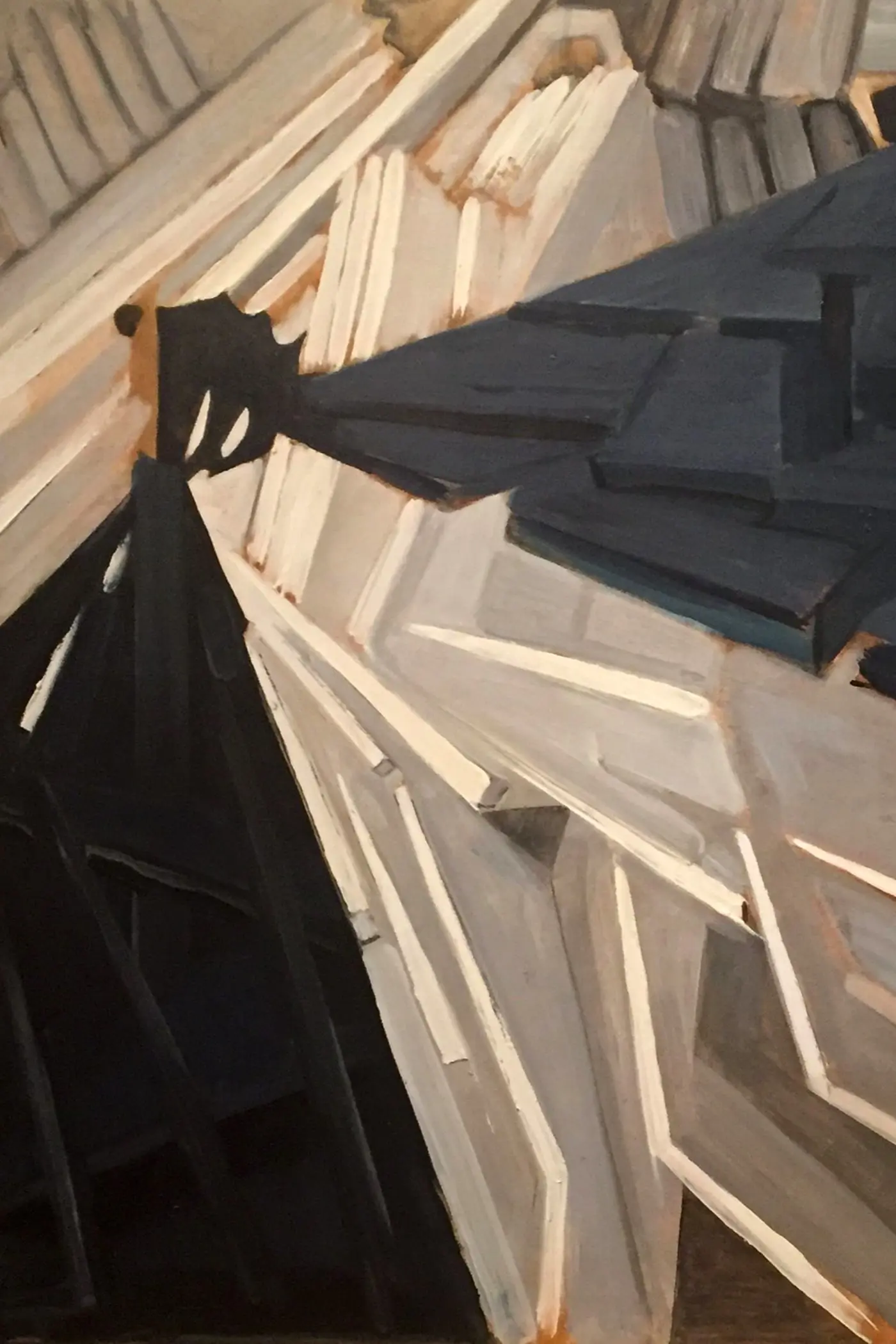
We
What is We about?
We is a dystopian novel by Yevgeny Zamyatin that presents a future society governed entirely by logic, order, and mathematical precision. The story is told through the journal entries of D-503, the chief engineer of the Integral, a spaceship designed to spread the values of the United State beyond Earth. In this world, individuality is suppressed, citizens are known only by numbers, and personal relationships are regulated by strict schedules. D-503’s carefully structured existence begins to unravel when he encounters I-330, a rebellious and enigmatic woman who challenges his faith in reason, obedience, and absolute control. Written in the early twentieth century, the novel offers a powerful critique of totalitarianism, conformity, and the sacrifice of freedom in the name of stability. Often regarded as a foundational work of dystopian fiction, We anticipates later classics of the genre and remains a striking exploration of identity, rebellion, and the dangers of a perfectly ordered society.
Main themes in We
Dystopia and totalitarianism
The theme of dystopia and totalitarianism weaves through We, adding depth to its narrative.
Surveillance and control
The presence of surveillance and control in We connects readers to its enduring relevance.
Individuality vs. collectivism
The theme of individuality vs. collectivism weaves through We, adding depth to its narrative.
Technology and dehumanization
The theme of technology and dehumanization weaves through We, adding depth to its narrative.
Why We is still relevant today
We essentially invented the modern dystopian genre, directly influencing Orwell's 1984 and Huxley's Brave New World. Zamyatin's vision of a surveillance state with glass walls, numbered citizens, and controlled emotions anticipated totalitarianism with uncanny precision. Written in 1920-21 but banned in the Soviet Union, the novel expresses warnings about collectivism destroying individuality that proved prophetic. Contemporary concerns about surveillance, technology, and authoritarian control make this novel newly relevant.
Frequently Asked Questions
What is We about?
Set in the 26th-century One State, We follows D-503, a mathematician building a spaceship, whose orderly life is disrupted by a rebellious woman. The totalitarian state controls every aspect of life through surveillance and conformity. D-503's awakening to individuality threatens his loyalty.
How did We influence 1984 and Brave New World?
Orwell acknowledged We as direct influence, borrowing surveillance, thoughtcrime, and doomed rebellion elements. Huxley denied reading it, but similarities abound. Zamyatin essentially invented the modern dystopia; both later novels developed his template.
Why was We banned in the Soviet Union?
Though Zamyatin was initially a Bolshevik, We's critique of totalitarian uniformity was applicable to Soviet ideology. It became the first work banned by Soviet censorship. Zamyatin eventually emigrated; the novel wasn't published in Russia until 1988.
What makes We's vision distinctive?
We imagines surveillance with glass walls, scheduled sex, and mathematical control. Its critique targets rationalism itself—the dream of perfecting humanity through total order. The narrator's mathematical perspective gives the narrative unique texture.
Is We difficult to read?
The fragmented, diary-style narrative and unfamiliar setting require adjustment. However, the novel is relatively short and its ideas compelling. Good translations help. Once accustomed to the style, readers find it gripping and eerily relevant.