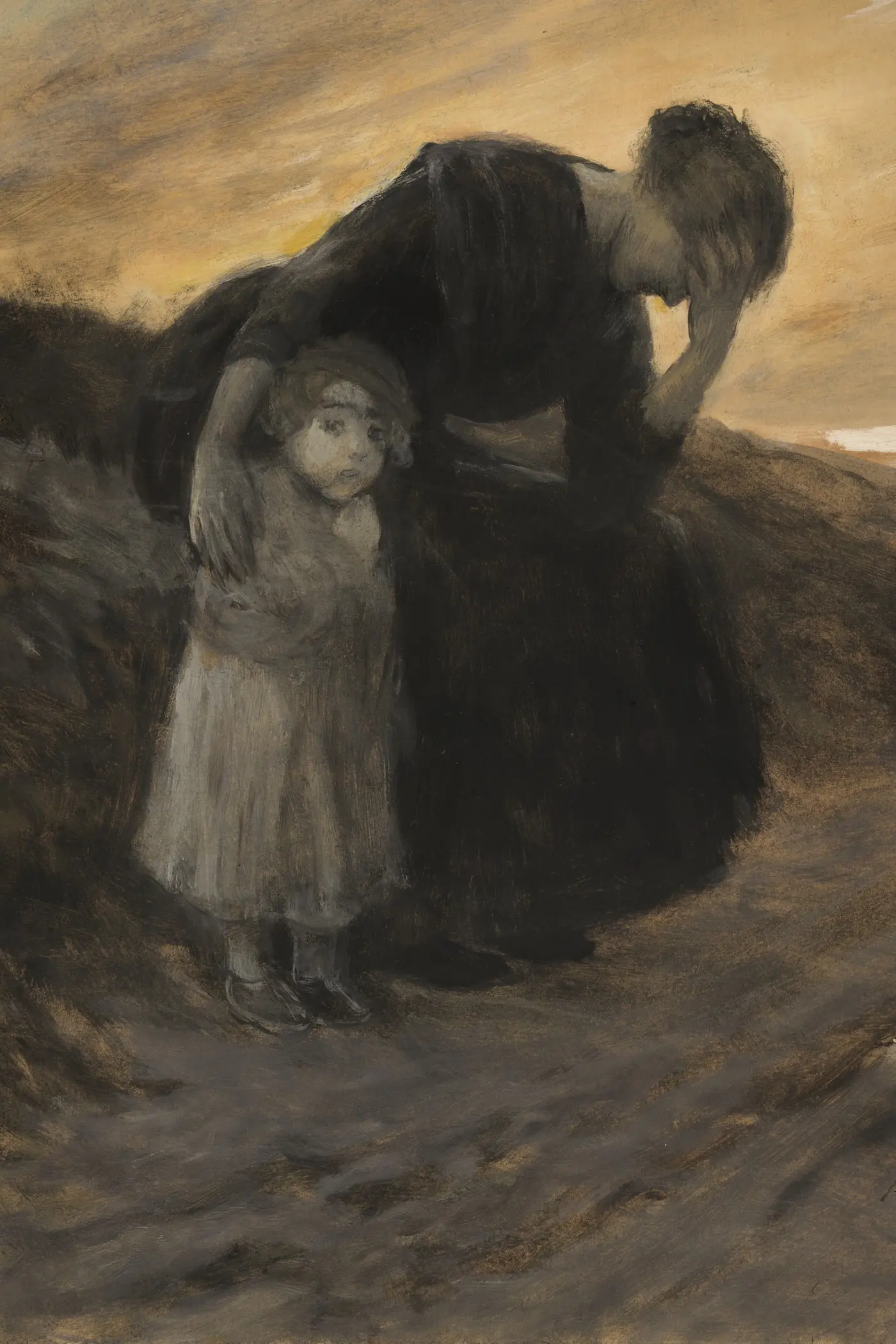
What’s Wrong with the World
What is What’s Wrong with the World about?
What's Wrong with the World (1910) is G. K. Chesterton's most direct and passionate work of social criticism, a sweeping analysis of what he saw as the fundamental errors in modern approaches to poverty, education, family, and the role of women. Unlike many social critics of his era, Chesterton begins not with problems but with ideals, arguing that before we can fix what is wrong we must agree on what is right. The book is organized around the three great modern ideologies that Chesterton saw competing to reshape society: imperialism (represented by the conservative establishment), socialism (represented by the progressive reformers), and what Chesterton himself advocated—a distributist vision of widespread property ownership, strong families, and local self-governance. He argues that both the imperialist right and the socialist left share a fundamental error: they treat human beings as resources to be managed rather than as free persons with inherent dignity. Chesterton's chapters on education are among his most celebrated, arguing that modern schooling serves the interests of the industrial economy rather than the development of the whole person. His defense of the family and his analysis of feminism were controversial in his own time and remain provocative today, though his underlying argument—that women deserve real freedom rather than the freedom to imitate men—continues to generate thoughtful debate. What's Wrong with the World is essential Chesterton: bold, paradoxical, compassionate, and deeply committed to human dignity.
Main themes in What’s Wrong with the World
Distributism & Property
What’s Wrong with the World thoughtfully explores distributism & property through its central conflicts.
Education Reform
The presence of education reform in What’s Wrong with the World connects readers to its enduring relevance.
Family & Society
In What’s Wrong with the World, family & society provides a lens for understanding the story's core message.
Critique of Capitalism & Socialism
The presence of critique of capitalism & socialism in What’s Wrong with the World connects readers to its enduring relevance.
Why What’s Wrong with the World is still relevant today
What's Wrong with the World is Chesterton's most important work of social and political criticism, laying out the distributist philosophy that would influence Catholic social thought throughout the twentieth century. The book's arguments about property, education, and family remain active in contemporary debates about economic inequality, school reform, and social policy. Its critique of both capitalism and socialism as systems that diminish human dignity resonates with readers across the political spectrum. The book is studied in courses on political philosophy, Catholic social teaching, and early twentieth-century English intellectual history.
More by this author

Frequently Asked Questions
What is What's Wrong with the World about?
It is Chesterton's diagnosis of modern social problems and his prescription for fixing them. He argues that both capitalism and socialism fail because they treat people as resources rather than as free persons, and he advocates for Distributism—widespread property ownership, strong families, and local self-governance—as the alternative.
What is Distributism?
Distributism is an economic and social philosophy that advocates for the widest possible distribution of productive property among the population. Chesterton argued that both capitalism (which concentrates wealth) and socialism (which concentrates power) diminish human freedom, and that widespread ownership of homes, shops, and land is the foundation of a truly free society.
What does Chesterton say about education?
Chesterton argues that modern education primarily serves the needs of the industrial economy rather than the genuine development of children. He advocates for education that treats children as whole persons with spiritual and imaginative needs, not merely as future workers to be trained for economic productivity.
What is Chesterton's view on feminism in this book?
Chesterton's position is complex and often misunderstood. He argues that women deserve genuine freedom and dignity, but criticizes the form of feminism that defines liberation as women doing the same work as men in the same way. He contends that domestic life, properly supported, offers more freedom and variety than industrial labor.
Is What's Wrong with the World still relevant?
Yes. The book's arguments about economic inequality, the purpose of education, the importance of family, and the dignity of ordinary people speak directly to contemporary social and political debates. Its central insight—that reform must be guided by a clear vision of the good—remains urgently needed.
How does this book relate to Chesterton's other works?
What's Wrong with the World applies the philosophical principles developed in Orthodoxy and Heretics to concrete social and political questions. It is the practical, policy-oriented expression of Chesterton's broader worldview, showing how his ideas about human nature and dignity translate into specific proposals for society.