G. K. Chesterton
Biography
Gilbert Keith Chesterton (1874–1936) was an English writer, philosopher, lay theologian, and literary critic whose prolific output and distinctive wit earned him the nickname "The Prince of Paradox." Born in Kensington, London, Chesterton studied art at the Slade School and literature at University College London, though he never completed a degree. He began his career as a journalist and quickly established himself as one of the most versatile and quotable writers of his era. Chesterton's literary output was staggering in both volume and range. He wrote approximately eighty books, several hundred poems, some two hundred short stories, four thousand essays, and several plays. He is perhaps best known for creating Father Brown, the unassuming Catholic priest who solves crimes through his deep understanding of human nature and sin rather than through forensic science. The Father Brown stories, beginning with The Innocence of Father Brown in 1911, remain among the most beloved detective fiction ever written. As a Christian apologist, Chesterton produced two of the most influential works of twentieth-century religious thought: Orthodoxy (1908) and The Everlasting Man (1925). The latter profoundly influenced C. S. Lewis, who credited it with shaping his conversion to Christianity. Chesterton himself converted from Anglicanism to Roman Catholicism in 1922. Chesterton was equally celebrated as a debater and public intellectual. His famous exchanges with George Bernard Shaw and H. G. Wells were conducted with such warmth and good humor that all three remained lifelong friends despite their profound philosophical disagreements. He championed Distributism, an economic philosophy advocating widespread property ownership as an alternative to both capitalism and socialism. His novels, including The Man Who Was Thursday and The Napoleon of Notting Hill, blend adventure, philosophy, and allegory in ways that continue to surprise modern readers. Chesterton's influence extends across literature, theology, and political thought, inspiring figures as diverse as Jorge Luis Borges, Mahatma Gandhi, Michael Collins, and Neil Gaiman. His cause for canonization in the Catholic Church was formally opened in 2013.
Common themes in G. K. Chesterton's work
Detective Fiction & Mystery
A recurring theme throughout G. K. Chesterton's writing.
Christian Apologetics
A recurring theme throughout G. K. Chesterton's writing.
Paradox & Wit
A recurring theme throughout G. K. Chesterton's writing.
Social Criticism & Distributism
A recurring theme throughout G. K. Chesterton's writing.
Books
The Everlasting Man
The Man Who Was Thursday
The Innocence of Father Brown
Heretics
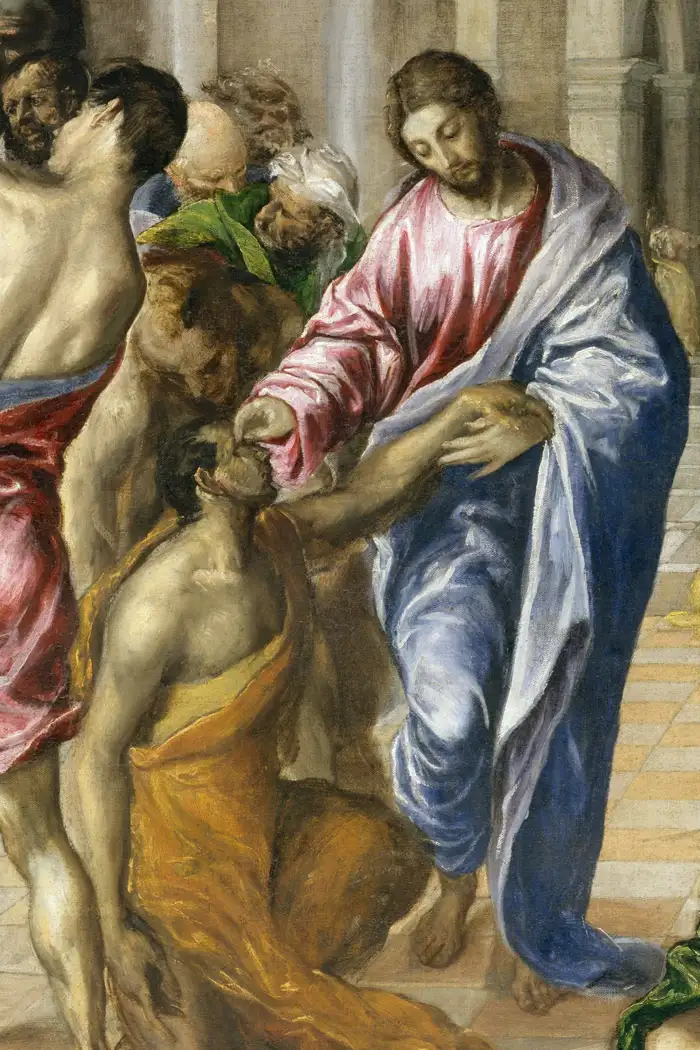
Orthodoxy
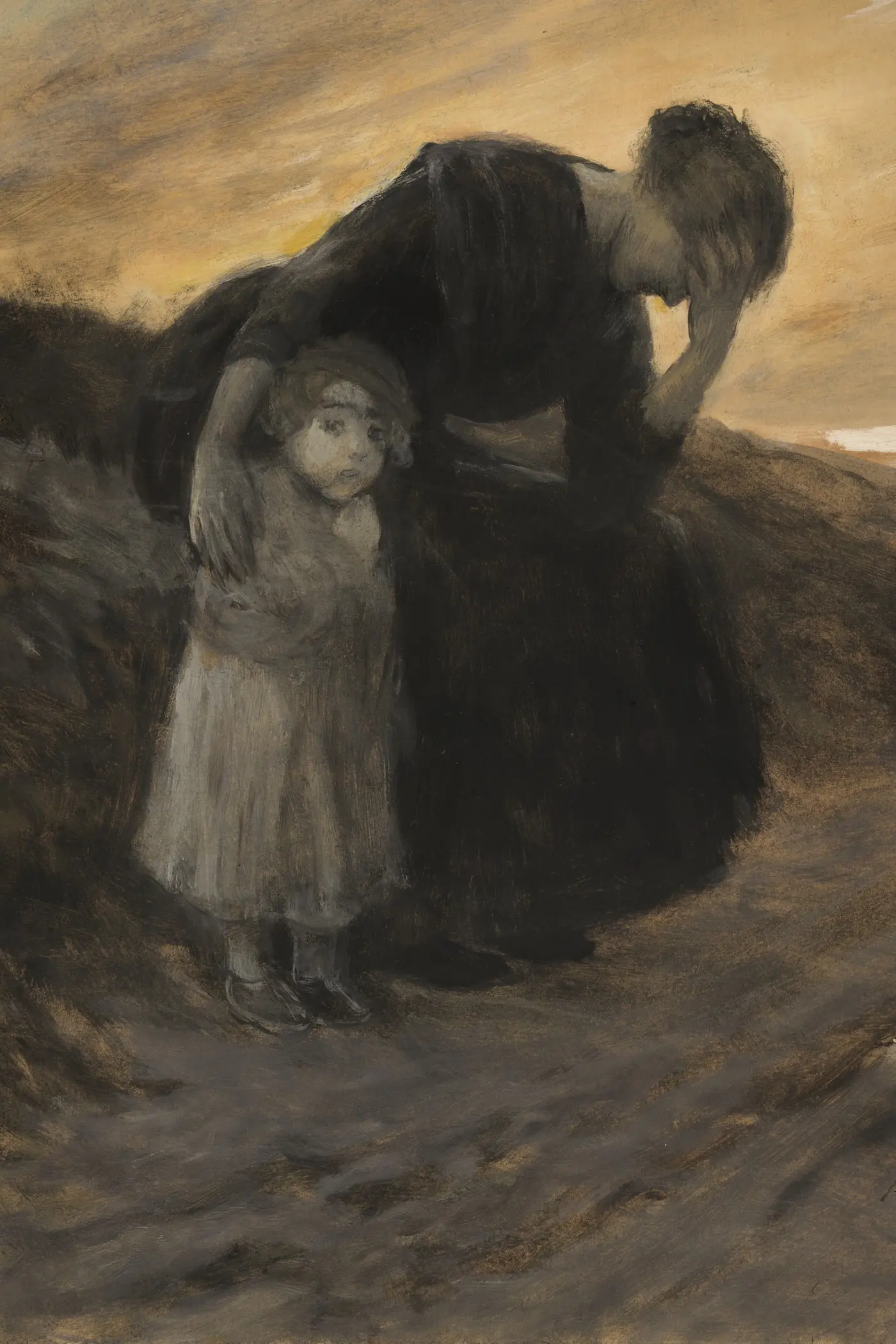
What’s Wrong with the World

The Wisdom of Father Brown
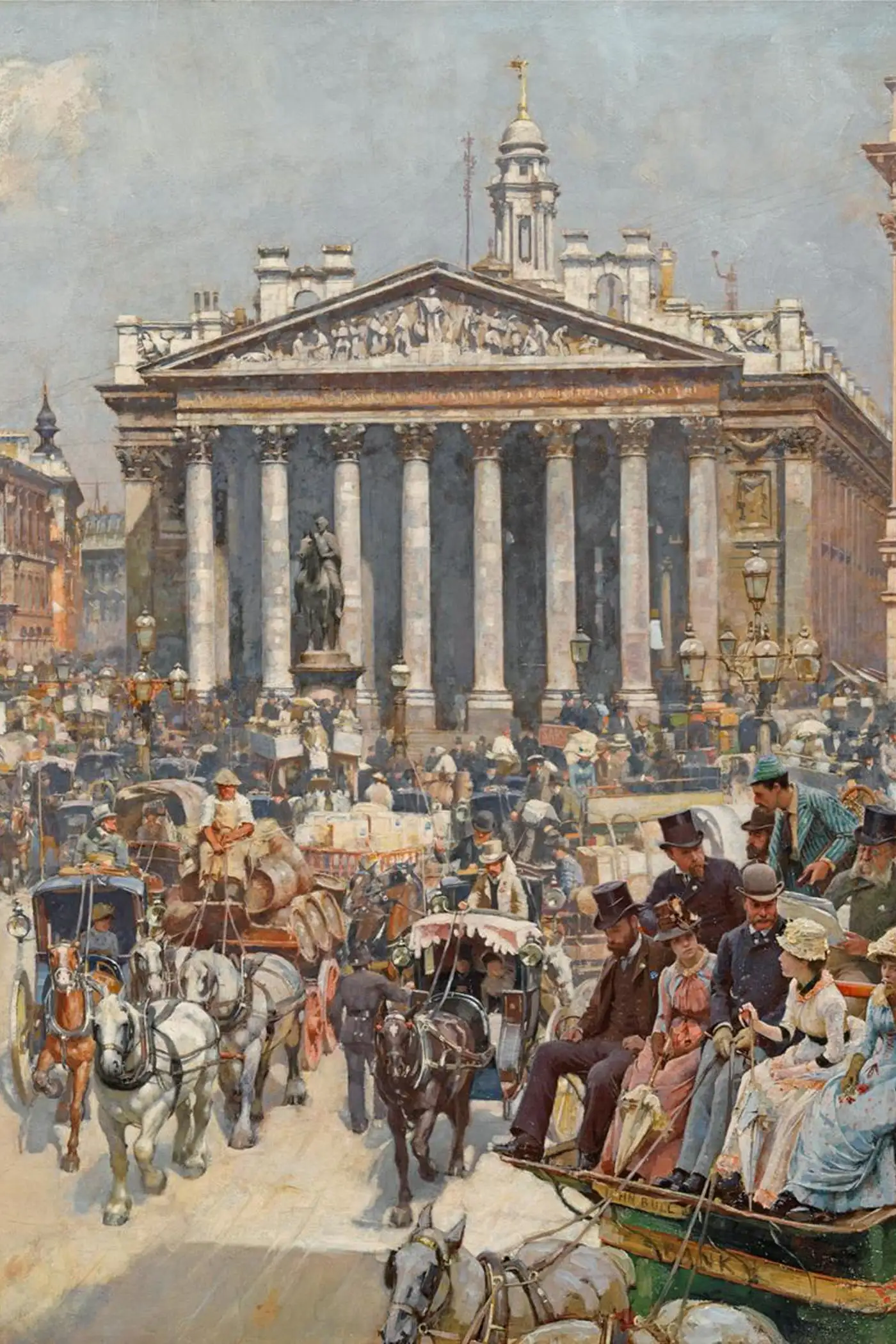
The Napoleon of Notting Hill
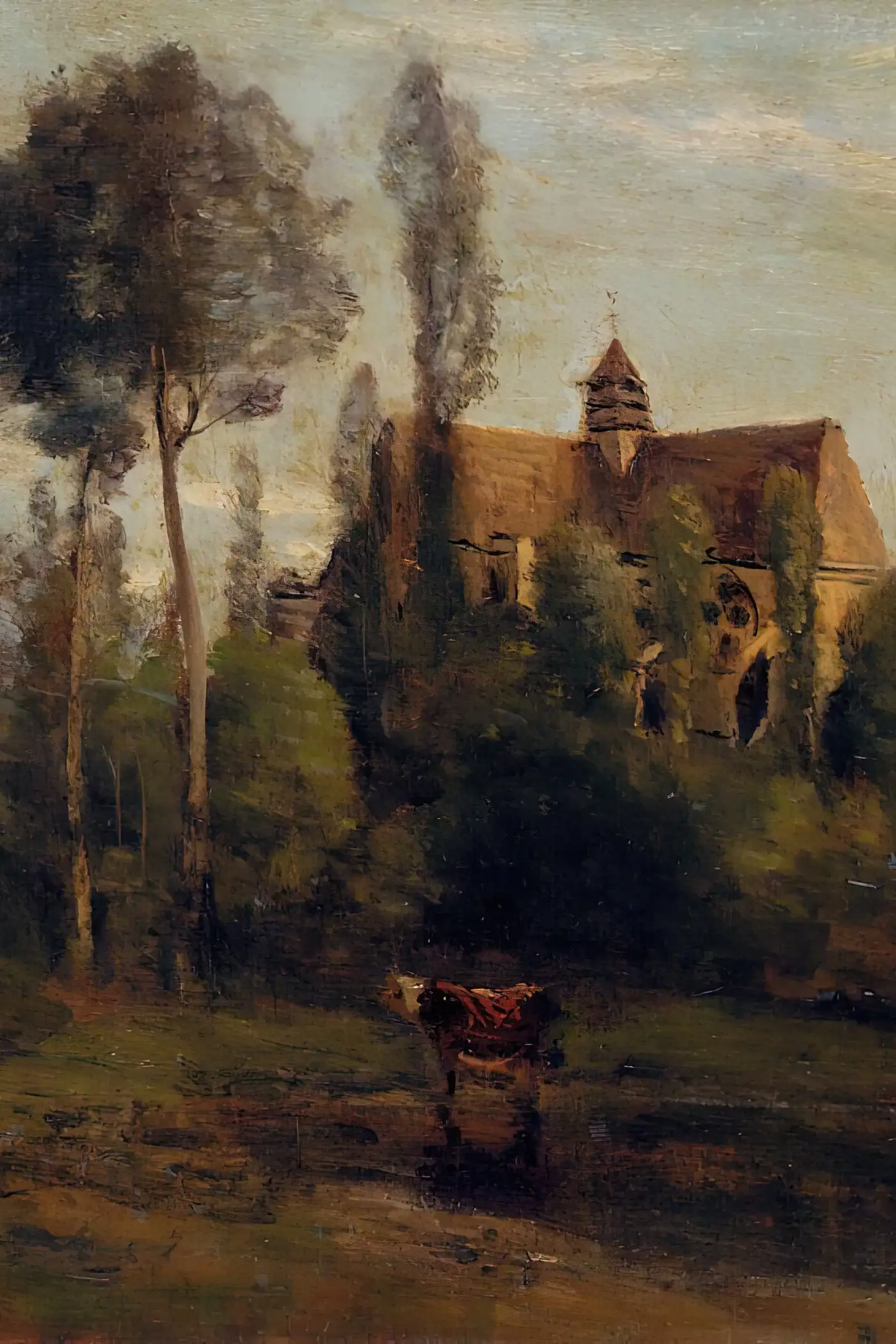
The Secret of Father Brown
The Club of Queer Trades
The Incredulity of Father Brown
Manalive
Explore by genre
Other authors you may enjoy
Why G. K. Chesterton is still read today
G. K. Chesterton remains one of the most widely quoted English writers of the twentieth century, and his works continue to attract readers across literary, philosophical, and theological interests. The Father Brown detective stories pioneered the intuitive, psychological approach to crime fiction that influenced generations of mystery writers. His apologetic works Orthodoxy and The Everlasting Man are considered foundational texts in modern Christian thought and are regularly assigned in university courses on theology and philosophy. Chesterton's social criticism and advocacy for Distributism have found renewed relevance in contemporary debates about economic inequality and the concentration of corporate power. His novels, particularly The Man Who Was Thursday, are studied as early examples of metaphysical thriller and literary surrealism.
Frequently Asked Questions
What is G. K. Chesterton best known for?
Chesterton is best known for creating the Father Brown detective series, for his Christian apologetic works Orthodoxy and The Everlasting Man, and for his novel The Man Who Was Thursday. He was also one of the most prolific essayists in English literature.
Why was Chesterton called the Prince of Paradox?
Chesterton earned the nickname because of his distinctive rhetorical style, which relied on paradoxes and inversions to challenge conventional thinking. He used wit and apparent contradictions to illuminate deeper truths about faith, society, and human nature.
How did Chesterton influence C. S. Lewis?
C. S. Lewis credited Chesterton's The Everlasting Man as one of the books that most shaped his conversion from atheism to Christianity. Lewis also admired Chesterton's ability to make Christian doctrine intellectually compelling and imaginatively vivid.
What is Distributism and why did Chesterton support it?
Distributism is an economic philosophy that advocates for the widest possible distribution of productive property among the population. Chesterton supported it as a humane alternative to both capitalism, which he saw as concentrating wealth, and socialism, which he saw as concentrating power in the state.
Are the Father Brown stories based on a real person?
Father Brown was partly inspired by Father John O'Connor, a Catholic priest who was Chesterton's friend and eventually received him into the Catholic Church. O'Connor's surprising knowledge of human wickedness, gained through the confessional, inspired the character's method of crime-solving.
How many books did G. K. Chesterton write?
Chesterton wrote approximately eighty books during his lifetime, along with several hundred poems, around two hundred short stories, over four thousand essays, and several plays. His output was remarkably diverse, spanning fiction, theology, biography, literary criticism, and social commentary.
Essential cookies keep you signed in and save your reading progress. Analytics cookies help us understand how the site is used. You can reject analytics — we still work without them. Learn more in our Privacy Policy.