The Clue of the New Pin
What is The Clue of the New Pin about?
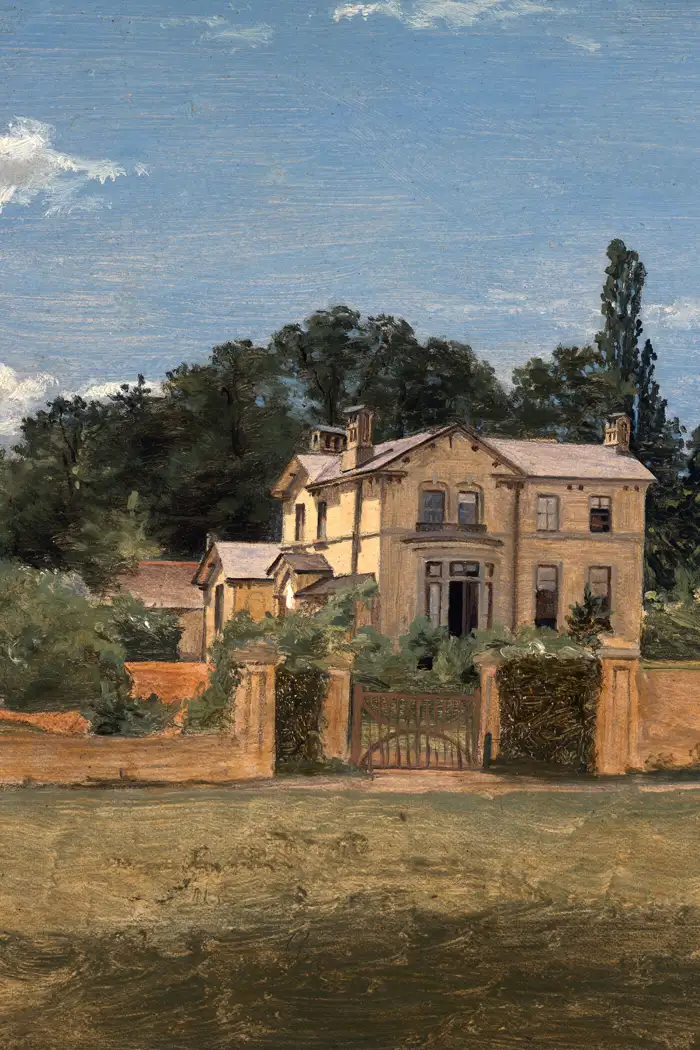
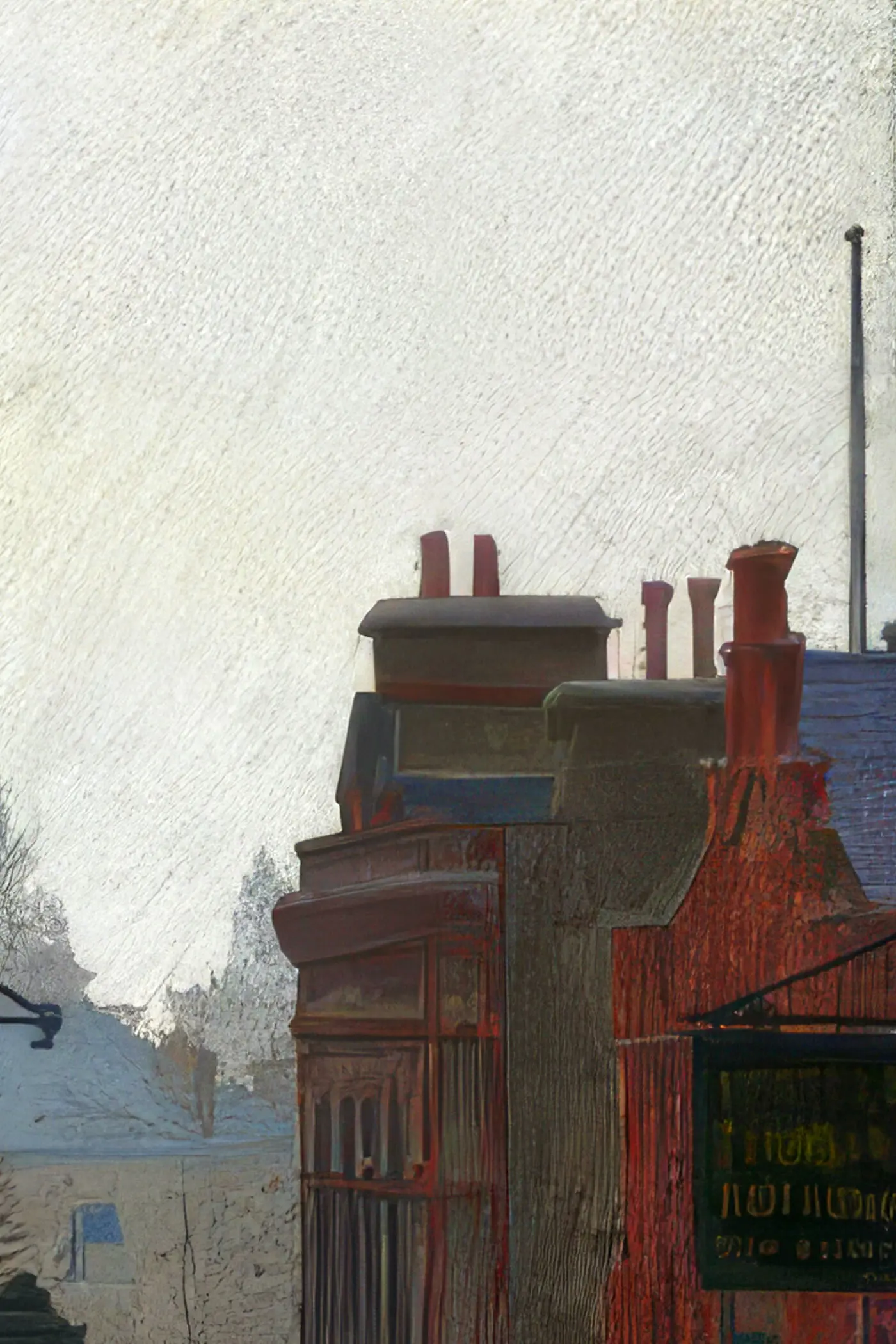
The Clue of the New Pin is a detective novel by Edgar Wallace, first published in 1923. The story centers on Jesse Trasmere, a wealthy and secretive recluse who is found murdered in his locked study, leaving behind a fortune in hidden assets and a tangle of suspicious associates. Investigator Tab Holland works to unravel the crime, following a trail that leads through the foggy back streets of London—including the atmospheric Chinese restaurant run by Yeh Ling, situated on the fringes of the city's theatrical district. The titular clue, a new pin found near the body, becomes a pivotal piece of evidence pointing toward the killer's identity. Wallace constructs the narrative with his characteristic economy of prose, rapid pacing, and a large cast of characters whose motives shift under scrutiny. The novel exemplifies the Golden Age British mystery tradition, combining urban atmosphere with procedural investigation. Wallace was among the most prolific crime writers of the early twentieth century, and this work demonstrates his skill at embedding a tightly plotted whodunit within a vividly rendered London milieu. The atmospheric contrast between genteel commerce and street-level disorder, established in the opening pages, runs throughout the novel as a thematic backdrop.
Main themes in The Clue of the New Pin
Wealth and secrecy
The Clue of the New Pin thoughtfully explores wealth and secrecy through its central conflicts.
Urban class division
The theme of urban class division weaves through The Clue of the New Pin, adding depth to its narrative.
Criminal investigation and deduction
The Clue of the New Pin thoughtfully explores criminal investigation and deduction through its central conflicts.
Identity and deception
In The Clue of the New Pin, identity and deception provides a lens for understanding the story's core message.
Why The Clue of the New Pin is still relevant today
Edgar Wallace's London mysteries retain relevance as social documents of interwar Britain, capturing class tensions, urban poverty, and the mechanics of inherited wealth. The Clue of the New Pin reflects anxieties about secretive financial hoarding and the opacity of old money that resonate in contemporary discussions of economic inequality. Wallace's multicultural London—where a Chinese restaurateur occupies a symbolic threshold between the respectable and the marginal—also invites modern readers to examine how race and place were constructed in popular fiction of the era. For crime fiction enthusiasts, the novel is a foundational example of the locked-room mystery subgenre. Readers interested in the development of detective fiction before Agatha Christie's dominance will find Wallace's work an important reference point. The novel is available to read free on TextStack.
More by this author

Frequently Asked Questions
What is The Clue of the New Pin about?
The Clue of the New Pin is a detective novel by Edgar Wallace in which investigator Tab Holland probes the murder of Jesse Trasmere, a wealthy recluse found dead in his locked study. The investigation leads through the streets of London and hinges on a single unusual piece of physical evidence—a new pin discovered near the body.
Is The Clue of the New Pin difficult to read?
The novel is written in clear, accessible early twentieth-century English and is considered a straightforward read for most adults. Wallace's prose is direct and fast-paced, though some period slang and references to Edwardian London geography may benefit from brief context for modern readers.
How long does it take to read The Clue of the New Pin?
The Clue of the New Pin is a relatively short detective novel, typically around 60,000 to 70,000 words. Most readers finish it in four to six hours. It is available to read in full at no cost on TextStack, where reading progress is tracked automatically.
What are the main themes in The Clue of the New Pin?
The novel explores wealth and secrecy, the social geography of Edwardian London, criminal deduction, and the tension between outward respectability and hidden corruption. The contrast between the city's prosperous and impoverished districts runs throughout as both setting and theme.