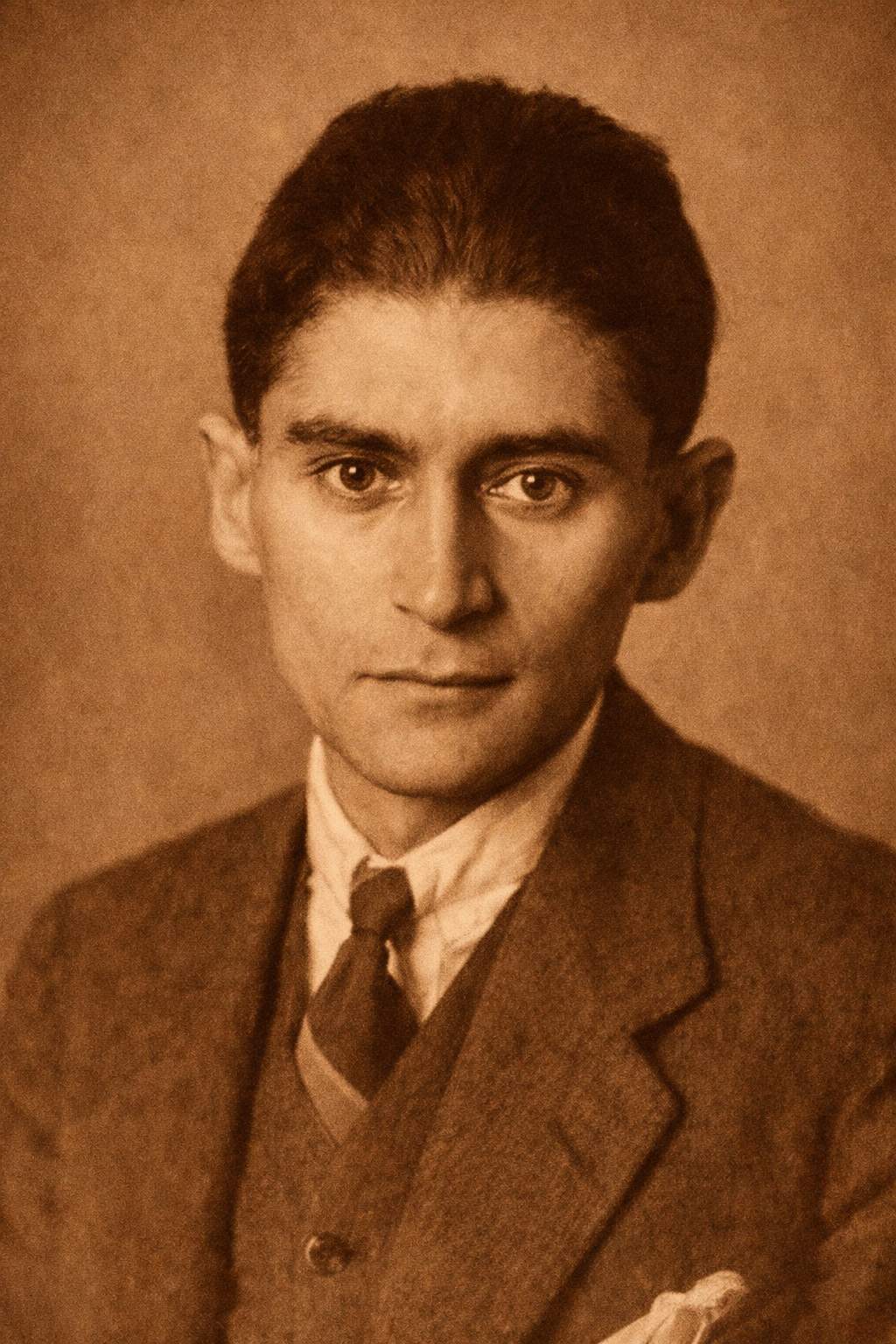
Franz Kafka
Biography
Franz Kafka (1883–1924) was a German-language novelist and short story writer from Prague, widely regarded as one of the most important figures in twentieth-century literature. His surreal, nightmarish fiction explores themes of alienation, bureaucratic absurdity, guilt, and the impossibility of communication. Major works include The Trial, The Castle, and The Metamorphosis. Kafka published little during his lifetime and instructed his friend Max Brod to burn his manuscripts after his death—an instruction Brod famously ignored, preserving some of the most influential literature of the modern era. The word "Kafkaesque" has entered common usage to describe absurdly complex and frustrating situations.
Common themes in Franz Kafka's work
Modernist Literature
A recurring theme throughout Franz Kafka's writing.
Absurdism
A recurring theme throughout Franz Kafka's writing.
Bureaucratic Nightmare
A recurring theme throughout Franz Kafka's writing.
Alienation
A recurring theme throughout Franz Kafka's writing.
Books
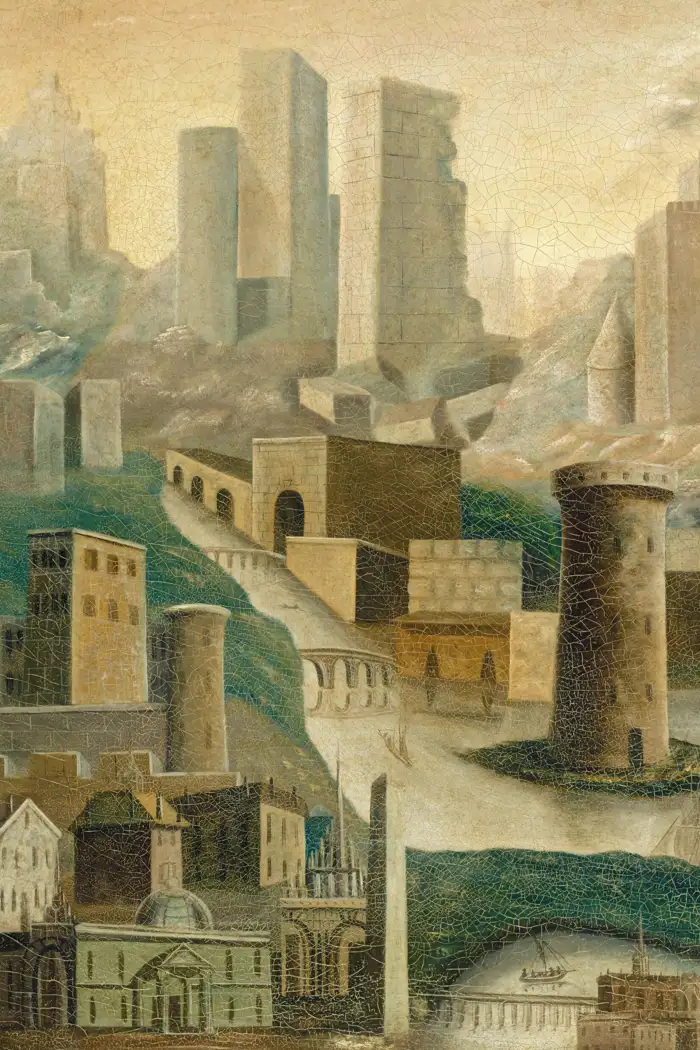
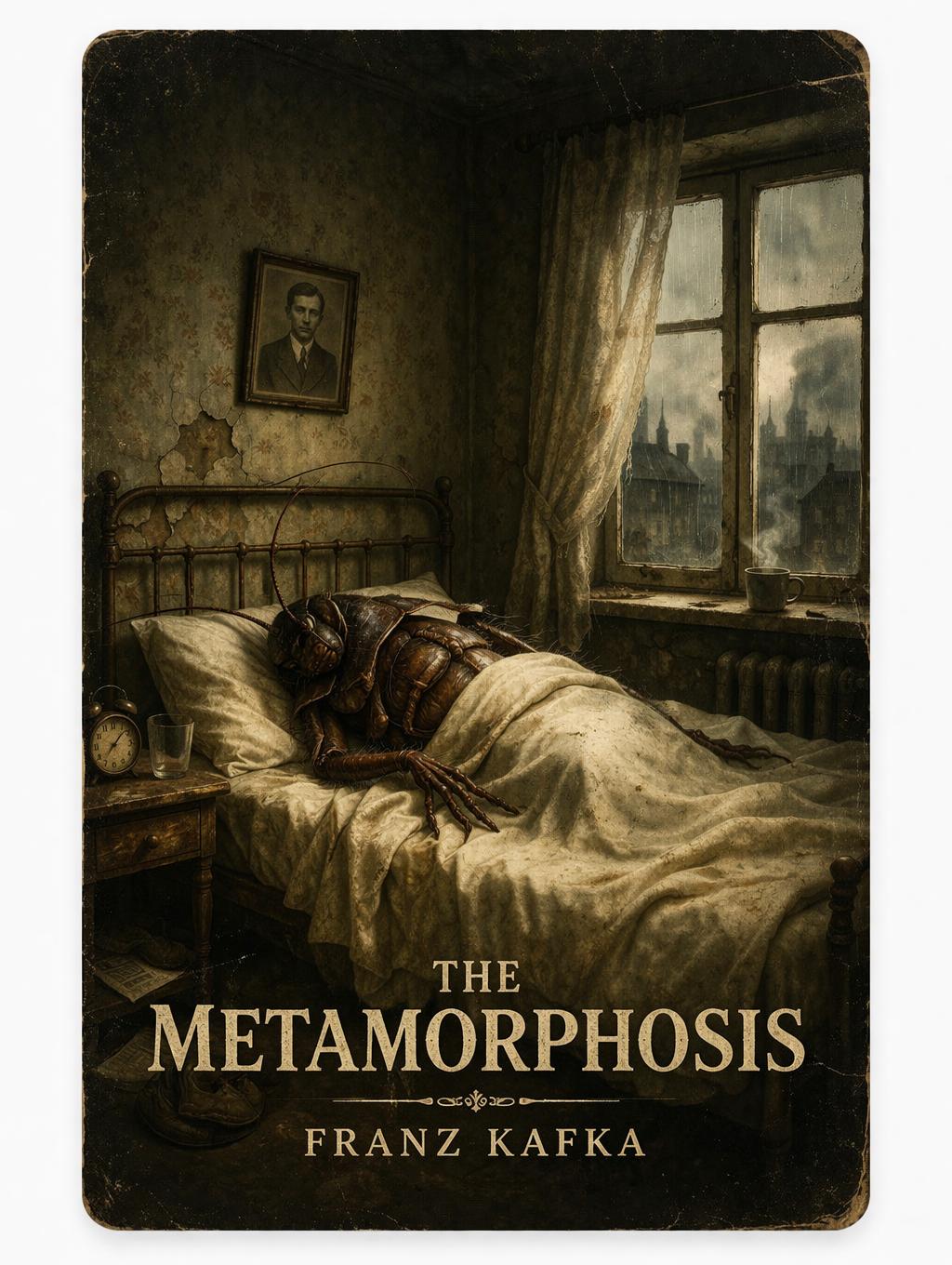

Explore by genre
Other authors you may enjoy
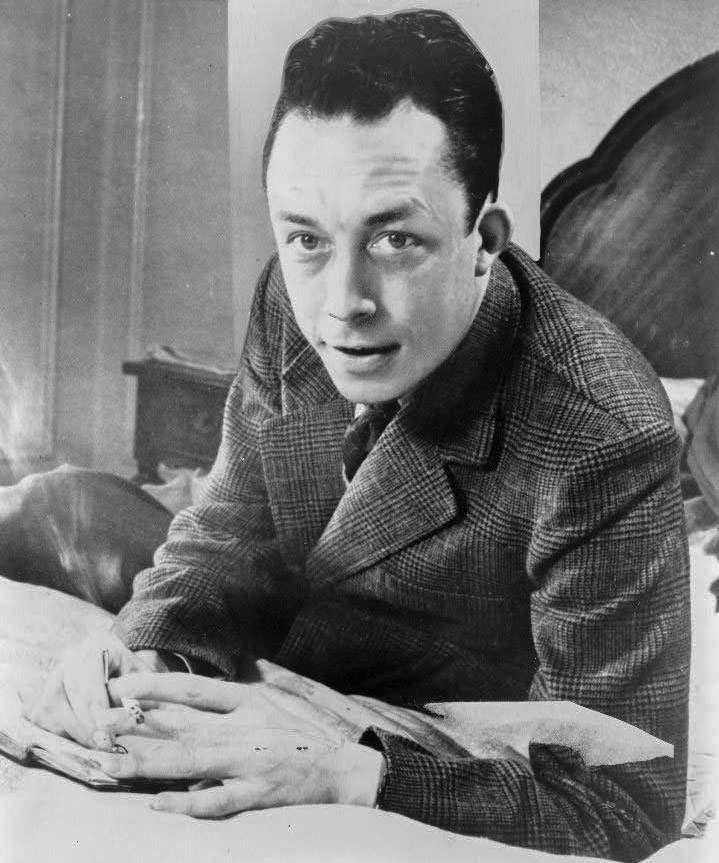
Why Franz Kafka is still read today
Kafka is one of the most influential writers of the modern era. His vision of a world governed by incomprehensible bureaucratic forces has become the defining metaphor for modern alienation.
Frequently Asked Questions
Who was Franz Kafka?
Kafka was a Prague-born writer whose surreal, nightmarish fiction about alienation and bureaucracy made him one of the most influential authors of the 20th century.
What is The Castle about?
A land surveyor arrives at a village governed by an impenetrable castle bureaucracy that he can never reach or understand. Read it free on TextStack.
What does Kafkaesque mean?
Absurdly complex, frustrating, or nightmarish in a way that resembles Kafka's fiction—especially involving impenetrable bureaucracy.
Essential cookies keep you signed in and save your reading progress. Analytics cookies help us understand how the site is used. You can reject analytics — we still work without them. Learn more in our Privacy Policy.