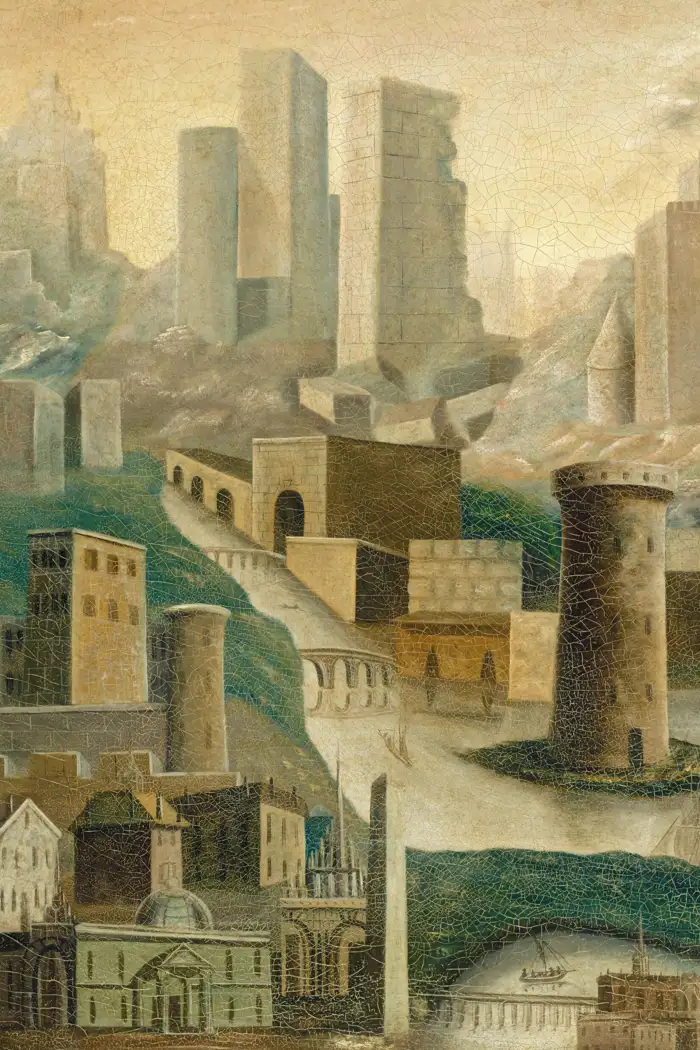
The Castle
What is The Castle about?
The Castle (Das Schloss, 1926) is Franz Kafka's unfinished novel about a land surveyor known only as K. who arrives in a village governed by a mysterious Castle bureaucracy. K. has ostensibly been summoned to work, but the Castle authorities deny any knowledge of his appointment. His attempts to gain entry to the Castle, confirm his position, and establish his identity are endlessly frustrated by incomprehensible bureaucratic procedures, contradictory messages, and officials who are simultaneously present and inaccessible. The novel is Kafka's most sustained exploration of the individual's helplessness before impenetrable systems of authority.
Main themes in The Castle
Bureaucratic Absurdity
The theme of bureaucratic absurdity weaves through The Castle, adding depth to its narrative.
Impenetrable Authority
Impenetrable Authority emerges as a defining element in The Castle, shaping character development.
Identity and Access
In The Castle, identity and access provides a lens for understanding the story's core message.
Kafkaesque
The theme of kafkaesque weaves through The Castle, adding depth to its narrative.
Why The Castle is still relevant today
The Castle is Kafka's most powerful exploration of bureaucratic absurdity and human helplessness. Its vision of impenetrable institutional authority has never felt more relevant.
More by this author
Frequently Asked Questions
What is The Castle about?
A man arrives to work in a village but can never reach or communicate with the Castle bureaucracy that governs it.
Is The Castle finished?
No—Kafka left it incomplete, which many readers feel adds to its power, as K.'s quest is inherently unresolvable.
Where can I read The Castle online?
You can read it free on TextStack.