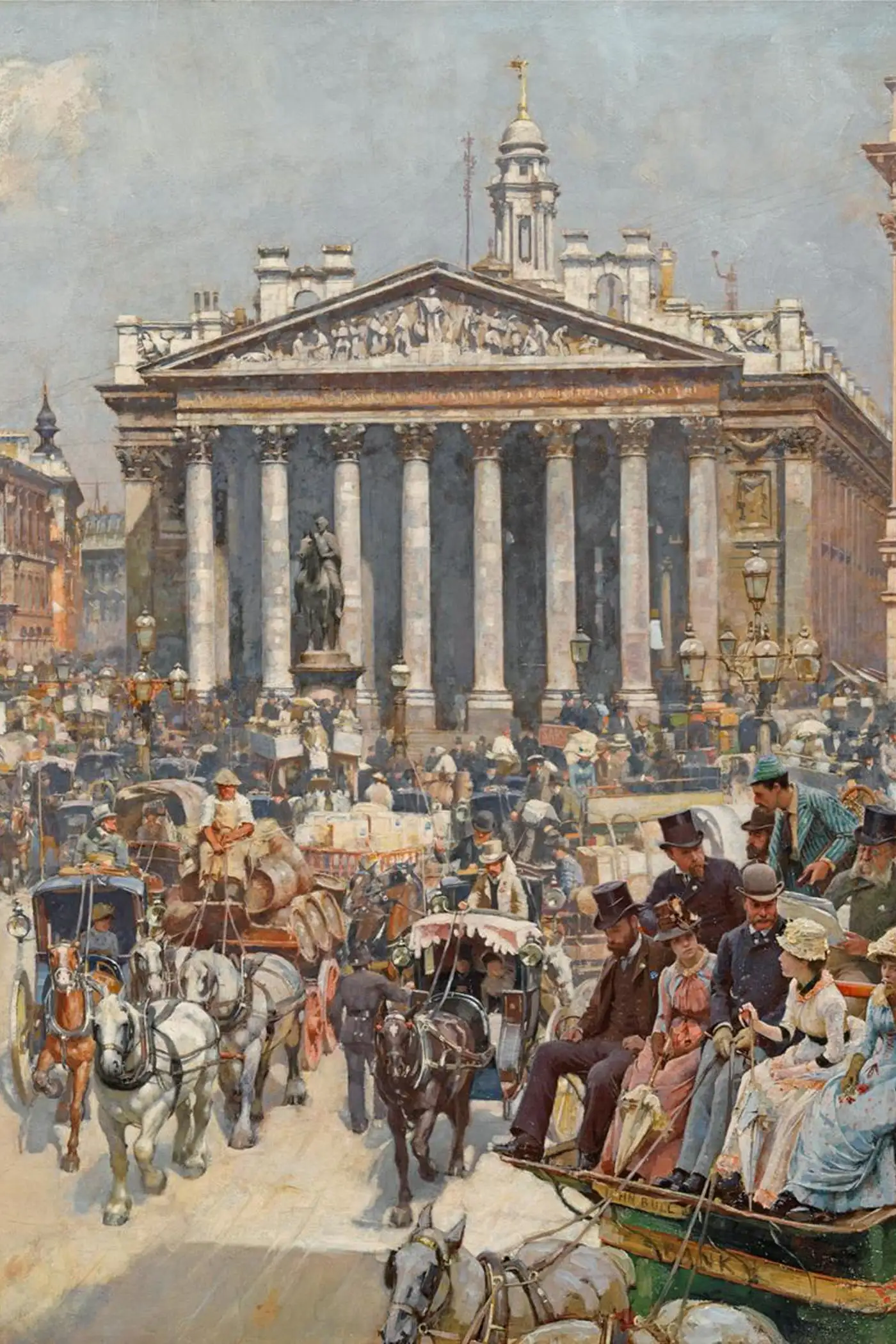
The Napoleon of Notting Hill
What is The Napoleon of Notting Hill about?
The Napoleon of Notting Hill (1904) is G. K. Chesterton's first novel, a prophetic and exuberant satire set in a future London of 1984 where nothing has changed. In this stagnant world, the King of England is chosen at random from the civil service, and when the humorous prankster Auberon Quin is selected, he decides to amuse himself by reviving medieval pageantry in London's boroughs, giving each neighborhood its own heraldry, charter, and provost. What Quin intends as a joke becomes deadly serious when Adam Wayne, the young Provost of Notting Hill, takes the medieval revival entirely to heart. When a government road scheme threatens to demolish Pump Street, the commercial center of his beloved neighborhood, Wayne raises an army and fights for Notting Hill's independence with genuine passion and military cunning. The resulting conflict between Quin's irony and Wayne's sincerity forms the philosophical core of the novel. Chesterton uses this fantastical premise to explore the value of local loyalty, the dignity of small places, and the danger of a world ruled entirely by efficiency and bureaucratic progress. The novel is both a comedy and a serious meditation on patriotism, the human need for belonging, and the tension between humor and earnestness. Written two decades before the rise of European fascism, the novel's warnings about the erasure of local identity in favor of centralized planning remain remarkably prescient.
Main themes in The Napoleon of Notting Hill
Local Patriotism
Local Patriotism emerges as a defining element in The Napoleon of Notting Hill, shaping character development.
Humor vs Sincerity
The presence of humor vs sincerity in The Napoleon of Notting Hill connects readers to its enduring relevance.
Critique of Progress
The Napoleon of Notting Hill thoughtfully explores critique of progress through its central conflicts.
Medieval Romance in Modern Life
Medieval Romance in Modern Life emerges as a defining element in The Napoleon of Notting Hill, shaping character development.
Why The Napoleon of Notting Hill is still relevant today
The Napoleon of Notting Hill was Chesterton's first novel and established many of the themes he would explore throughout his career: the value of locality, the critique of soulless progress, and the creative tension between humor and sincerity. The novel is notable for being set in 1984, eighty years before Orwell's famous dystopia, and for its prescient exploration of how bureaucratic centralization threatens community identity. It is studied in courses on early twentieth-century English literature and utopian/dystopian fiction. The novel's defense of small communities and local self-governance has found renewed relevance in contemporary debates about globalization and urban development.
More by this author

Frequently Asked Questions
When was The Napoleon of Notting Hill written and set?
The novel was written in 1904 and is set eighty years in the future, in 1984. Chesterton imagined a London that had barely changed, satirizing the idea that progress would transform everything. The date coincidentally matches George Orwell's later dystopian novel.
What is The Napoleon of Notting Hill about?
The novel is about what happens when a prankster king gives London's boroughs medieval charters as a joke, and one young man takes the joke seriously enough to wage war to defend his neighborhood from demolition. It explores the conflict between irony and sincerity, and the value of local loyalty.
Is The Napoleon of Notting Hill a dystopia?
It is closer to a satirical utopia gone stale. London in 1984 is peaceful but spiritually dead, governed by routine and bureaucratic efficiency. The eruption of genuine passion through Adam Wayne's revolt is presented as a necessary corrective to comfortable stagnation.
How does this novel relate to Chesterton's other work?
The Napoleon of Notting Hill introduces themes Chesterton would develop throughout his career: the critique of impersonal progress, the defense of local community, the importance of wonder and passion, and the creative interplay between comedy and seriousness.
Who is Adam Wayne?
Adam Wayne is the young Provost of Notting Hill who takes King Quin's medieval revival seriously. He becomes a passionate military leader defending his neighborhood from government demolition, embodying Chesterton's belief that genuine love for one's home is both noble and necessary.