John Locke
Biography
John Locke (1632–1704) was an English philosopher and physician, widely regarded as the father of liberalism and one of the most influential Enlightenment thinkers. Born in Wrington, Somerset, he studied at Christ Church, Oxford, and became a physician and political advisor. His Two Treatises of Government (1689) laid the philosophical foundation for constitutional government, natural rights, and the social contract—directly influencing the American Declaration of Independence and the French Revolution. His Essay Concerning Human Understanding established empiricism as the dominant epistemology. His Some Thoughts Concerning Education influenced progressive educational theory for centuries.
Common themes in John Locke's work
Political philosophy
A recurring theme throughout John Locke's writing.
Natural rights
A recurring theme throughout John Locke's writing.
Social contract
A recurring theme throughout John Locke's writing.
Enlightenment
A recurring theme throughout John Locke's writing.
Books

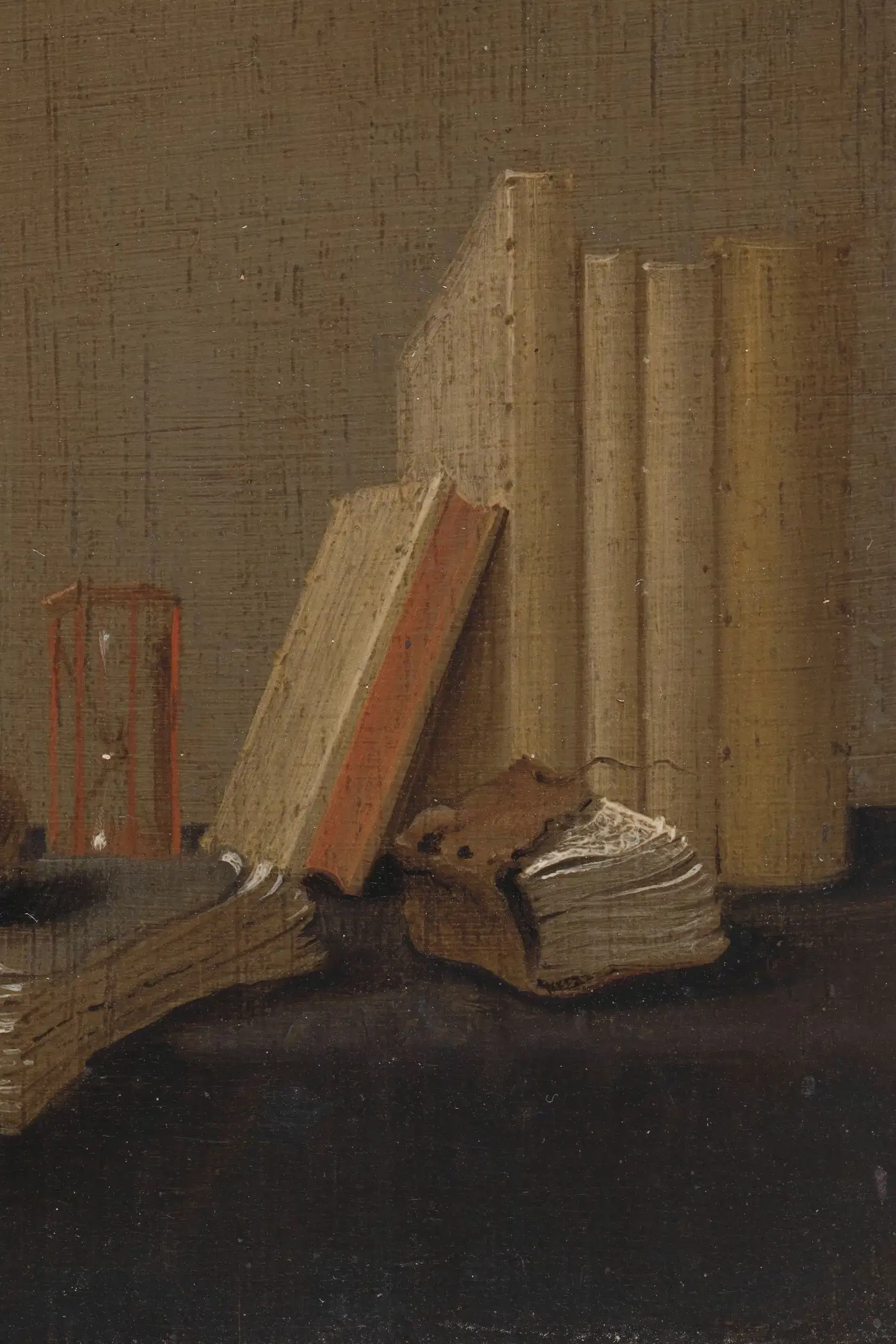
Explore by genre
Other authors you may enjoy
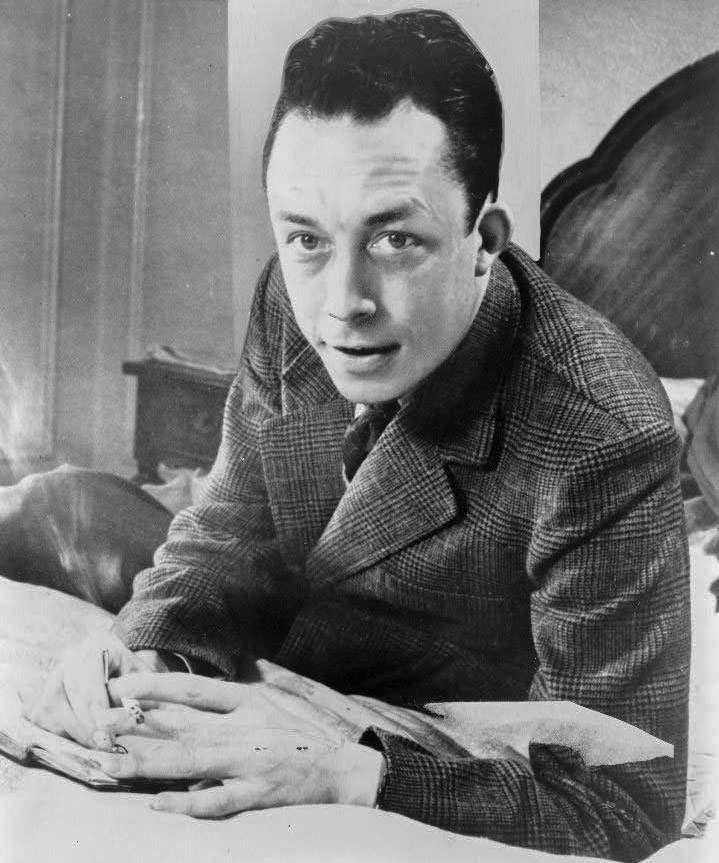
Why John Locke is still read today
Locke’s political philosophy underpins modern democracy, constitutionalism, and human rights. His ideas about natural rights, consent of the governed, and limited government directly shaped the American and French Revolutions.
Frequently Asked Questions
Who was John Locke?
John Locke (1632–1704) was an English philosopher considered the father of liberalism, whose ideas about natural rights and government shaped modern democracy.
What are his major works?
Two Treatises of Government and Some Thoughts Concerning Education. Both are available free on TextStack.
How did he influence American democracy?
Jefferson drew directly on Locke’s ideas about natural rights, consent of the governed, and the right of revolution in writing the Declaration of Independence.
Where can I read Locke free?
TextStack offers Locke’s works to read free online.
Essential cookies keep you signed in and save your reading progress. Analytics cookies help us understand how the site is used. You can reject analytics — we still work without them. Learn more in our Privacy Policy.