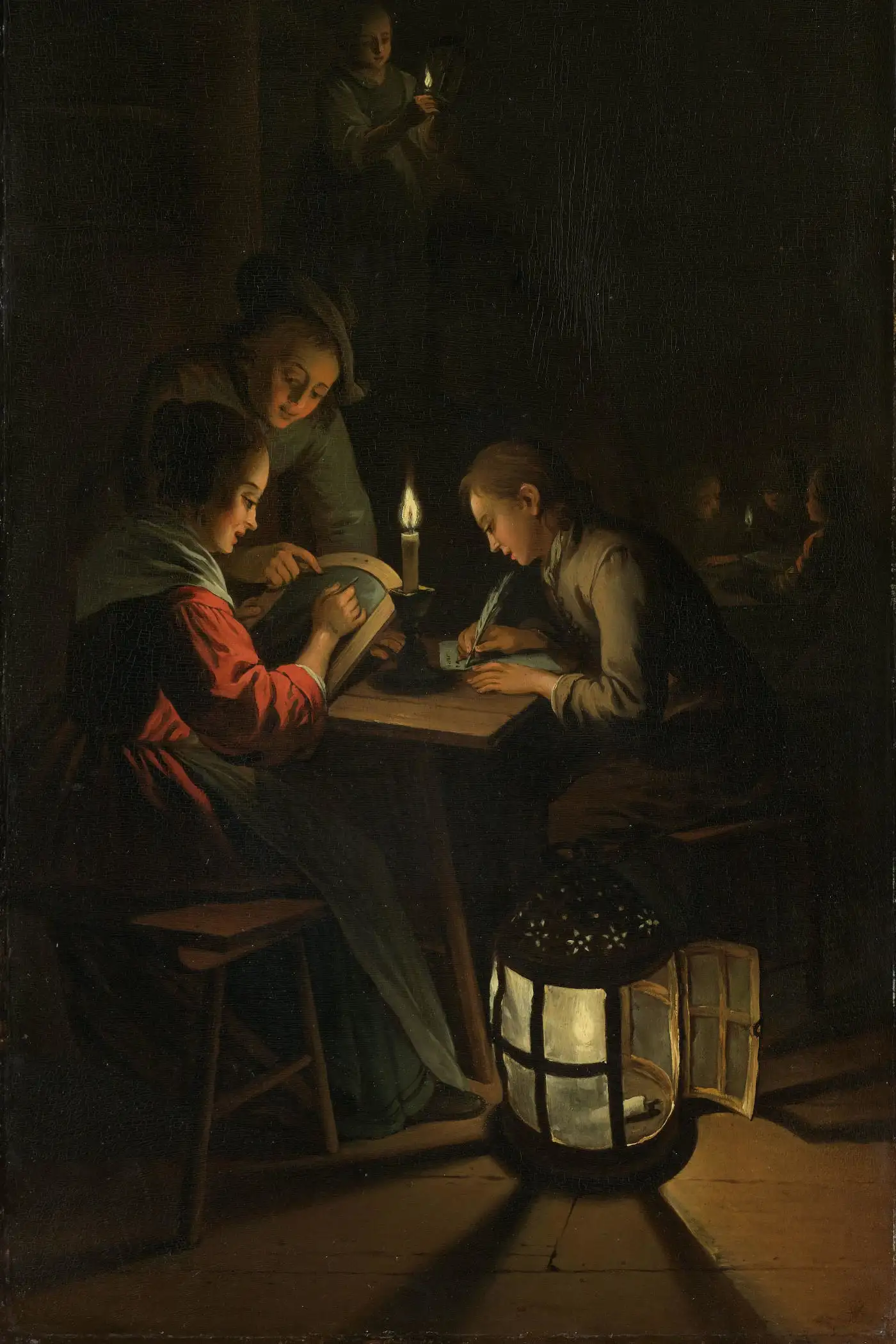
Some Thoughts Concerning Education
What is Some Thoughts Concerning Education about?
Some Thoughts Concerning Education (1693) is John Locke’s influential treatise on the education of gentlemen, developed from letters to his friend Edward Clarke about raising his son. Locke argues that the child’s mind is a blank slate (tabula rasa) and that education should develop reason, virtue, and practical skills rather than relying on rote memorization or corporal punishment. He emphasizes physical health, moral development, and learning through experience and curiosity rather than force. The work profoundly influenced Rousseau, Montessori, and progressive education movements.
Main themes in Some Thoughts Concerning Education
Education philosophy
In Some Thoughts Concerning Education, education philosophy provides a lens for understanding the story's core message.
Tabula rasa
The presence of tabula rasa in Some Thoughts Concerning Education connects readers to its enduring relevance.
Progressive education
Some Thoughts Concerning Education thoughtfully explores progressive education through its central conflicts.
Child development
Child development emerges as a defining element in Some Thoughts Concerning Education, shaping character development.
Why Some Thoughts Concerning Education is still relevant today
Some Thoughts Concerning Education pioneered progressive educational ideas that influenced Rousseau, Montessori, and modern child-centered learning. Its emphasis on nurturing curiosity over rote learning remains relevant.
More by this author
Frequently Asked Questions
What is Some Thoughts Concerning Education about?
Locke’s treatise on child-rearing arguing for education through reason, experience, and curiosity rather than rote memorization or corporal punishment.
What is tabula rasa?
Locke’s concept that the child’s mind is a blank slate, shaped by experience rather than innate ideas.
Is it still relevant?
Yes, its emphasis on experiential learning, curiosity, and moral development anticipated modern progressive education.
Can I read it free?
Yes, the complete text is available free on TextStack.