Victor Hugo
Biography
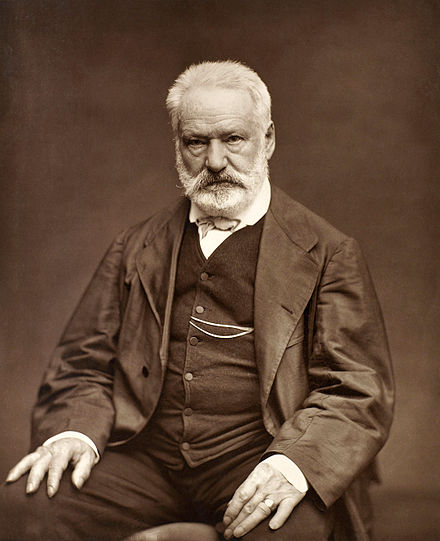
Victor Hugo (1802-1885) was a French poet, novelist, and dramatist who dominated French literature for much of the 19th century and became a national hero. Born in Besançon, he declared at fourteen, "I will be Chateaubriand or nothing," and proceeded to exceed even that ambition, becoming France's most celebrated author. Hugo's epic novels Les Misérables (1862) and The Hunchback of Notre-Dame (1831) combined sweeping historical narratives with passionate advocacy for the poor and oppressed. Les Misérables, with its unforgettable characters Jean Valjean and Javert, has inspired countless adaptations and remains one of the most beloved novels ever written. As a poet and playwright, he was equally influential, leading the French Romantic movement. Exiled for opposing Napoleon III, Hugo spent nineteen years in the Channel Islands, returning triumphantly in 1870. His funeral in 1885 drew over two million mourners. Beyond literature, Hugo championed social causes including abolition of the death penalty and universal education, making him a symbol of humanitarian ideals.
Common themes in Victor Hugo's work
Social justice
A recurring theme throughout Victor Hugo's writing.
Redemption and grace
A recurring theme throughout Victor Hugo's writing.
Love and sacrifice
A recurring theme throughout Victor Hugo's writing.
The poor and outcast
A recurring theme throughout Victor Hugo's writing.
Books
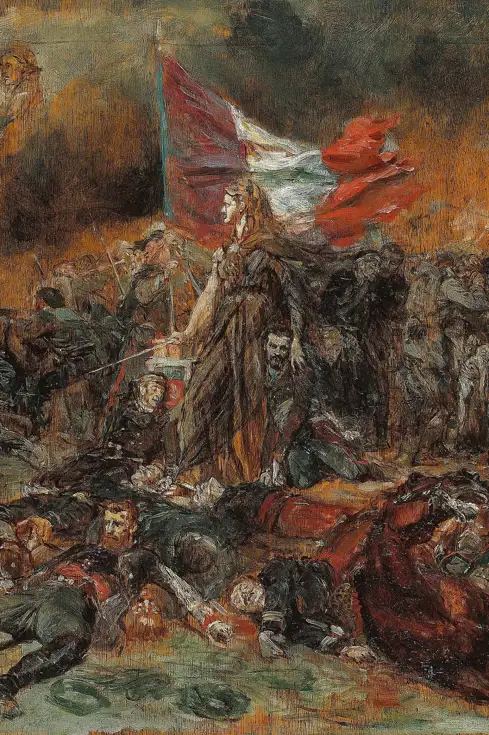
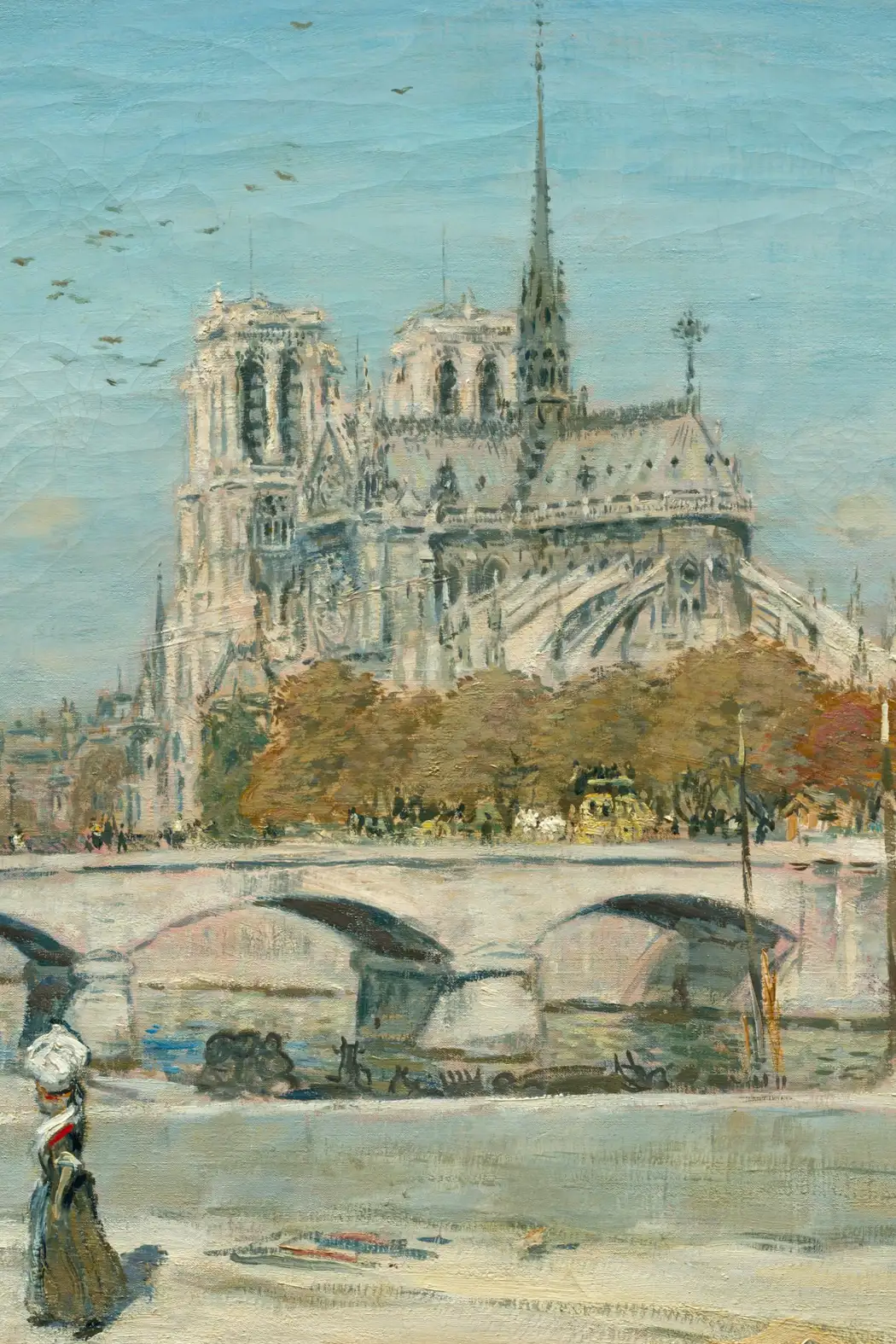
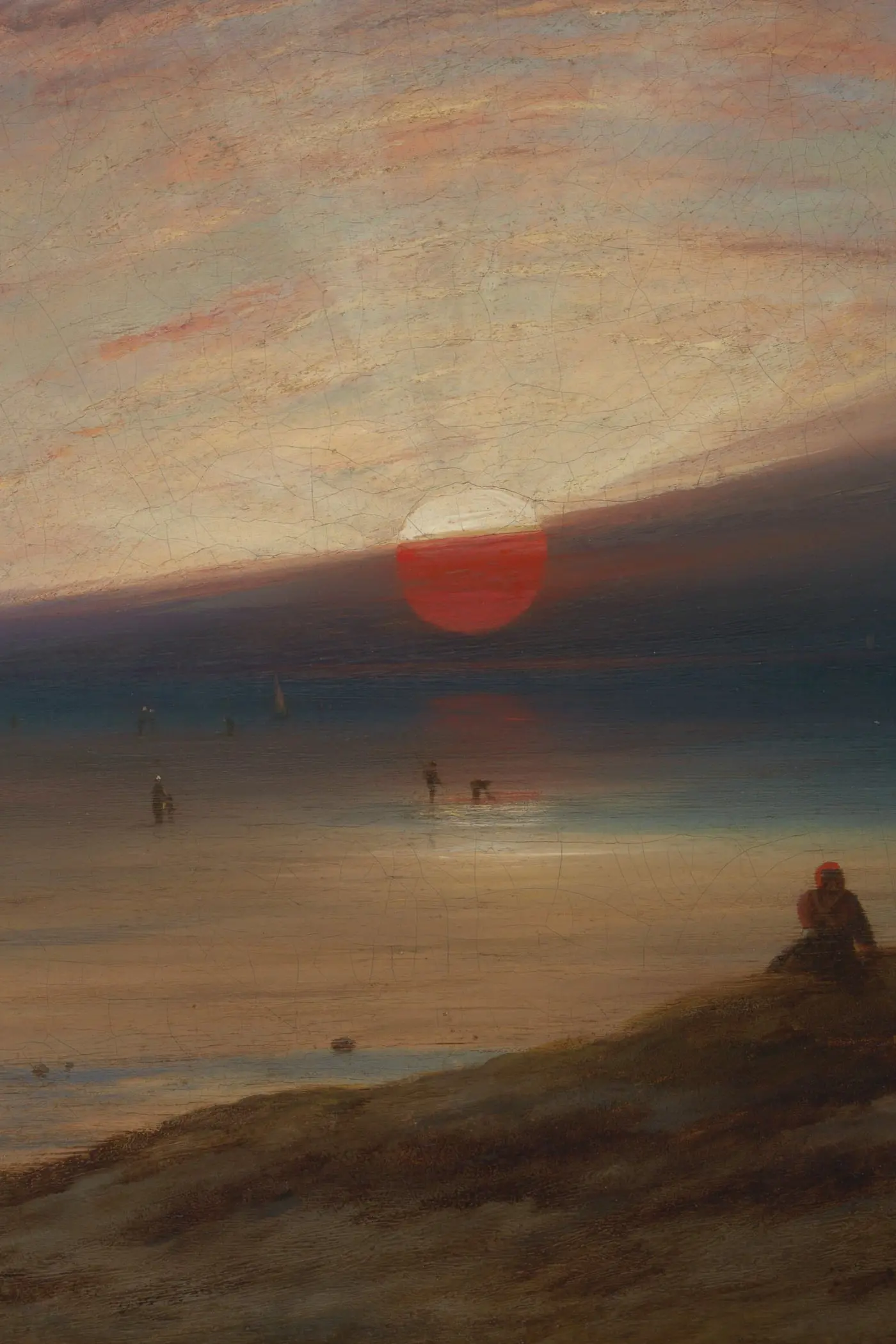
Explore by genre
Other authors you may enjoy
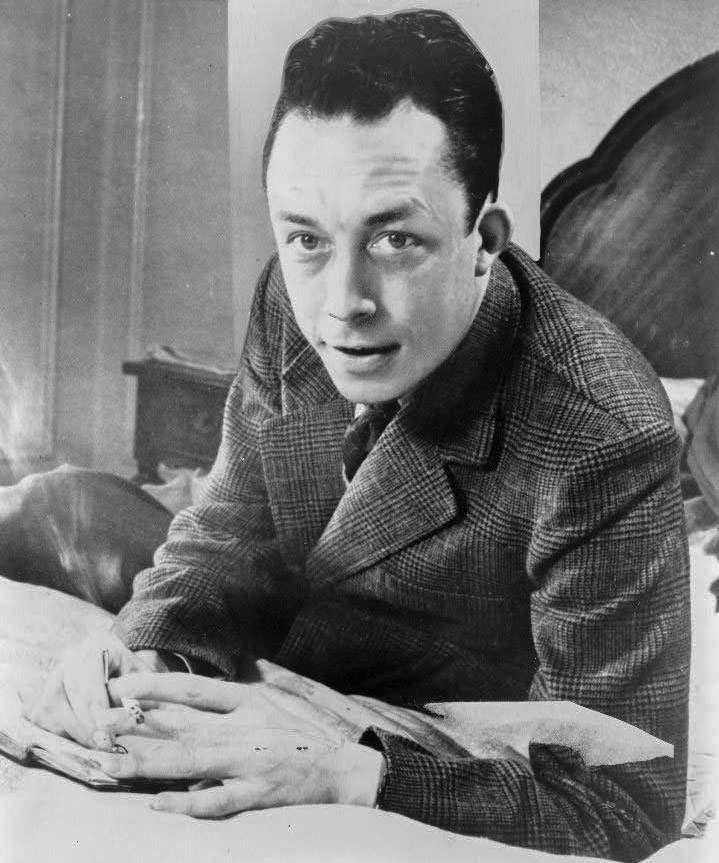
Why Victor Hugo is still read today
Victor Hugo was the titan of French Romanticism, producing poetry, novels, and plays that defined 19th-century literature. Les Misérables and Notre-Dame de Paris became global phenomena, adapted countless times for stage and screen. Hugo's social conscience—advocacy for the poor, against capital punishment, for human rights—gave his work moral force beyond entertainment. Hugo remains France's national literary hero, his funeral drawing millions. His novels combined epic scope with intimate human drama, making complex social arguments through unforgettable characters like Jean Valjean and Quasimodo. The musical adaptation of Les Misérables has introduced his work to new generations, proving his themes of justice, redemption, and love remain universal.
Frequently Asked Questions
What is Victor Hugo best known for?
Hugo is best known for Les Misérables and Notre-Dame de Paris (The Hunchback of Notre Dame). Both have been adapted repeatedly for film and stage. The Les Misérables musical is one of the longest-running in history.
Was Victor Hugo politically active?
Intensely so. Hugo served in the French legislature, opposed Napoleon III's coup, and lived in exile for 19 years. He advocated for abolishing capital punishment, improving conditions for the poor, and universal education.
Where should I start reading Victor Hugo?
Notre-Dame de Paris is shorter and more focused than Les Misérables. For Hugo's full power, Les Misérables rewards committed readers, though it's very long. Both are best read complete rather than abridged.
Are Victor Hugo's novels difficult to read?
Hugo's novels include lengthy digressions on history, architecture, and social issues. Les Misérables famously spends 50 pages on the Battle of Waterloo. Patient readers find these digressions rewarding; others skip them.
Essential cookies keep you signed in and save your reading progress. Analytics cookies help us understand how the site is used. You can reject analytics — we still work without them. Learn more in our Privacy Policy.