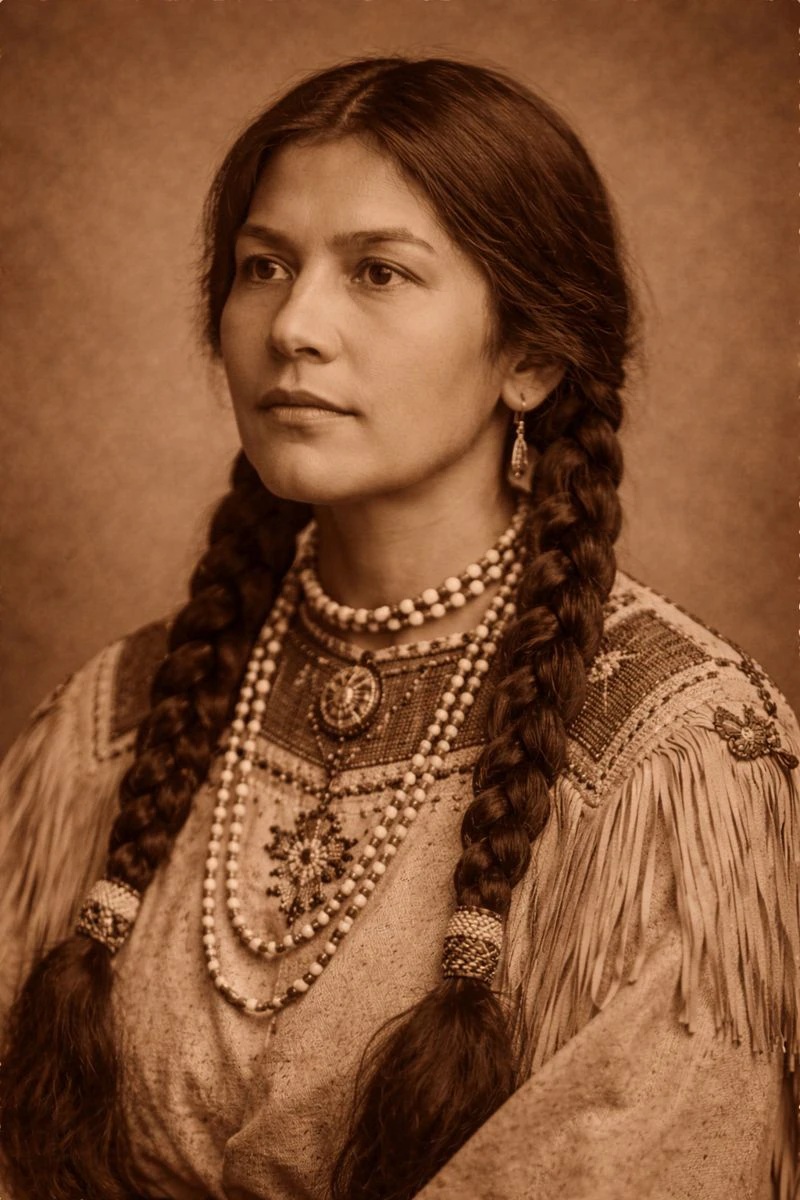
Zitkála-Šá
Biography
Zitkála-Šá was a Dakota writer, editor, translator, and activist whose work bridged Indigenous oral tradition and written English literature. Born in 1876 on the Yankton Sioux Reservation, she later received formal education in missionary and boarding schools, experiences that deeply shaped her literary and political voice. Her writing focuses on Native American identity, cultural loss, resistance, and the conflict between Indigenous traditions and forced assimilation. In works such as Old Indian Legends and her autobiographical essays, Zitkála-Šá retold traditional Dakota stories while also critiquing the injustices faced by Native peoples in the United States. Beyond literature, she was a prominent advocate for Indigenous rights, co-founding organizations dedicated to Native American citizenship and self-determination. Today, Zitkála-Šá is recognized as a foundational figure in Native American literature and an important voice in early twentieth-century American cultural history.
Common themes in Zitkála-Šá's work
Native American identity and culture
A recurring theme throughout Zitkála-Šá's writing.
Assimilation and resistance
A recurring theme throughout Zitkála-Šá's writing.
Traditional storytelling
A recurring theme throughout Zitkála-Šá's writing.
Boarding school trauma
A recurring theme throughout Zitkála-Šá's writing.
Books
Explore by genre
Other authors you may enjoy
Why Zitkála-Šá is still read today
Zitkála-Šá (Gertrude Simmons Bonnin) stands as a pioneering Native American writer, activist, and composer whose work documented indigenous experience at a crucial historical moment. Her autobiographical writings describe the trauma of forced assimilation at boarding schools while preserving Dakota cultural traditions. As an activist, she co-wrote an exposé on government corruption in Indian affairs and worked with the Society of American Indians. Her collection of traditional Dakota stories in Old Indian Legends helped preserve oral traditions threatened by colonial policies. Contemporary Native American literature and cultural preservation movements recognize her as a foundational figure. Her work addresses questions of identity, cultural survival, and resistance that remain urgent today.
Frequently Asked Questions
Who was Zitkála-Šá?
Zitkála-Šá (1876-1938), born Gertrude Simmons, was a Yankton Dakota writer, musician, and activist. Her Lakota name means 'Red Bird.' She documented Native American experiences, preserved traditional stories, composed an opera, and fought for indigenous rights throughout her life.
What is Old Indian Legends?
Published in 1901, Old Indian Legends collects traditional Dakota stories Zitkála-Šá heard growing up and gathered from tribal elders. By transcribing oral traditions into English, she helped preserve stories threatened by assimilation policies while making them accessible to wider audiences.
What did Zitkála-Šá write about boarding schools?
Her autobiographical essays describe being taken from her Dakota community to boarding school, where she was forced to cut her hair, abandon her language, and assimilate. These powerful accounts document the trauma inflicted by government assimilation policies on Native children.
How was Zitkála-Šá an activist?
She worked with the Society of American Indians, lobbied for Indian citizenship (achieved 1924), and co-authored Oklahoma's Poor Rich Indians exposing corruption in Indian affairs. She founded the National Council of American Indians in 1926 and campaigned for tribal rights until her death.
Why is Zitkála-Šá significant to Native American literature?
As one of the first Native American women to write in English without collaboration from non-Native editors, she established a tradition of indigenous self-representation. Her work bridging oral tradition and written literature, and her activism, make her a foundational figure in Native American studies.
Essential cookies keep you signed in and save your reading progress. Analytics cookies help us understand how the site is used. You can reject analytics — we still work without them. Learn more in our Privacy Policy.