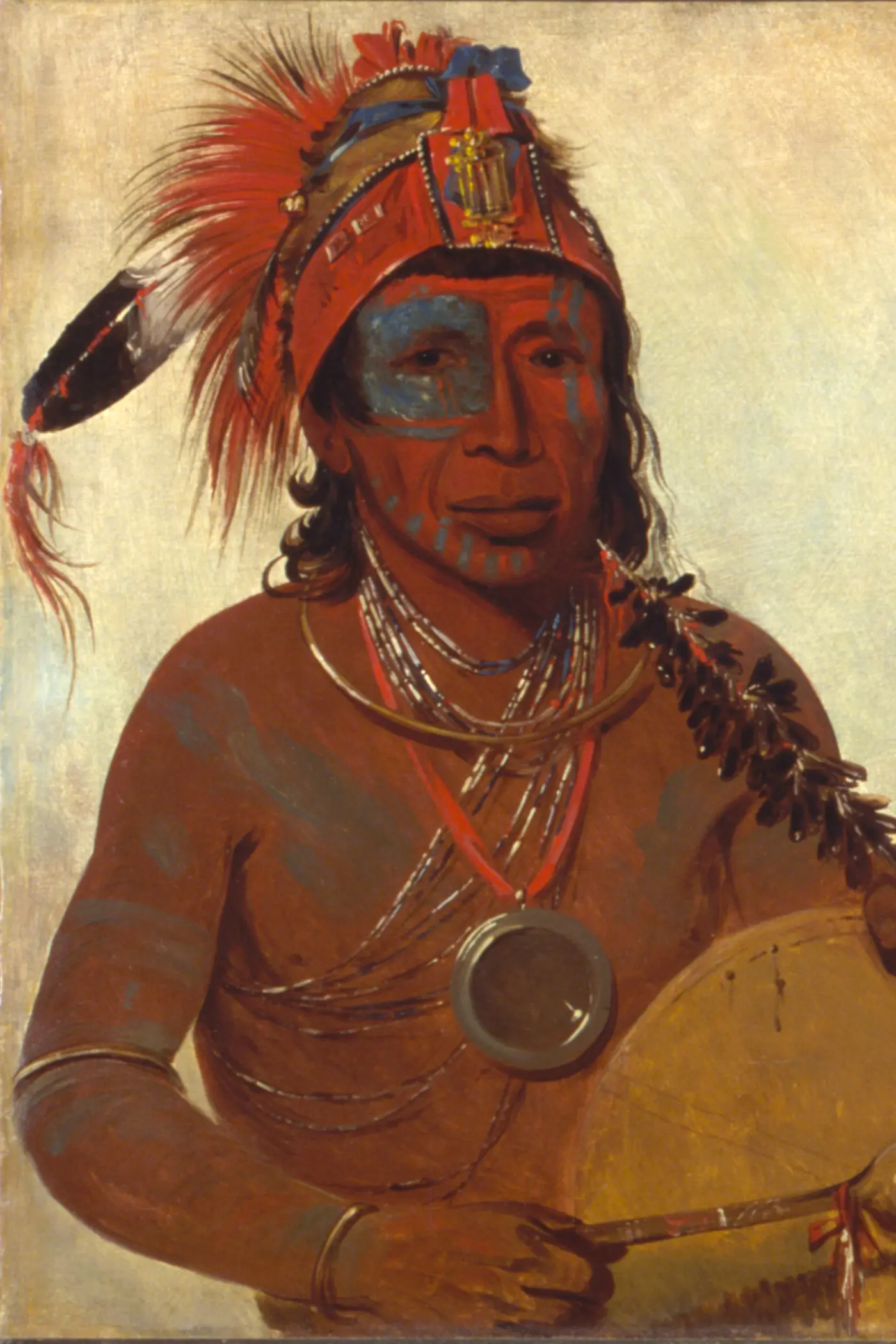
Old Indian Legends
What is Old Indian Legends about?
Old Indian Legends is a collection of traditional Dakota stories retold in English by Zitkála-Šá, a Dakota writer, educator, and cultural advocate. Compiled in the early twentieth century, the book preserves oral narratives passed down through generations and reflects the author’s effort to protect Indigenous traditions during a period of intense cultural suppression. The stories draw from Dakota mythology and center on spirits, heroes, and moral lessons rooted in the natural and spiritual world. Among the most prominent figures is Iktomi, the clever and unpredictable spider trickster, whose shapeshifting antics reveal both wisdom and folly. Through these tales, the collection explores themes of identity, transformation, and the relationship between humans and the unseen world. Blending cultural preservation with literary storytelling, Old Indian Legends offers an important record of Dakota oral tradition and stands as a significant contribution to Native American literature. The book invites readers to engage with myth, history, and worldview through stories shaped by memory, resilience, and voice.
Main themes in Old Indian Legends
Native American oral tradition
In Old Indian Legends, native american oral tradition provides a lens for understanding the story's core message.
Cultural preservation
In Old Indian Legends, cultural preservation provides a lens for understanding the story's core message.
Dakota mythology
The presence of dakota mythology in Old Indian Legends connects readers to its enduring relevance.
Trickster tales
Trickster tales emerges as a defining element in Old Indian Legends, shaping character development.
Why Old Indian Legends is still relevant today
Old Indian Legends preserves traditional Dakota stories that might otherwise have been lost to assimilation policies. Zitkála-Šá (Gertrude Bonnin) transcribed oral traditions from her childhood and tribal elders, making them accessible while preserving their spirit. The collection represents early Native American literary self-determination—an indigenous author controlling her own cultural narrative. Contemporary interest in indigenous literature and cultural preservation recognizes this work's historical and ongoing significance.
More by this author
Frequently Asked Questions
What is Old Indian Legends?
Published in 1901, Old Indian Legends collects traditional Dakota stories Zitkála-Šá heard growing up and gathered from tribal elders. The tales include trickster stories, origin myths, and moral fables, preserving oral traditions threatened by assimilation policies.
Who was Zitkála-Šá?
Zitkála-Šá (1876-1938), born Gertrude Simmons, was a Yankton Dakota writer, musician, and activist. Her Lakota name means 'Red Bird.' She documented Native American experiences, preserved traditional stories, and fought for indigenous rights throughout her life.
Why is this collection significant?
As one of the first Native American women to publish traditional stories in English without non-Native collaboration, Zitkála-Šá established indigenous literary self-representation. Her work preserved threatened oral traditions while making them accessible to wider audiences.
What kinds of stories are included?
The collection includes trickster tales featuring Iktomi (spider), animal stories explaining natural phenomena, and moral tales teaching traditional values. The stories blend entertainment with cultural education, as oral traditions traditionally did.
Can children read Old Indian Legends?
Yes, many stories suit younger readers, though some contain violence or mature themes typical of traditional tales. The collection has been used in schools to introduce Native American literature and culture. Parents may want to preview specific stories.