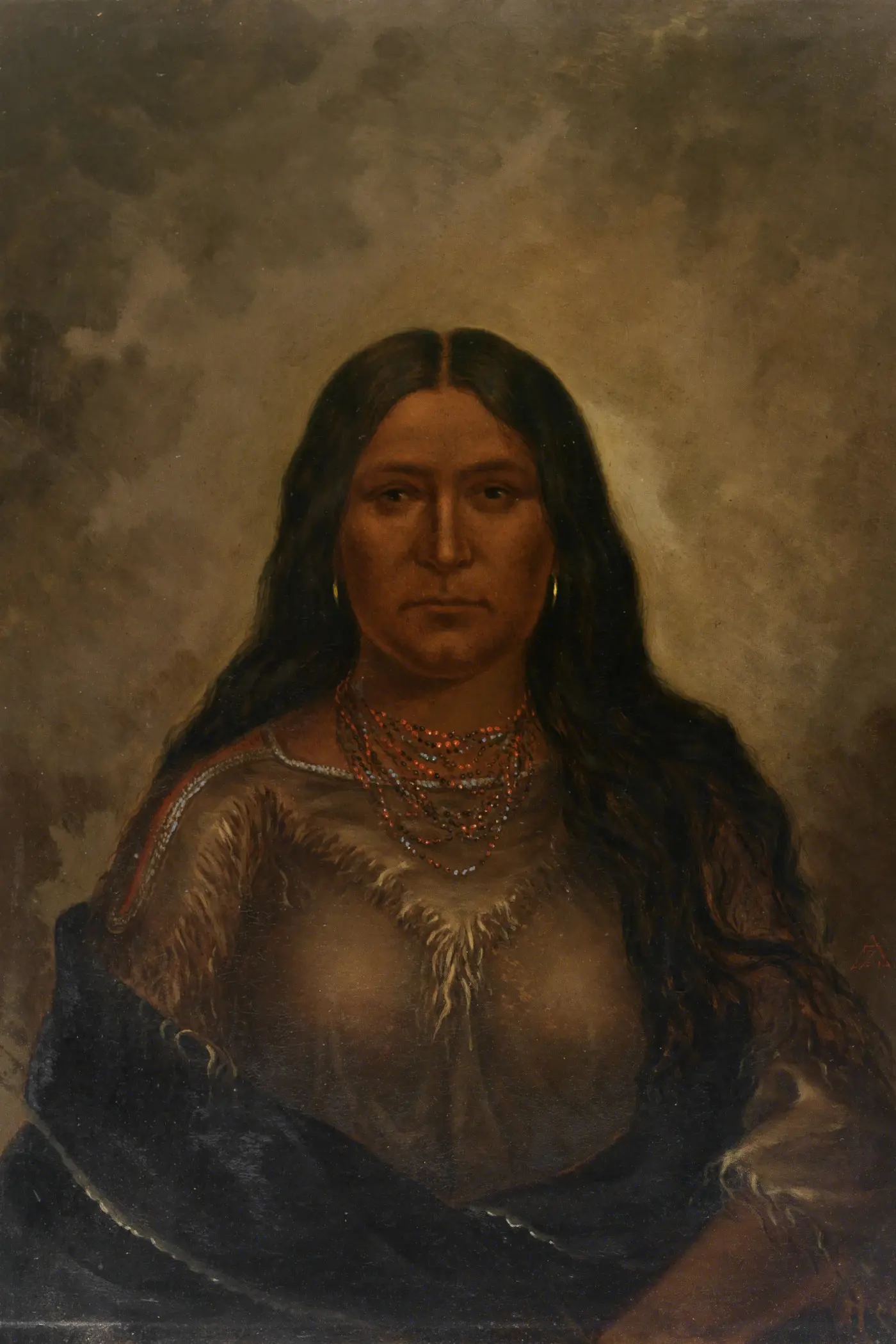
American Indian Stories
What is American Indian Stories about?
American Indian Stories (1921) is a collection of autobiographical narratives and essays by Zitkála-Šá, born Gertrude Simmons Bonnin (1876–1938), a Yankton Dakota Sioux writer, musician, and activist. The collection draws together pieces originally published in The Atlantic Monthly and other periodicals, recounting Zitkála-Šá's childhood on the Yankton Sioux Reservation in South Dakota, her removal to a Quaker missionary boarding school in Indiana, her years as a student and teacher at Carlisle Indian School, and her growing estrangement from both Native and white American societies. The opening section, "Impressions of an Indian Childhood," depicts reservation life with vivid sensory detail before the disruptions of assimilation policy. Subsequent narratives trace the psychological cost of forced Americanization—the cutting of hair, prohibition of Native languages, and erasure of cultural identity. The final section shifts to polemical essays advocating for Native American citizenship and political rights. The work is a foundational text of Native American literature and among the earliest prose memoirs written in English by an Indigenous woman, offering an interior perspective on federal assimilation policies that few contemporaneous accounts provided.
Main themes in American Indian Stories
Cultural assimilation and resistance
In American Indian Stories, cultural assimilation and resistance provides a lens for understanding the story's core message.
Loss of Indigenous identity
The presence of loss of indigenous identity in American Indian Stories connects readers to its enduring relevance.
Childhood and displacement
American Indian Stories thoughtfully explores childhood and displacement through its central conflicts.
Native American political advocacy
American Indian Stories thoughtfully explores native american political advocacy through its central conflicts.
Why American Indian Stories is still relevant today
American Indian Stories remains a reference point in ongoing debates about Indigenous sovereignty, cultural preservation, and the long-term effects of assimilation-era education policies. Zitkála-Šá's account of the boarding school system directly informs current scholarship and public reckoning with institutions such as the Carlisle Indian Industrial School. Her navigation of a double identity—Native and American, traditional and educated—resonates with contemporary discussions of code-switching, cultural loss, and political self-determination. The text is widely assigned in university courses on Native American literature, American history, and postcolonial studies. Readers interested in first-person accounts of systemic cultural erasure, women's political writing of the early twentieth century, or the roots of Indigenous rights movements in the United States will find the collection directly relevant. American Indian Stories is available in full on TextStack.
More by this author
Frequently Asked Questions
What is American Indian Stories about?
American Indian Stories is an autobiographical collection by Zitkála-Šá (Gertrude Simmons Bonnin), a Yankton Dakota Sioux writer. It recounts her childhood on the Yankton Sioux Reservation, her experiences at Quaker missionary and Carlisle Indian boarding schools, and her adult advocacy for Native American rights. The book combines memoir and political essay to document the human cost of U.S. federal assimilation policies in the late nineteenth and early twentieth centuries.
Is American Indian Stories difficult to read?
The prose is clear and accessible. Zitkála-Šá wrote the narratives for a general magazine audience and the language is direct, though emotionally intense in places. Readers unfamiliar with the historical context of U.S. boarding school policy may benefit from brief background reading, but no specialized knowledge is required to follow the text.
How long does it take to read American Indian Stories?
The collection is approximately 35,000 words, which most adult readers complete in three to five hours. On TextStack the book is divided into chapters, so it can be read in shorter sessions with progress saved automatically.
What are the main themes in American Indian Stories?
The central themes include cultural assimilation and resistance to it, the erosion of Indigenous identity through institutional education, the experience of displacement between two cultures, childhood memory, and Native American political self-determination. Zitkála-Šá weaves personal narrative together with implicit and explicit argument throughout the collection.