Émile Zola
Biography
Émile Zola (1840–1902) was a French novelist, journalist, and public intellectual, the leading figure of the literary naturalism movement. Born in Paris, he developed a theory of the "experimental novel," applying scientific methodology to fiction. His twenty-volume Rougon-Macquart cycle (1871–1893) traced heredity and environment across five generations of a family during the Second Empire. Major novels in the series include Germinal, Nana, L’Assommoir, and La Bête humaine. Zola’s unflinching depictions of poverty, labor, alcoholism, and social injustice made him both celebrated and controversial. He is also remembered for "J’accuse...!" (1898), his open letter defending Alfred Dreyfus, which helped expose one of France’s greatest miscarriages of justice.
Common themes in Émile Zola's work
Literary naturalism
A recurring theme throughout Émile Zola's writing.
French literature
A recurring theme throughout Émile Zola's writing.
Social inequality
A recurring theme throughout Émile Zola's writing.
Labor struggles
A recurring theme throughout Émile Zola's writing.
Books
Explore by genre
Other authors you may enjoy
Why Émile Zola is still read today
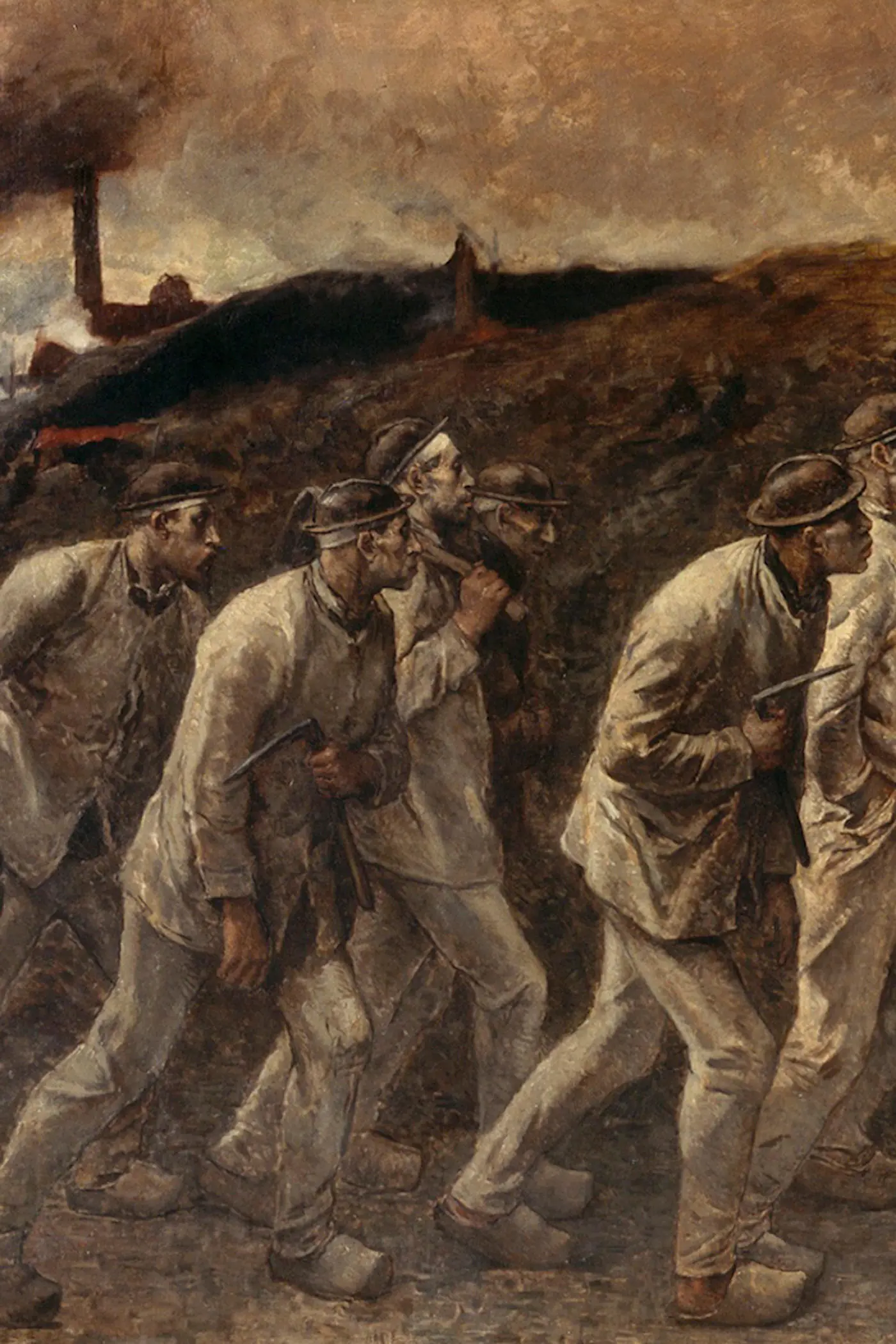
Zola’s naturalist novels remain powerful portrayals of social inequality and working-class life. Germinal is considered one of the greatest novels about labor struggles ever written. His courage in the Dreyfus Affair made him a symbol of intellectual engagement.
Frequently Asked Questions
Who was Émile Zola?
Émile Zola (1840–1902) was the leading French naturalist novelist, known for the Rougon-Macquart cycle and his defense of Dreyfus in “J’accuse.”
What are his major works?
Germinal, Nana, L’Assommoir, and His Masterpiece (L’Œuvre). Several are available free on TextStack.
What is literary naturalism?
A movement Zola pioneered, applying scientific observation to fiction, depicting characters shaped by heredity and environment.
Where can I read Zola free?
TextStack offers Zola novels to read free online.
Essential cookies keep you signed in and save your reading progress. Analytics cookies help us understand how the site is used. You can reject analytics — we still work without them. Learn more in our Privacy Policy.