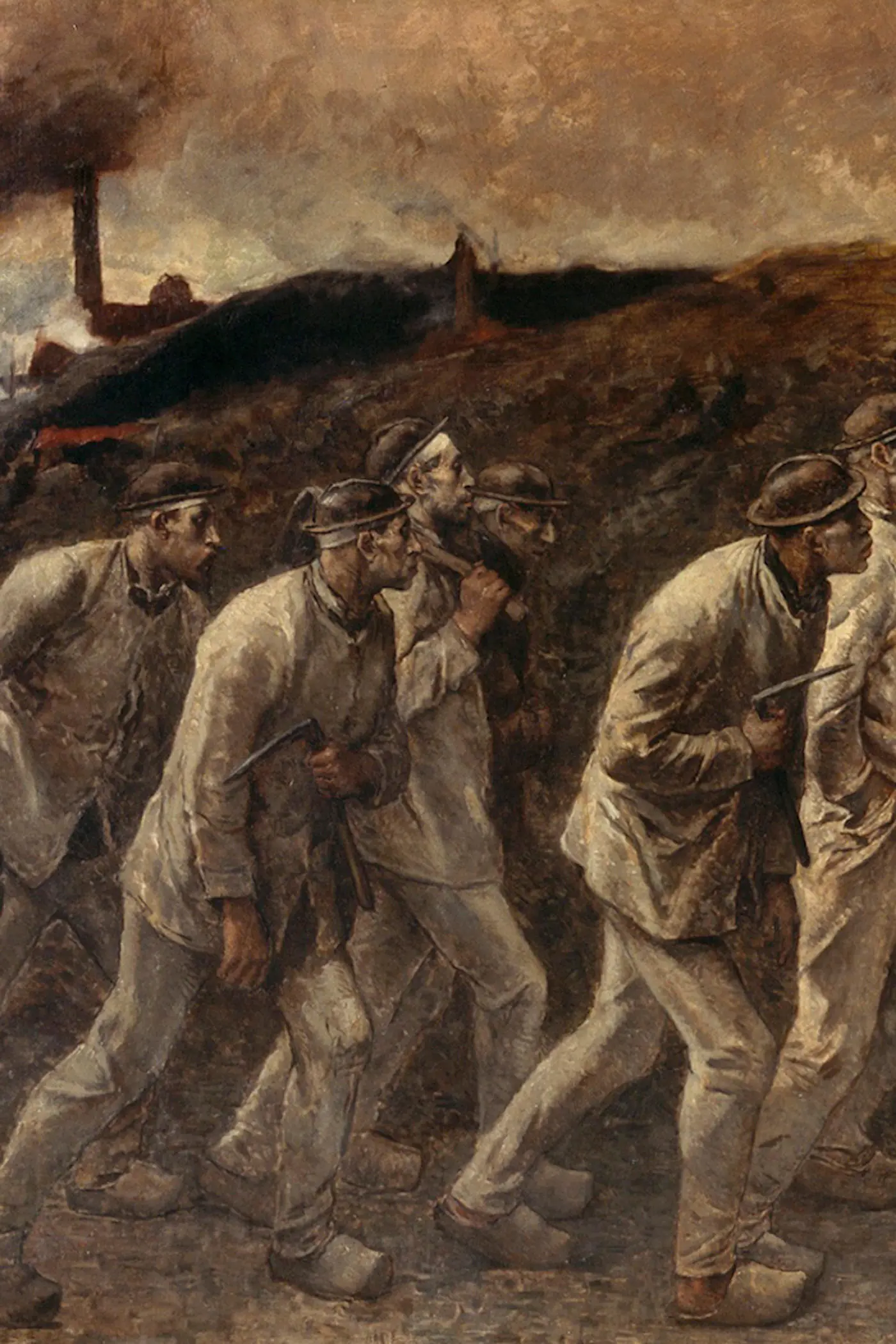
Germinal
What is Germinal about?
Germinal (1885) is Émile Zola’s masterpiece and one of the greatest novels about working-class struggle ever written. Set in the coal mining region of northern France, it follows Étienne Lantier, an unemployed railway worker who arrives in the mining town of Montsou and witnesses the brutal conditions endured by miners and their families. When wages are cut, Étienne organizes a strike that escalates into violence and tragedy. Zola’s unflinching depiction of poverty, exploitation, and the miners’ desperate courage created a landmark of social realism that influenced labor movements worldwide.
Main themes in Germinal
Labor struggle
The theme of labor struggle weaves through Germinal, adding depth to its narrative.
Coal mining
In Germinal, coal mining provides a lens for understanding the story's core message.
Social realism
The presence of social realism in Germinal connects readers to its enduring relevance.
French naturalism
Germinal thoughtfully explores french naturalism through its central conflicts.
Why Germinal is still relevant today
Germinal remains the definitive novel of labor struggle and working-class life, as relevant today as when written. It is required reading in French schools and widely studied internationally.
More by this author
Frequently Asked Questions
What is Germinal about?
An unemployed worker arrives in a French mining town and organizes a strike against brutal conditions, leading to escalating violence and tragedy.
Why is it called Germinal?
Named after the spring month in the French Republican calendar, symbolizing the seeds of revolution and hope for future change even amid defeat.
Is it difficult to read?
The subject matter is intense, but Zola’s narrative drive is powerful. TextStack’s chapter navigation helps manage the substantial length.
Can I read it free?
Yes, the complete novel is available free on TextStack.