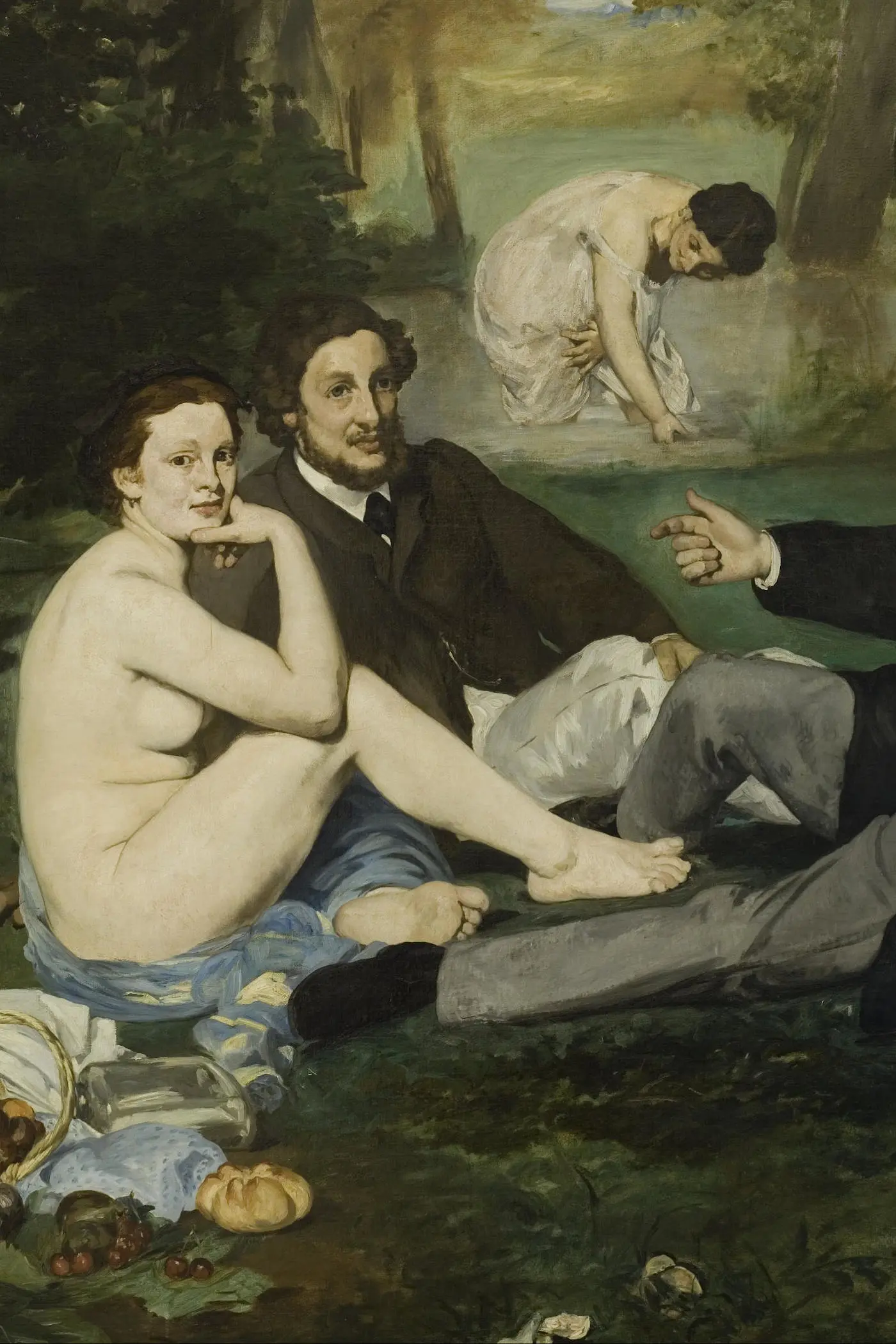
His Masterpiece
What is His Masterpiece about?
His Masterpiece (L’Œuvre, 1886) is Émile Zola’s novel about the Parisian art world, the fourteenth book in the Rougon-Macquart cycle. It follows Claude Lantier, a passionate but tormented Impressionist painter who struggles to create a revolutionary masterwork. As Claude’s obsessive quest for artistic perfection consumes him, his relationships—especially with his devoted wife Christine—deteriorate. The novel draws heavily on Zola’s friendships with Cézanne and the Impressionists, offering an intimate portrait of the Parisian art scene in the 1860s–80s. It is a powerful meditation on artistic ambition, creative failure, and the cost of genius.
Main themes in His Masterpiece
Impressionist art
In His Masterpiece, impressionist art provides a lens for understanding the story's core message.
Artistic obsession
The theme of artistic obsession weaves through His Masterpiece, adding depth to its narrative.
Creative failure
In His Masterpiece, creative failure provides a lens for understanding the story's core message.
Parisian art world
His Masterpiece thoughtfully explores parisian art world through its central conflicts.
Why His Masterpiece is still relevant today
His Masterpiece offers a fascinating insider view of the Impressionist art world. Zola’s exploration of artistic obsession and creative failure resonates with anyone pursuing a creative vocation.
More by this author
Frequently Asked Questions
What is His Masterpiece about?
A tormented Impressionist painter in Paris destroys himself pursuing an impossible artistic vision, based partly on Zola’s friendship with Cézanne.
Is it about real painters?
Claude Lantier is fictional but draws on Cézanne, Manet, and other Impressionists Zola knew personally. The novel damaged his friendship with Cézanne.
Is it part of a series?
It is the fourteenth novel in the Rougon-Macquart cycle but reads well as a standalone.
Can I read it free online?
Yes, the complete novel is available free on TextStack.